

Author: Andrew Rogers

Andrew Rogers
Andrew Rogers is a seasoned journalist and news analyst specializing in global affairs, politics, and finance. With a passion for investigative reporting, he delivers accurate, insightful stories that inform and engage readers worldwide.
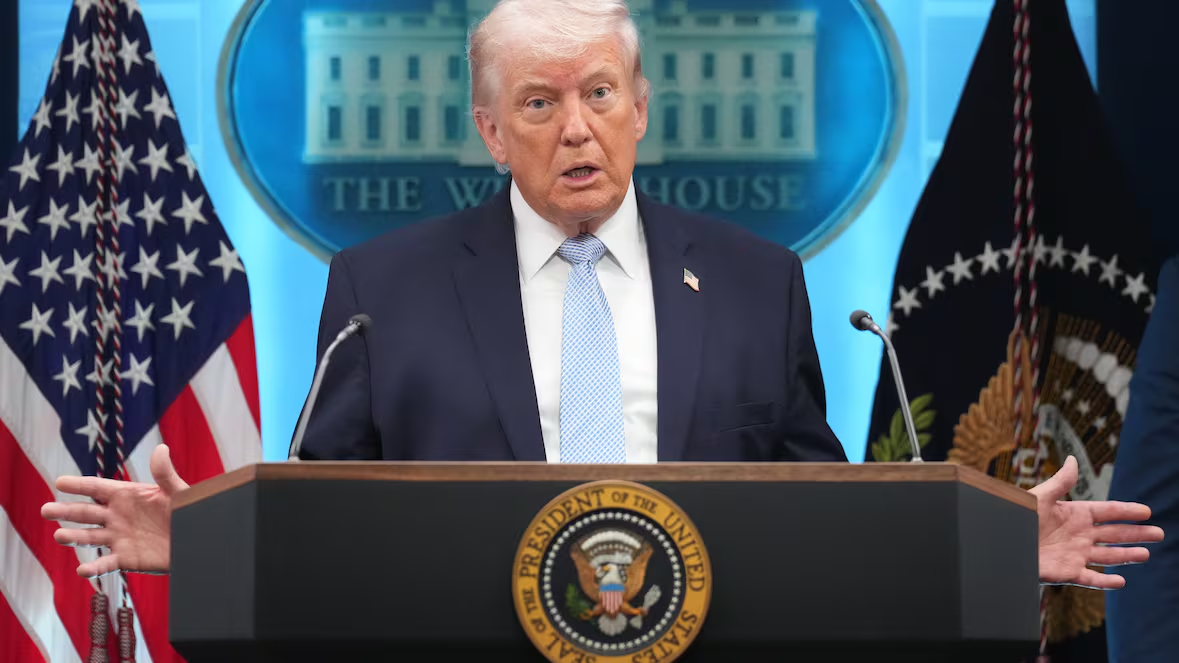
U.S. President Donald Trump has issued a new deadline to Iran to reopen the Strait of Hormuz, escalating tensions in an already volatile region. The revised timeline gives Tehran until Tuesday evening U.S. Eastern Time, extending a previous deadline that had been set for Monday. According to Daljoog News analysis, the repeated deadline shifts and increasingly aggressive rhetoric point to mounting pressure from Washington, but also reflect uncertainty over how far either side is willing to go. The standoff comes as the Strait of Hormuz remains partially blocked, disrupting one of the world’s most critical energy corridors and raising fears…
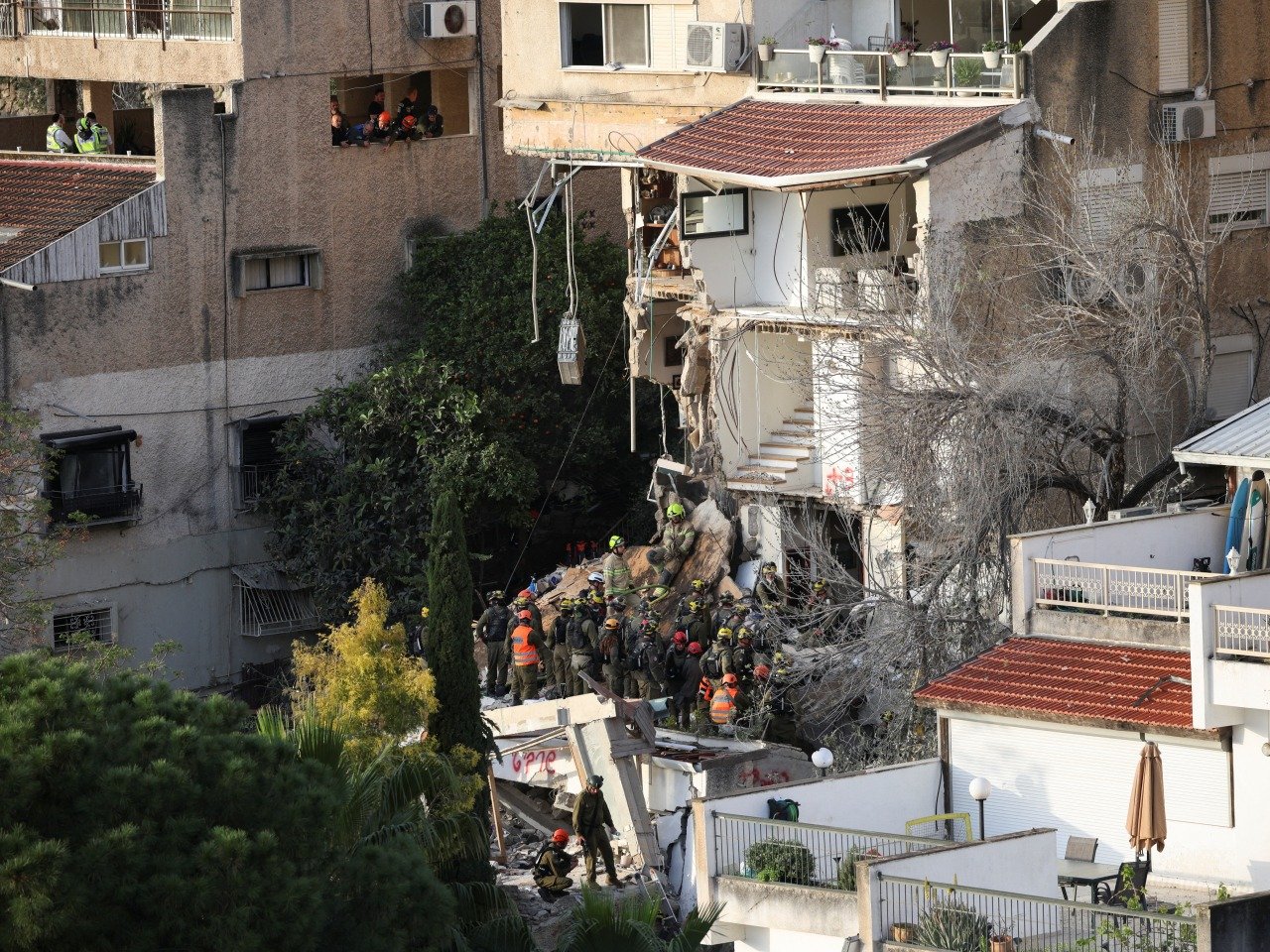
Iranian missile strikes have hit the Israeli port city of Haifa, marking one of the most severe attacks since the current conflict began. The overnight assault targeted key areas, including residential zones, leaving at least two people dead and several others trapped under debris. According to Daljoog News analysis, the scale and location of the attack point to a deliberate escalation, with Haifa’s strategic importance making it a high-value target in the broader confrontation. The strikes come amid intensifying regional instability, as multiple Middle Eastern countries report intercepting missiles and drones linked to the same wave of attacks. What Happened?…
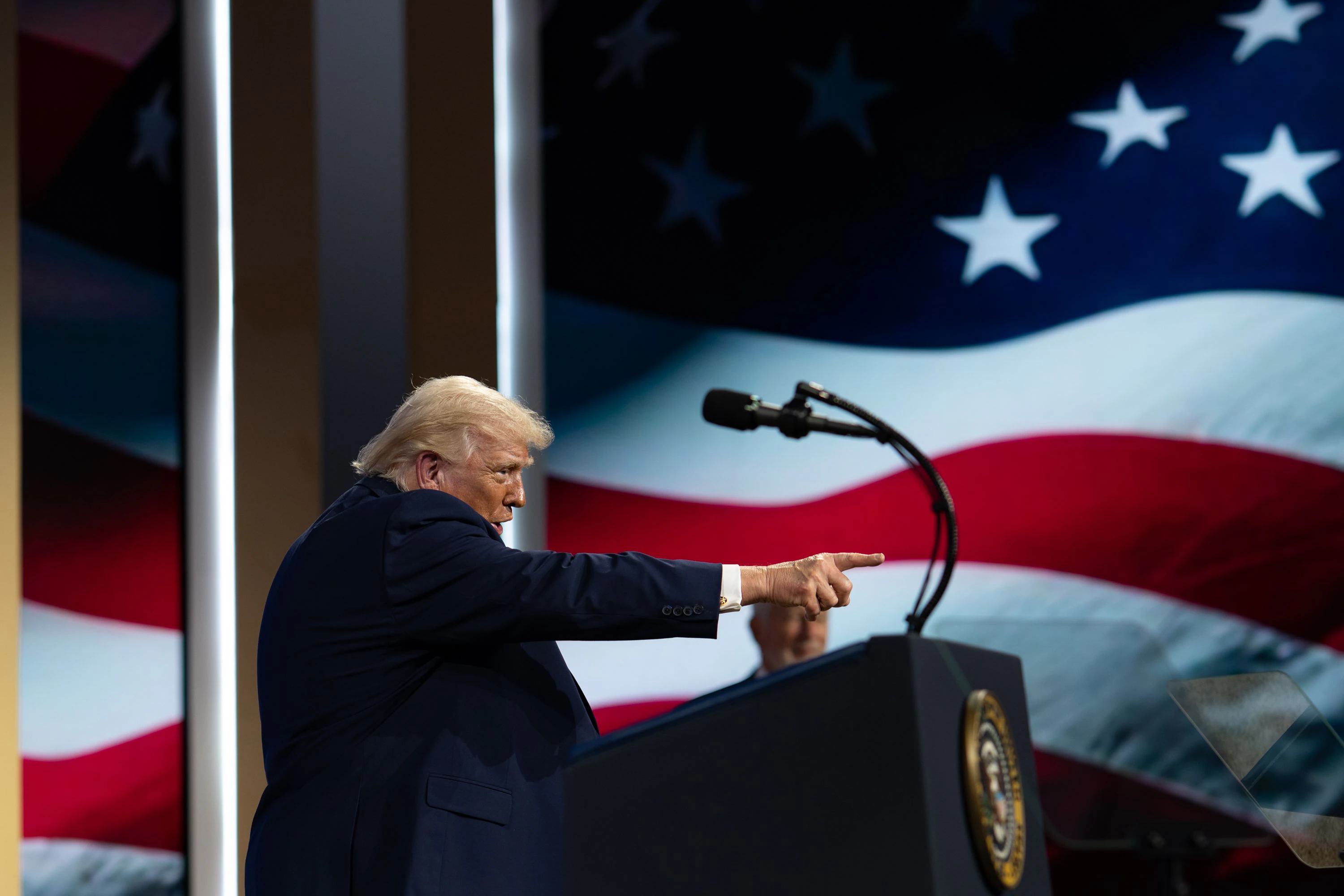
The United States is actively exploring a temporary ceasefire arrangement with Iran, as political pressure builds around continued military engagement in the Middle East. Reports indicate discussions are underway for a potential 45-day pause in hostilities involving regional mediators. According to Daljoog News analysis, the shift toward ceasefire talks reflects growing concern within U.S. political circles over the cost and sustainability of prolonged conflict, particularly as domestic criticism intensifies. The moment is critical. With tensions already straining regional stability, even a temporary halt in fighting could open space for broader negotiations and reduce the risk of further escalation. What Happened?…
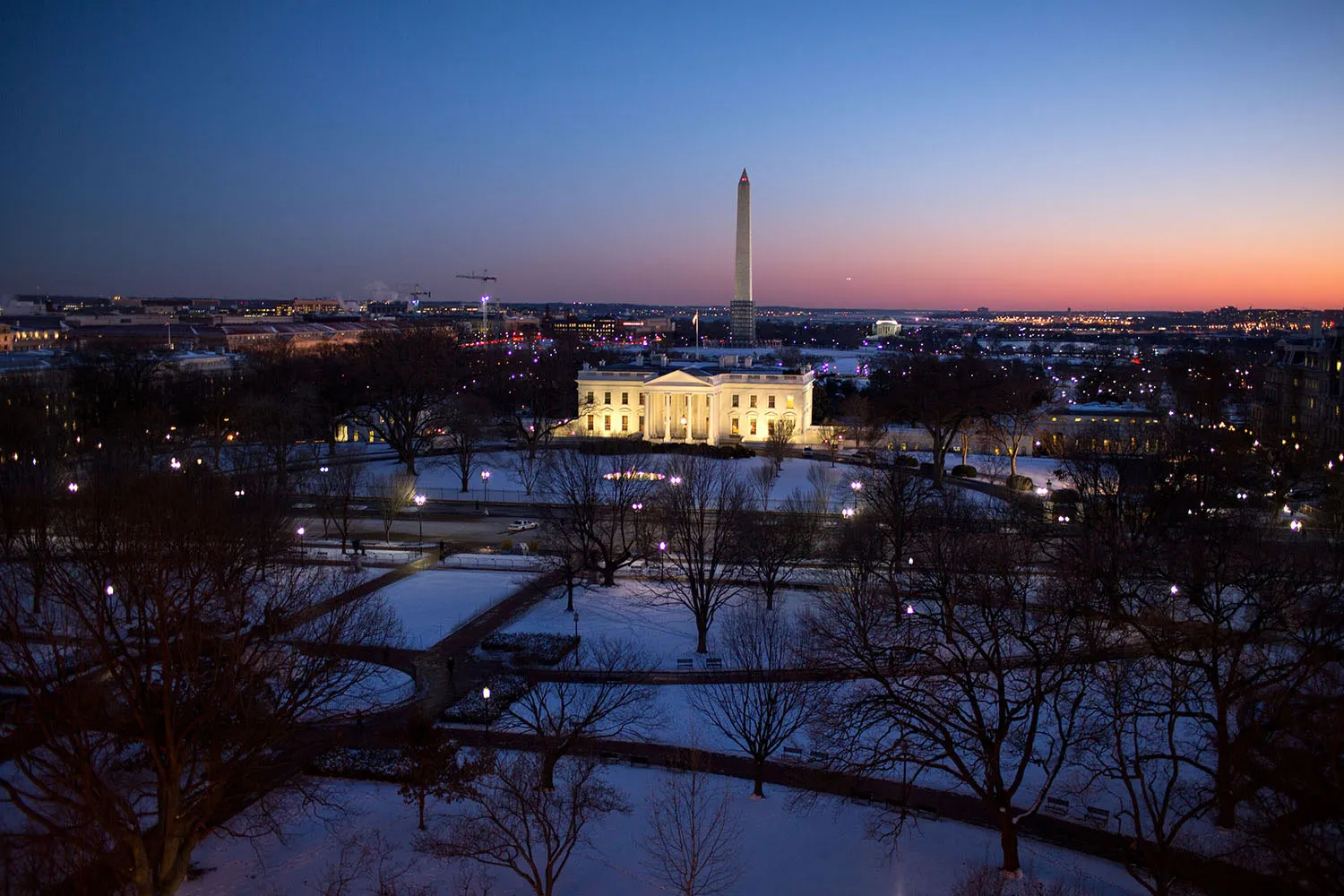
A reported security incident near the White House has triggered widespread speculation online, including unverified claims about former U.S. President Donald Trump’s health. The situation unfolded against a backdrop of heightened geopolitical tension and intense political rhetoric. According to Daljoog News analysis, the rapid spread of conflicting information highlights how quickly misinformation can take hold during sensitive moments, especially when security concerns and high-profile figures intersect. The timing has amplified public attention. With global tensions already elevated, even isolated incidents near key government sites can spark broader fears and confusion across digital platforms. What Happened? Reports emerged of gunfire in…
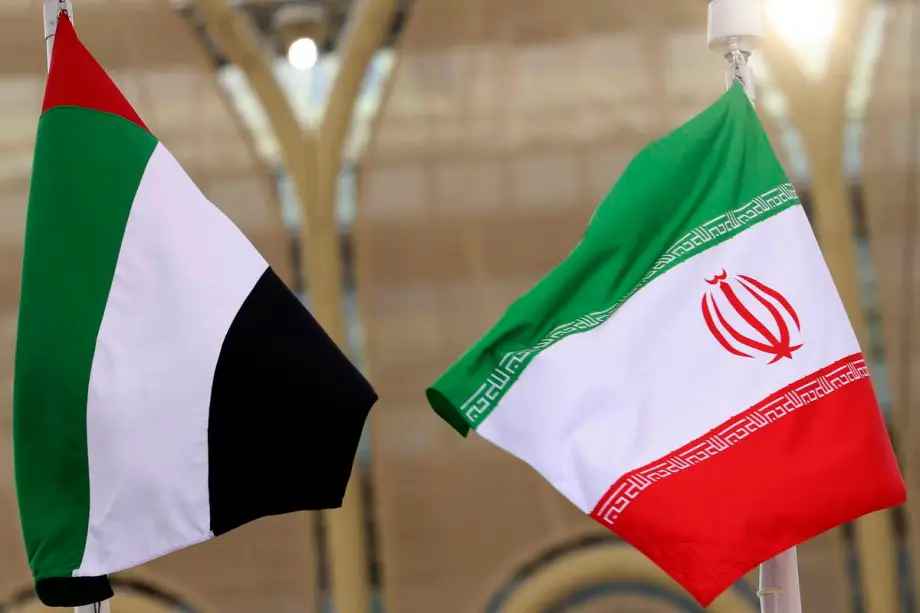
The Middle East is entering a new phase of tension as Iran claims that the United Arab Emirates has entered the battlefield. The region’s already volatile dynamics are becoming increasingly complex with additional actors now involved. According to Daljoog News analysis, the UAE’s alleged engagement signals that the Iran-US-Israel conflict is no longer limited to traditional adversaries. Involving Gulf powers could dramatically raise the stakes, with broader implications for regional security and energy flows. The reported incidents include both airspace and drone confrontations, highlighting the potential for miscalculations that could escalate beyond localized strikes. How Gulf states choose to act…
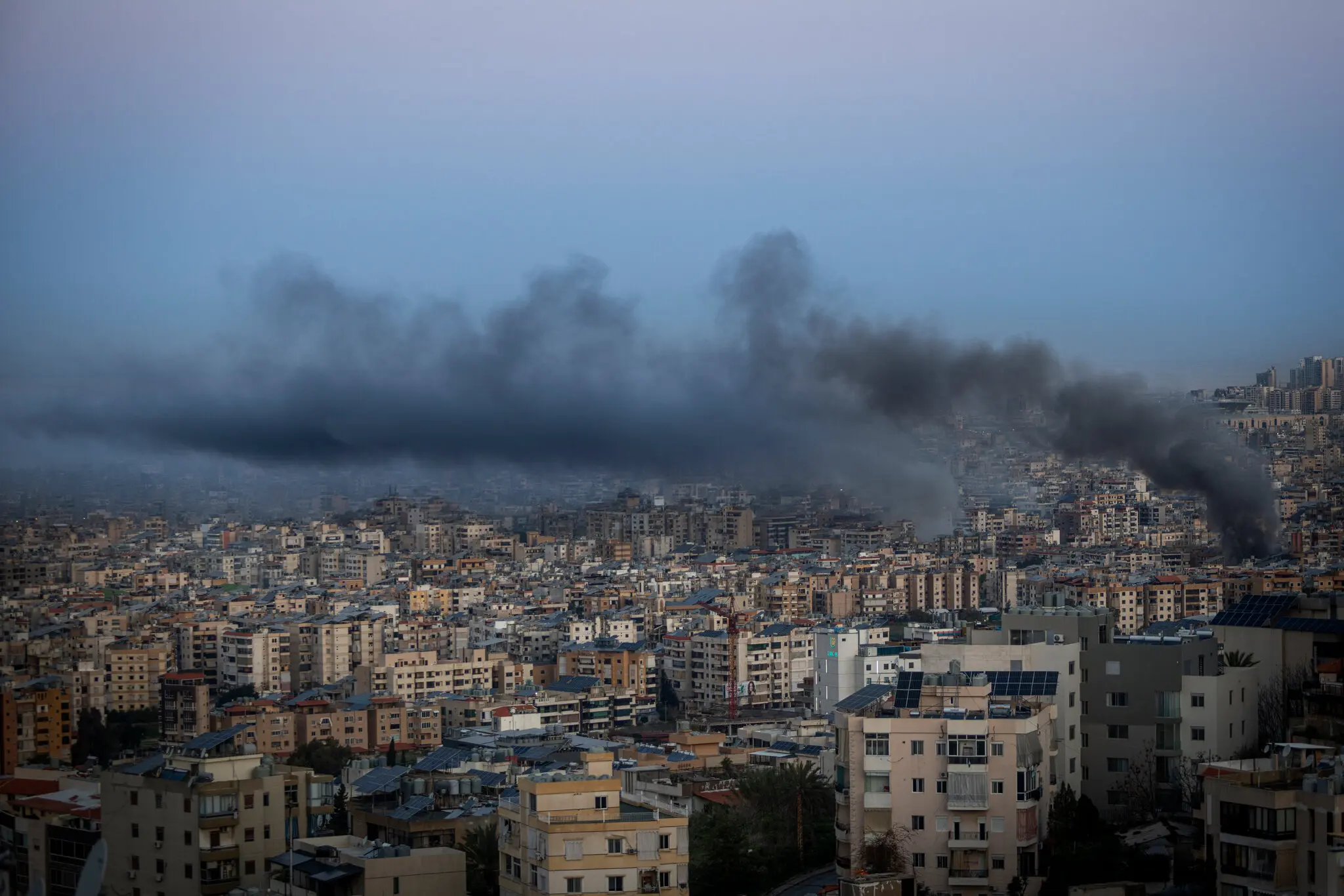
The conflict between Iran, the United States, and Israel has intensified, with attacks targeting Iran’s nuclear, steel, and petrochemical facilities. Iranian forces responded with missile strikes, while a missing U.S. pilot has been safely recovered following a high-risk operation. According to Daljoog News analysis, the escalation signals a new phase in Middle East tensions, where strategic military strikes, diplomatic warnings, and economic measures are overlapping. The situation highlights the fragility of regional security and the potential for rapid escalation. The unfolding crisis also intersects with global energy markets and diplomatic negotiations. India’s resumption of Iranian oil imports and ongoing U.S.…
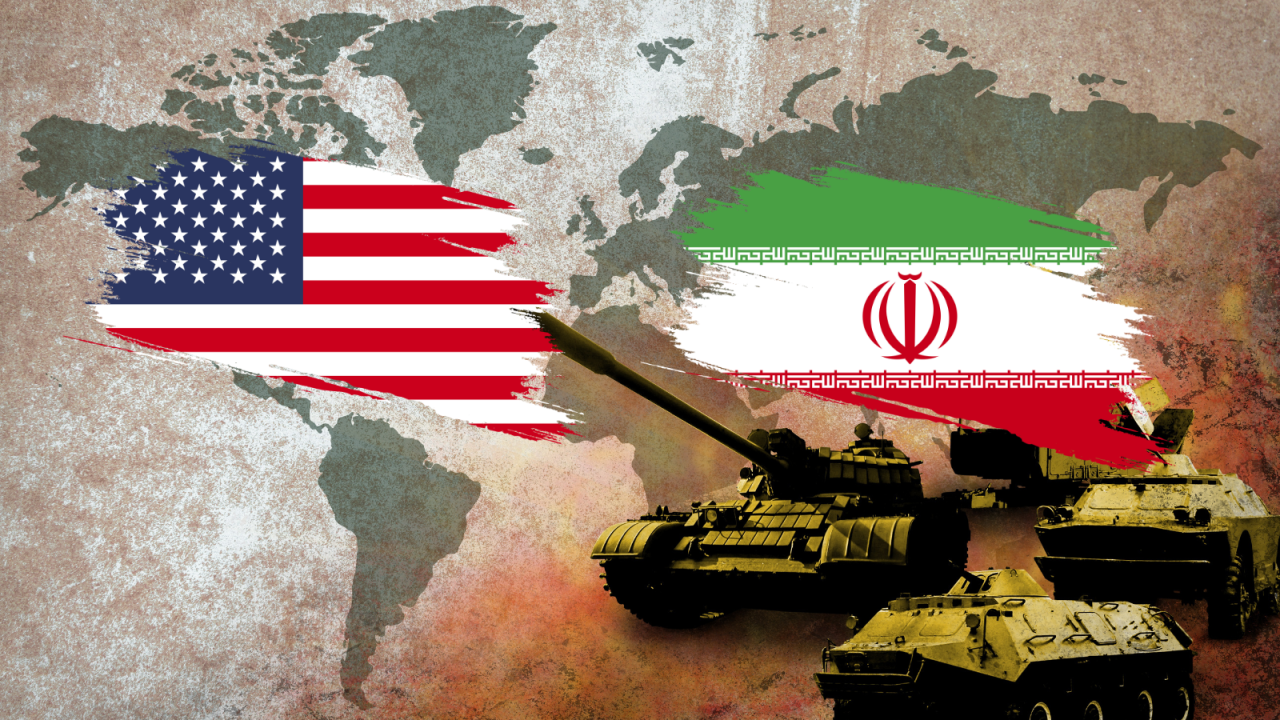
Efforts by the United States and Israel to contain Iran are encountering unanticipated challenges. Iran has successfully rallied allies across Lebanon, Iraq, and Yemen, transforming what was intended as a localized confrontation into a multi-front conflict. According to Daljoog News analysis, the strategy that Washington and Tel Aviv envisioned—a swift, controlled operation to isolate Iran—has backfired. Instead of pressure, the US-Israel coalition now faces sustained resistance and escalating risks, with key trade routes and military theaters under threat. This unfolding situation highlights how regional alliances and proxy networks are reshaping Middle Eastern dynamics. The stakes extend beyond immediate combat, potentially…
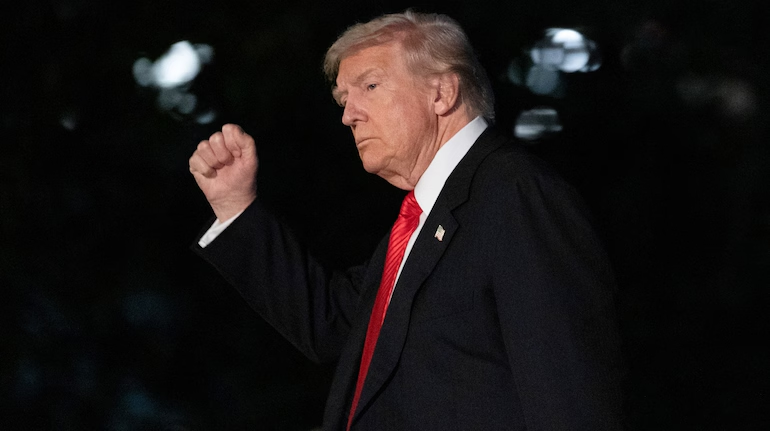
Questions about the future of US leadership are gaining attention as Donald Trump approaches his 80th birthday this June. Trump is serving his second term as the oldest president in American history, prompting speculation about the continuity of leadership. According to Daljoog News analysis, the issue is not merely theoretical. Concerns over age, health, and the intense political pressures of ongoing crises have made succession planning a topic of serious discussion within US political circles. Amid the ongoing conflict with Iran, these concerns are heightened. Trump’s inability to achieve decisive outcomes in a war that has now lasted 37 days…
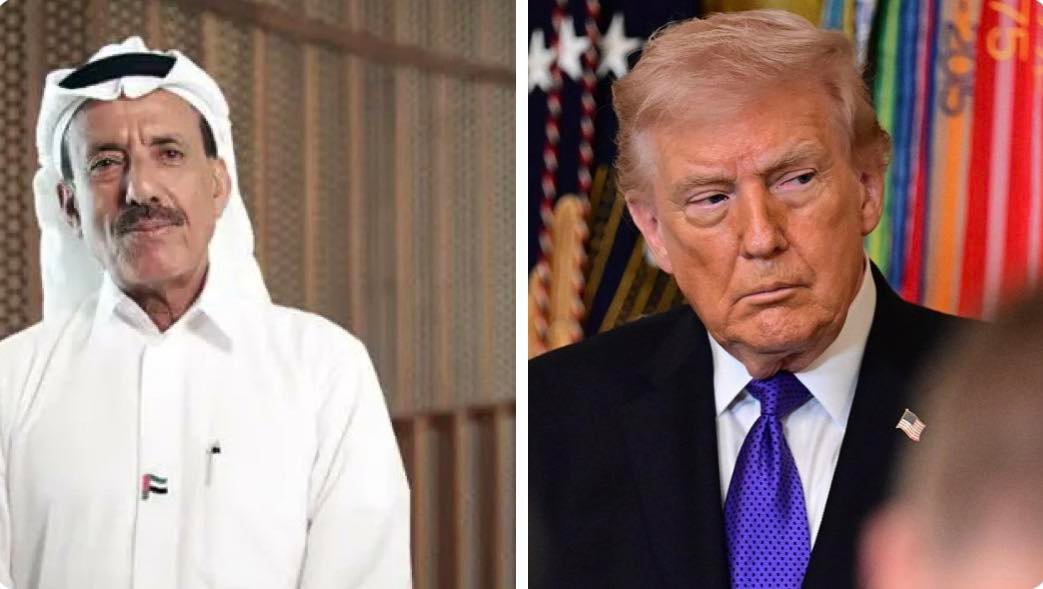
Former UN nuclear watchdog chief Mohamed ElBaradei has sharply criticised Donald Trump over his recent warning directed at Iran, raising fresh alarm about escalating tensions in the Middle East. His remarks come as geopolitical pressure in the region continues to intensify. According to Daljoog News analysis, ElBaradei’s unusually direct language reflects growing unease among senior global figures about the potential consequences of aggressive rhetoric. His intervention signals that concerns are no longer confined to regional actors but are spreading across the international diplomatic community. The exchange follows renewed friction over Iran and the strategic importance of the Strait of Hormuz,…
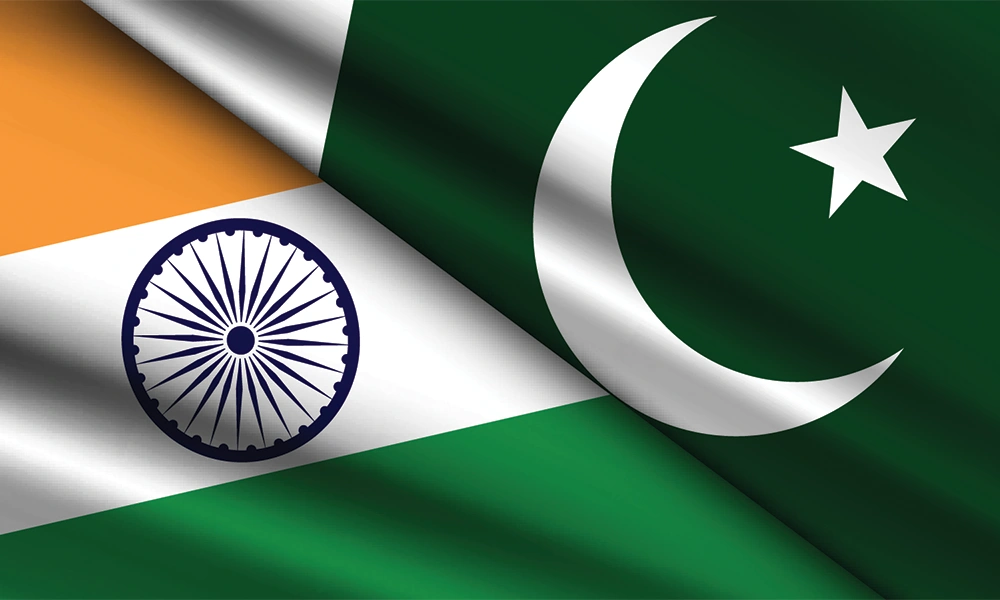
Tensions between India and Pakistan have surged again, with both sides issuing strong warnings that signal a possible escalation. Senior officials from both countries have raised the tone of their rhetoric, increasing concern across South Asia. According to Daljoog News analysis, the latest exchange of threats reflects a deeper pattern of mistrust that continues to shape relations between the two nuclear-armed neighbors. The language used by both sides suggests that even a limited incident could quickly spiral into a broader crisis. The renewed tensions come at a time when global attention is already focused on conflicts in other regions, particularly…