
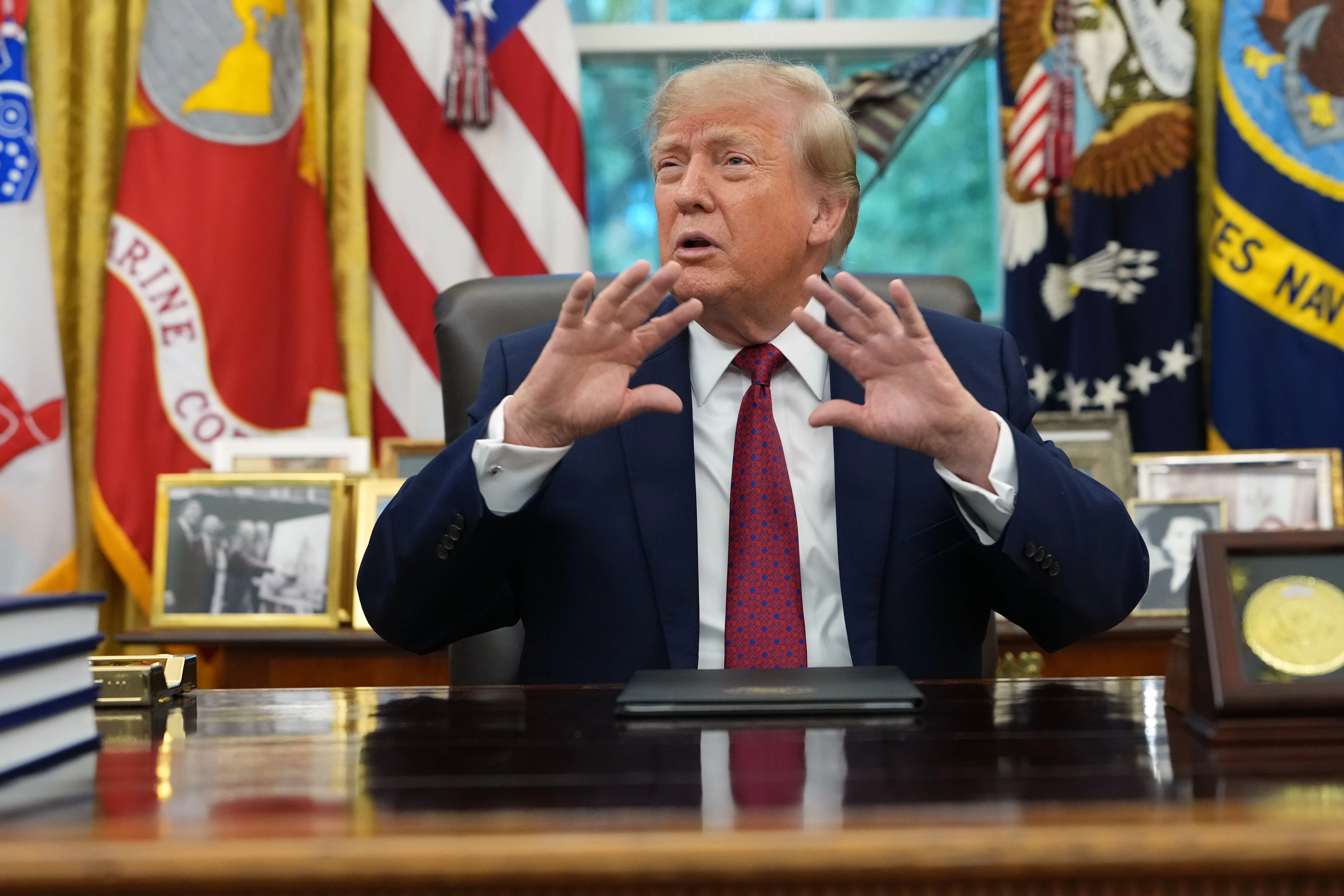
US President Donald Trump has met Russian President Vladimir Putin’s special envoy at the White House as diplomatic efforts over the war in Ukraine continue. Trump said he believed an agreement could be close, but he did not provide details about what had been discussed. The meeting with Kirill Dmitriev followed a separate diplomatic event hosted by First Lady Melania Trump, which brought Russian and Ukrainian representatives together.
Trump told reporters that he expected an agreement involving Ukraine and suggested that it could include wider European issues. He has made similar statements in the past, saying a settlement was possible, although negotiations have faced major obstacles. The latest meeting has renewed attention on whether the United States can help move the two sides towards a broader agreement.
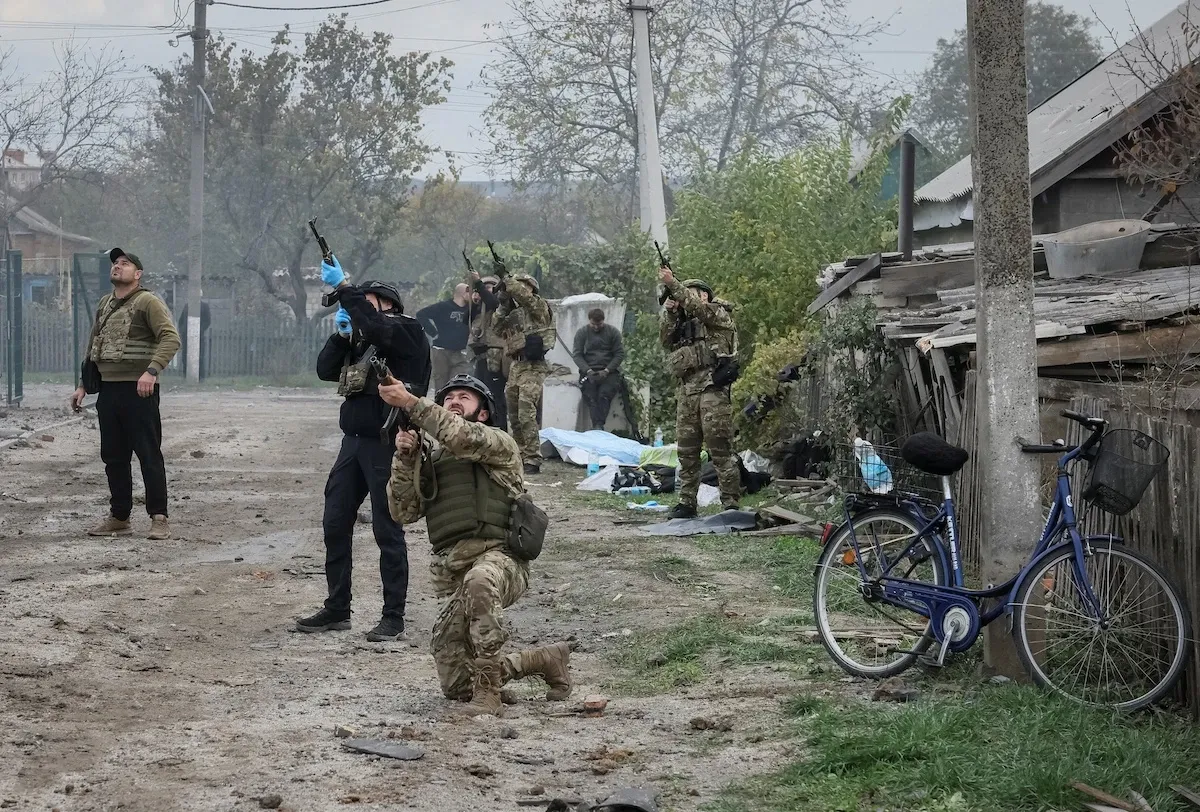
Melania Trump hosted a gathering involving representatives from Russia and Ukraine to discuss a temporary humanitarian truce in the Ukrainian city of Oleshky. The local ceasefire lasted from October 27 to November 1 and allowed nearly 800 civilians to leave the area. It also helped make it possible for food and medical supplies to reach people affected by the conflict.
Officials from both countries attended the event, including Dmitriev and representatives responsible for human rights issues in Ukraine and Russia. Melania Trump said the temporary arrangement could provide an opportunity to build something more lasting. She also gave personal letters to the representatives and asked them to deliver the messages to their respective leaders.
Trump did not attend the gathering hosted by the first lady. He later said he had not met the Ukrainian delegation on Thursday, although the White House described the event as an important diplomatic initiative. The humanitarian truce was a limited agreement and did not amount to a wider ceasefire across the war.
The next challenge will be turning local cooperation into broader political progress. Russia and Ukraine continue to disagree over territory, security arrangements and the future of occupied areas. Any agreement would need to address these issues and gain support from the governments involved.
The latest meetings show that diplomatic contacts are continuing, but they do not confirm that a peace agreement is ready. Further discussions will be needed before the temporary humanitarian steps can lead to a lasting settlement. The international community will be watching whether the contacts produce concrete progress in the weeks ahead.