


Author: Andrew Rogers

Andrew Rogers
Andrew Rogers is a seasoned journalist and news analyst specializing in global affairs, politics, and finance. With a passion for investigative reporting, he delivers accurate, insightful stories that inform and engage readers worldwide.

Jameel Jaffer is a well-known American lawyer and civil rights advocate who has made significant contributions to the protection of free speech and privacy rights. He is recognized for his work in defending individual freedoms in the face of government surveillance and censorship. Jaffer currently serves as the co-founder and executive director of the Knight First Amendment Institute at Columbia University. This institute is dedicated to defending free speech in the digital age, particularly focusing on challenges related to the First Amendment of the United States Constitution. Before joining Columbia University, Jameel Jaffer held important roles at the American Civil…

The United States government is the federal system that governs the United States of America. It is structured as a constitutional republic, meaning its authority is based on the U.S. Constitution and it operates through elected representatives. The government is divided into three branches to ensure a balance of power and to prevent any one branch from becoming too powerful. These branches are the legislative, executive, and judicial branches. The legislative branch, known as Congress, consists of two chambers: the House of Representatives and the Senate. Members of the House represent districts based on population, while Senators represent each state…

Olabisi Onabanjo was a significant figure in Nigerian politics whose legacy continues to influence the country, especially in Ogun State. Born in 1927, he grew to become a respected leader and played a key role in shaping the development of Ogun State during his time as governor. His contributions to education, infrastructure, and social welfare have left a lasting impact, which is reflected in the naming of Olabisi Onabanjo University in his honor. As governor of Ogun State from 1979 to 1983, Olabisi Onabanjo led during the Nigerian Second Republic, a period marked by efforts to strengthen democratic governance after…

Olabisi Onabanjo University is a prominent public university located in Ogun State, in the southwestern region of Nigeria. Established in 1982 under the name Ogun State University, the institution was renamed in 2001 to honor Chief Olabisi Onabanjo, a former governor of Ogun State who played a crucial role in the development of the state. Since its founding, Olabisi Onabanjo University has grown significantly and become one of Nigeria’s well-known higher education institutions. The university’s main campus is in Ago-Iwoye, Ogun State, and it operates additional campuses to serve its growing student population. It offers a wide range of undergraduate…
Piers Forster is a distinguished climate scientist who has become a key figure in the study of global warming and its effects on the planet. He serves as the director of the Priestley Centre for Climate Futures at the University of Leeds in the United Kingdom. Throughout his career, Forster has focused on understanding how human actions, especially the release of greenhouse gases, influence Earth’s climate system. Forster’s work revolves around the critical issue of carbon dioxide and other greenhouse gases that trap heat in the atmosphere, causing global temperatures to rise. His research has contributed significantly to the scientific…

Sea-level rise is one of the most serious effects of climate change, posing a growing threat to millions of people who live near coastlines. This phenomenon refers to the steady increase in the average height of the world’s oceans, caused mainly by warming temperatures and melting ice. As the planet heats up, oceans expand and ice sheets shrink, pushing water levels higher. The result is more frequent flooding, coastal erosion, and damage to homes and infrastructure in vulnerable areas. One of the main causes of sea-level rise is thermal expansion. When ocean water warms, it expands and takes up more…
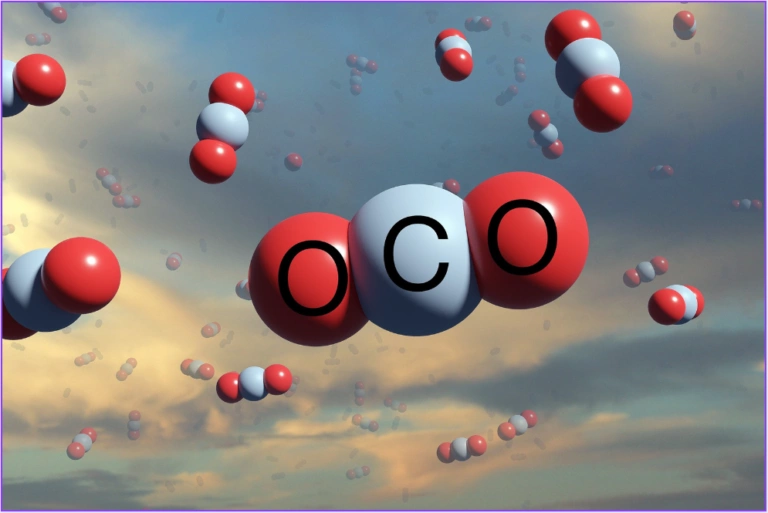
Carbon dioxide emissions are a major cause of the current climate crisis facing the planet. This gas, known scientifically as CO2, is released into the atmosphere through both natural processes and human activities. While carbon dioxide is naturally present in the air and essential for life, the rapid increase in its levels due to human actions has intensified the greenhouse effect, leading to global warming and significant changes in Earth’s climate. The primary source of carbon dioxide emissions comes from burning fossil fuels such as coal, oil, and natural gas. These fuels power electricity generation, transportation including cars and airplanes,…
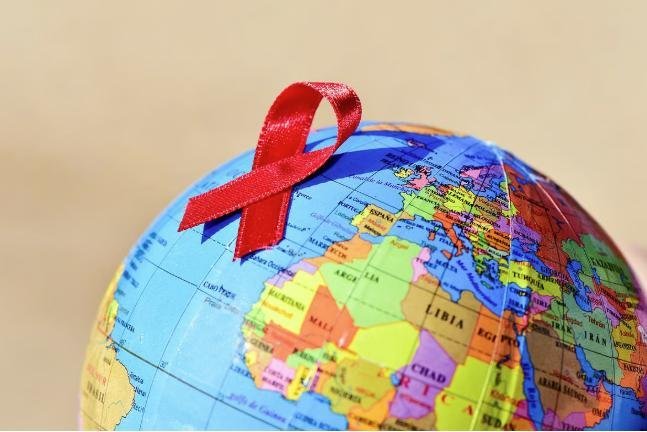
Foreign aid for HIV prevention continues to be one of the most vital tools in the global fight against HIV and AIDS. This support, often from high-income countries, provides financial, medical, and strategic assistance to help lower-income nations prevent the spread of HIV. The aid is used to improve healthcare systems, increase access to life-saving drugs, promote public education, and reduce the stigma around HIV. One of the largest contributors to this global effort is the United States through its program called the President’s Emergency Plan for AIDS Relief, or PEPFAR. Launched in 2003, PEPFAR has spent over $110 billion…
HIV transmission refers to the ways in which the Human Immunodeficiency Virus (HIV) is spread from one person to another. HIV is a virus that weakens the immune system by attacking cells that help the body fight infections. Without treatment, HIV can lead to AIDS, a serious condition that leaves the body vulnerable to life-threatening illnesses. Understanding how HIV spreads and how it does not can help prevent new infections and reduce fear and stigma. HIV is transmitted through certain body fluids from a person who has the virus. These fluids include blood, semen, pre-seminal fluid, vaginal fluids, rectal fluids,…

The world has entered a new era in the fight against HIV with the approval of a groundbreaking drug that provides protection through just two injections a year. This new method, known as twice-yearly HIV prevention, promises to simplify protection for millions at risk and may significantly reduce new infections. At the center of this innovation is a drug called lenacapavir, developed by Gilead Sciences. Approved by the U.S. Food and Drug Administration in 2024, it is the world’s first and only twice-yearly injection for preventing HIV. This injectable treatment marks a major advance over traditional prevention methods, which often…