

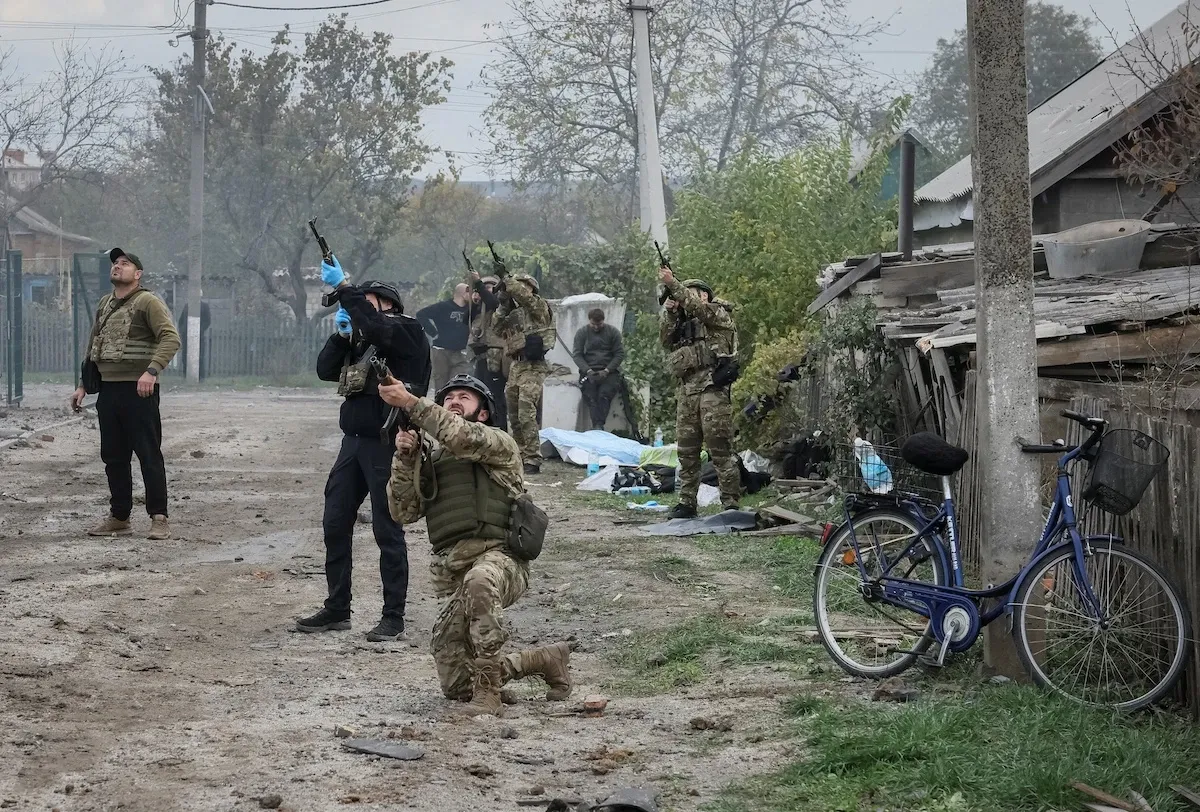
The United States plans to bring Ukrainian and Russian delegations together in Abu Dhabi on November 10 and 11 for another attempt to make progress towards ending the war in Ukraine. US envoy Steve Witkoff said the discussions would focus on ending the conflict, reducing military tensions and establishing security arrangements for the period after the fighting stops. The proposed meeting is part of Washington’s continuing diplomatic efforts to find a way forward in a war that has lasted for years and caused widespread destruction, displacement and loss of life.
The announcement comes as US negotiators seek a breakthrough before the arrival of winter. The colder months can make conditions more difficult for civilians and military forces, while damage to energy facilities and other infrastructure can increase pressure on communities. Diplomats are therefore facing renewed calls to find practical steps that could reduce the human cost of the conflict. The planned meeting is expected to include discussions about humanitarian measures, de-escalation and the future security arrangements needed if a broader agreement becomes possible.
Witkoff said the Abu Dhabi talks would cover several areas, including post-war security agreements, humanitarian issues and steps towards ending the war. These subjects are closely connected because Ukraine wants guarantees that a future settlement would prevent another major attack, while Russia has its own demands regarding security and territory. The United States is attempting to bring the two sides into a structured discussion, but the differences between their positions remain significant. A meeting alone does not guarantee progress, and negotiators will need to determine whether there is enough common ground to move towards a lasting arrangement.
The last US-mediated peace talks took place in February, before the United States and Israel launched a war against Iran. The wider conflict in the Middle East has since changed the diplomatic environment and placed additional demands on American foreign policy. Washington has been dealing with security and energy issues connected to the Iran war while continuing to seek a resolution to the conflict in Ukraine. The planned Abu Dhabi meeting would represent a renewed effort to bring the Ukrainian and Russian sides into direct discussions with American involvement.
The choice of Abu Dhabi provides a location outside the main areas of conflict and offers a setting where delegations can meet under diplomatic arrangements. The United Arab Emirates has maintained relations with several international actors and has previously hosted discussions involving countries with difficult political relationships. Holding the talks in the Gulf also reflects the region’s growing role in international diplomacy. However, the location alone cannot resolve the disagreements that have prevented earlier negotiations from producing a lasting settlement.
A key challenge will be agreeing on the relationship between a ceasefire and long-term security guarantees. Ukraine has repeatedly stressed the need for protection against future aggression, while Russia has demanded changes to the security and political arrangements around the conflict. Humanitarian issues are also likely to be important, including the treatment of civilians, access to affected areas and arrangements for people displaced by the war. Negotiators may explore practical steps that could reduce immediate risks even if a comprehensive agreement remains out of reach.
The United States is also expected to coordinate with European partners as the diplomatic process develops. European governments have a direct interest in the outcome because the war has affected regional security, defence planning, energy markets and relations with Russia. Any future settlement would likely require discussions about monitoring, enforcement and the role of international partners. These issues are difficult because both sides need confidence that any commitments will be respected after an agreement is signed.
The November 10 and 11 meeting will be an important test of whether the latest diplomatic effort can produce meaningful progress. The announcement does not mean that a ceasefire or peace agreement has already been reached. Instead, it creates an opportunity for the parties to discuss the main obstacles and identify possible areas of compromise. For Ukraine, Russia and the wider international community, the central challenge remains finding a settlement that can reduce violence while addressing the security concerns that have kept the conflict going. The talks will be closely watched for signs that diplomacy can move beyond repeated statements and begin producing practical results.