


Author: Andrew Rogers

Andrew Rogers
Andrew Rogers is a seasoned journalist and news analyst specializing in global affairs, politics, and finance. With a passion for investigative reporting, he delivers accurate, insightful stories that inform and engage readers worldwide.
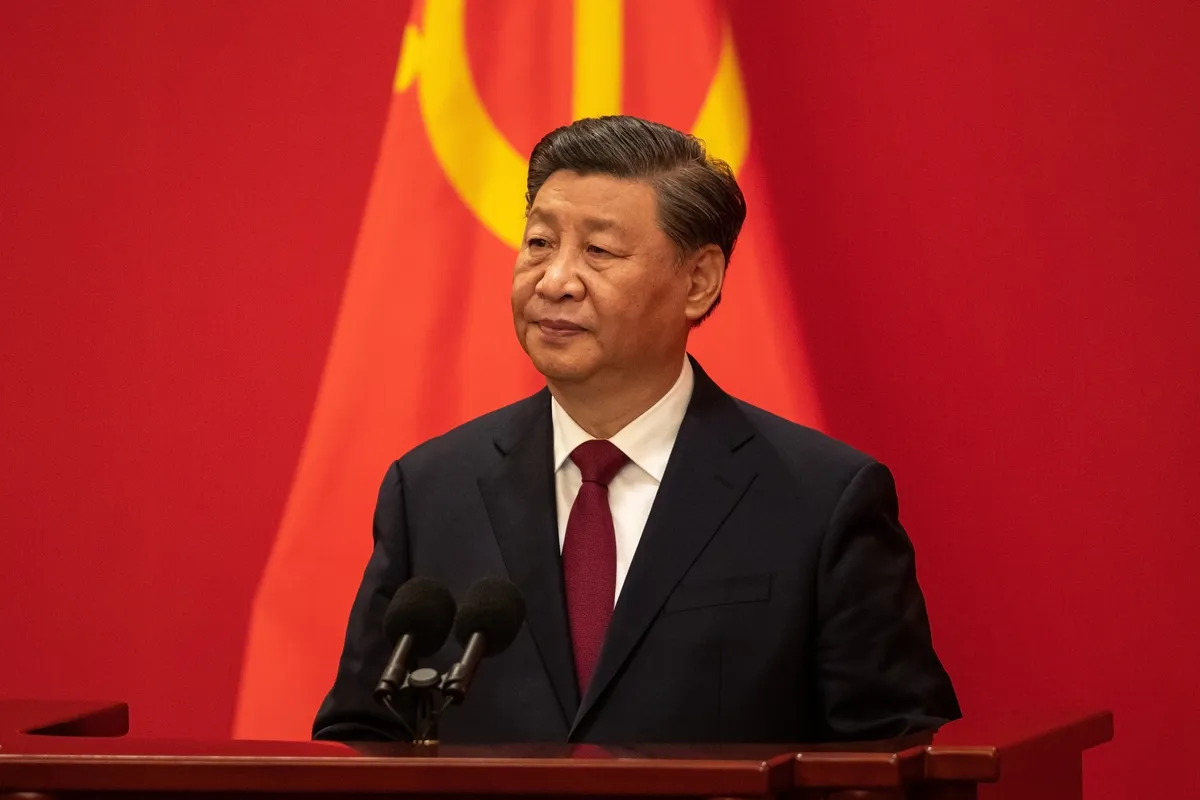
Xi Jinping is the central figure in modern Chinese politics, holding the highest leadership positions in the country. As the General Secretary of the Communist Party of China since 2012, President of the People’s Republic of China since 2013, and Chairman of the Central Military Commission, Xi Jinping wields significant influence over the nation’s government, military, and party affairs. His leadership marks a shift toward stronger centralized power and an assertive role for China on the global stage. Born on June 15, 1953, in Beijing, Xi Jinping is the son of Xi Zhongxun, a prominent revolutionary veteran and former Vice…
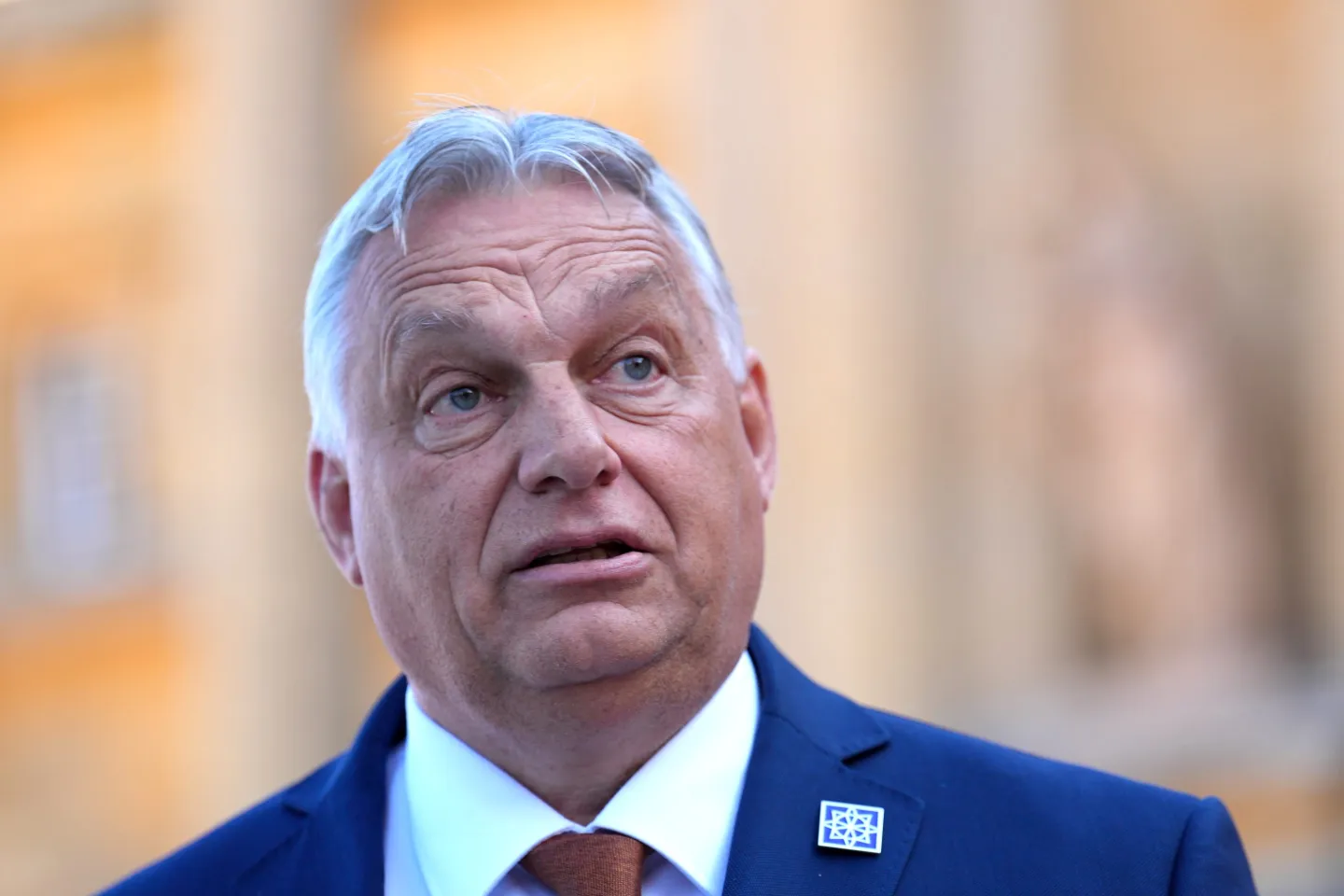
Viktor Orbán has been a central figure in Hungarian politics for over two decades. Born on May 31, 1963, Orbán first rose to prominence in the late 1980s as a student activist opposing communist rule. He helped found the Fidesz – Hungarian Civic Alliance party in 1988, which started as a liberal youth movement but shifted to a conservative nationalist platform over time. Orbán studied law at Eötvös Loránd University in Budapest, and his early political activism set the stage for a career marked by strong rhetoric and decisive leadership. Orbán first became Hungary’s Prime Minister in 1998, at just…

Mike Huckabee is a well-known figure in American politics, recognized for his work as a politician, Christian minister, author, and political commentator. Born on August 24, 1955, in Hope, Arkansas, Huckabee has been an influential voice in the Republican Party and conservative circles for several decades. His career has spanned various roles, from serving in elected office to running for president and becoming a media personality. Huckabee began his political career in Arkansas, where he served as the Lieutenant Governor from 1993 until 1996. When Governor Jim Guy Tucker resigned amid scandal, Huckabee stepped up and became the 44th Governor…
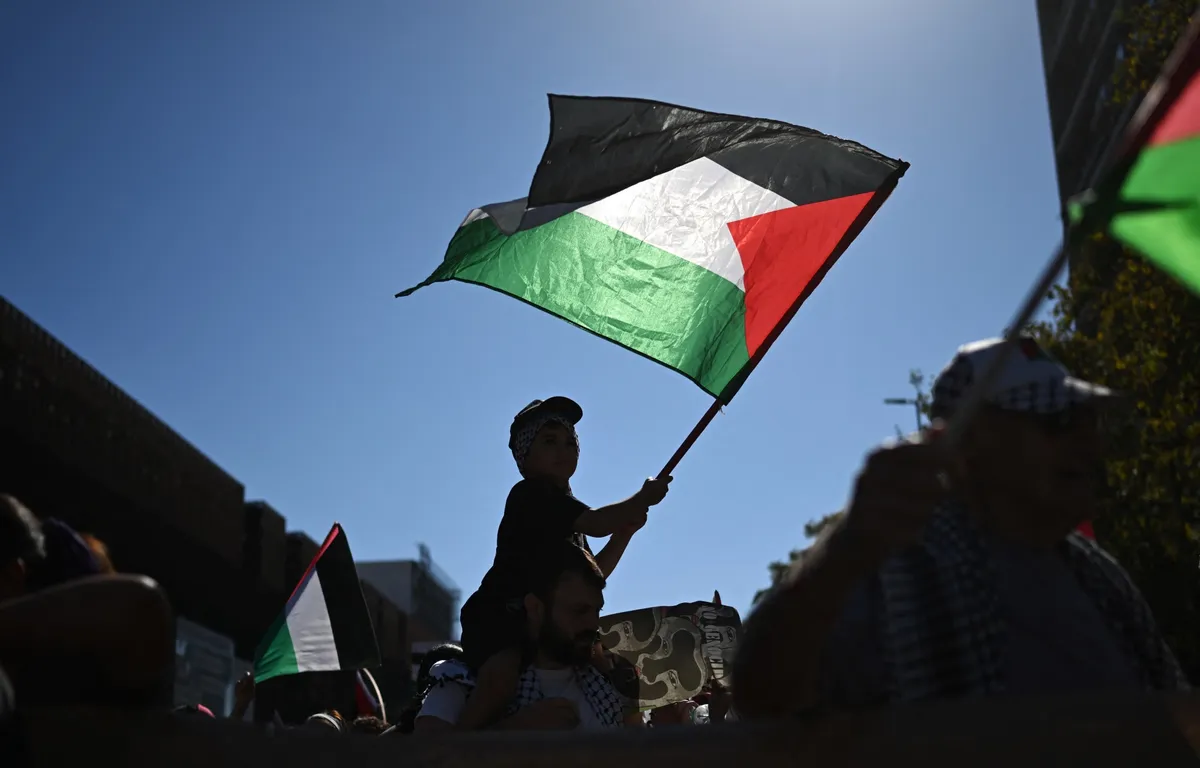
Palestinian statehood continues to be a central and highly sensitive issue in international politics, decades after the idea of a Palestinian nation first entered global discussions. The demand for an independent state for the Palestinian people, primarily in the West Bank, Gaza Strip, and East Jerusalem, remains unresolved due to a mix of political, historical, and territorial challenges. The idea of Palestinian statehood has its roots in the early 20th century, when Palestine was under British control following World War I. In 1947, the United Nations proposed a plan to divide the land into two states—one for Jews and one…
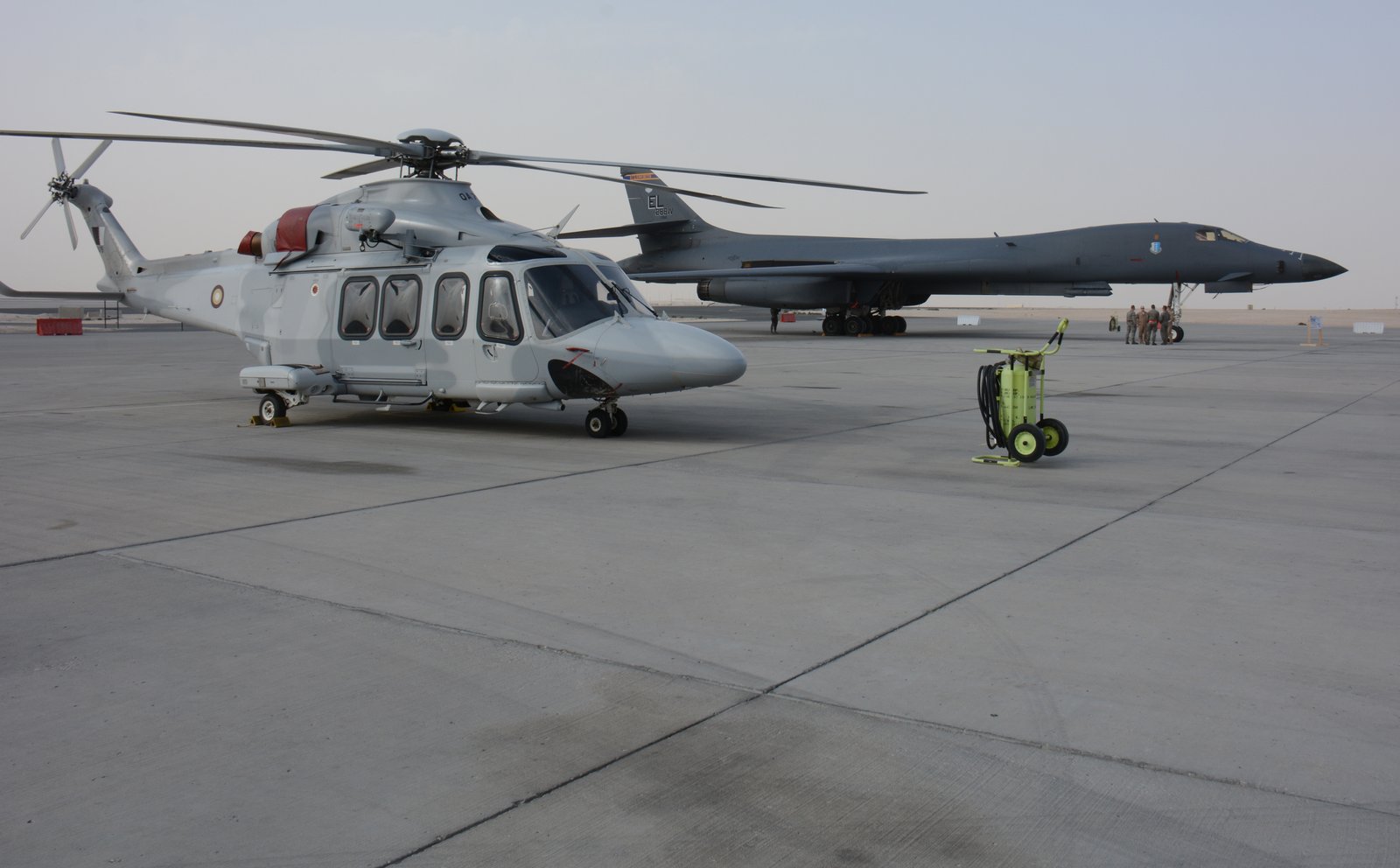
Al Udeid Air Base, located about 30 kilometers southwest of Doha, Qatar, is one of the most important U.S. military installations in the Middle East. With a presence of more than 10,000 U.S. personnel, it acts as a critical hub for air operations and strategic command missions across the region. The base supports missions in areas such as Iraq, Syria, Afghanistan, and beyond, making it a cornerstone of U.S. Central Command (CENTCOM) operations. Built in the 1990s by the Qatari government, Al Udeid Air Base was initially designed to bolster regional defense and security partnerships. Since the early 2000s, it…
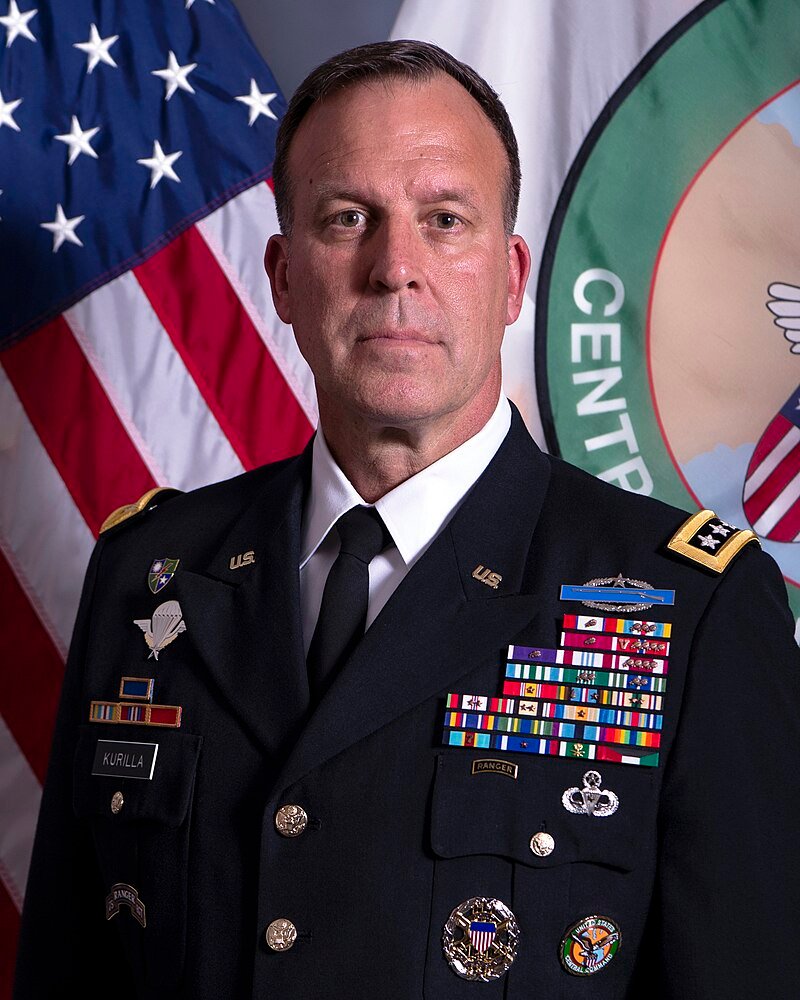
General Michael Erik Kurilla is a key figure in the U.S. military’s leadership, currently serving as the Commander of United States Central Command (CENTCOM). In this critical role, he oversees American military operations across the Middle East, Central Asia, and parts of South Asia. His leadership is especially vital at a time when tensions with Iran are rising, nuclear negotiations are faltering, and U.S. troops in the region face frequent threats from various armed groups. Kurilla assumed command of CENTCOM on April 1, 2022. As the head of this combatant command, he is responsible for military actions in volatile areas…
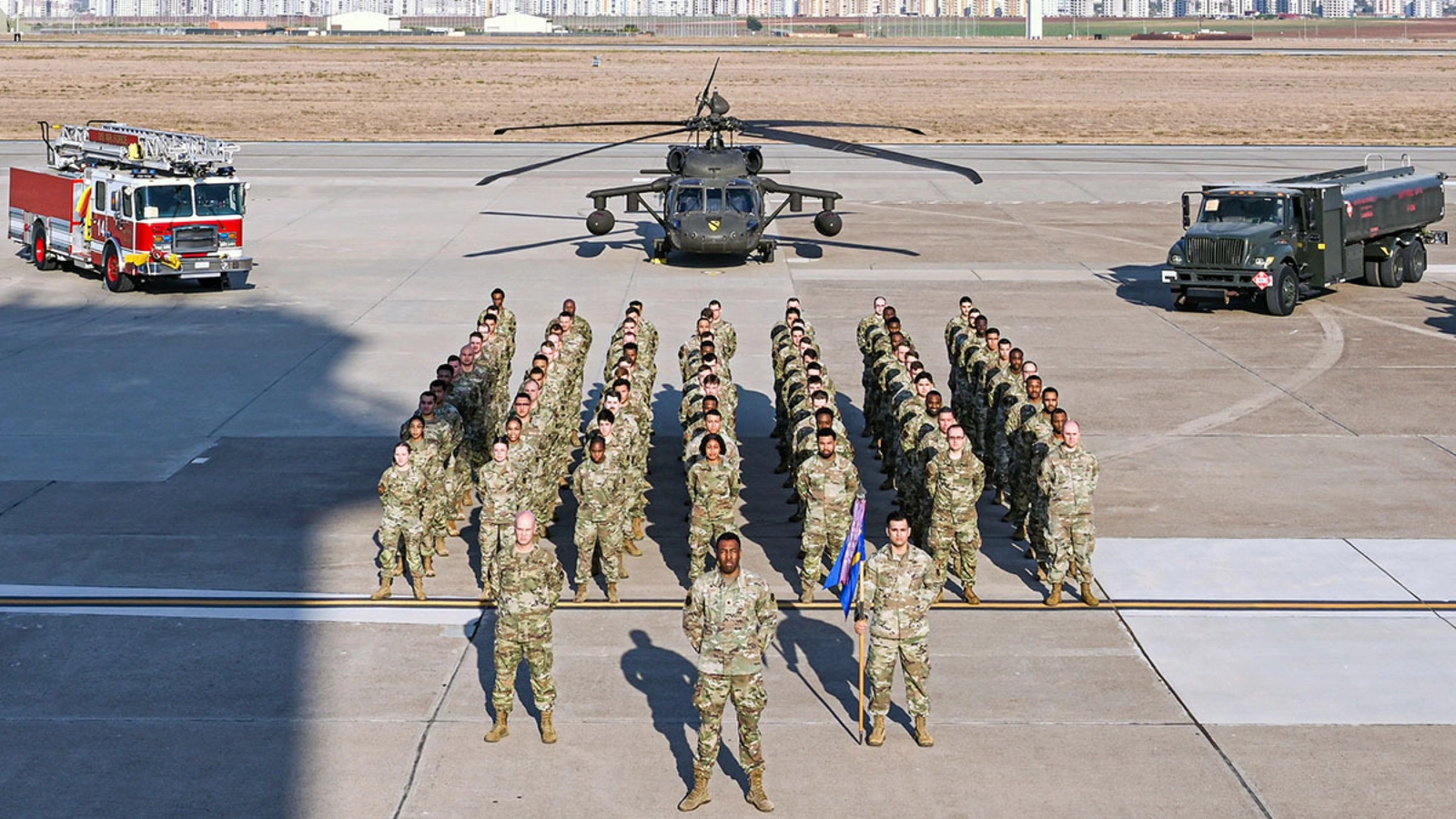
The U.S. military has a significant presence across the Middle East, with key bases located in Iraq, Bahrain, Kuwait, Qatar, and the United Arab Emirates. This presence has long been a cornerstone of American strategy in the region, aimed at maintaining stability, protecting allies, and securing vital energy resources. However, recent tensions with Iran have led to a cautious shift in U.S. military operations and personnel deployment in the area. Growing concerns about the possibility of military conflict have prompted the United States to take precautionary steps, including the partial evacuation of some staff and family members from the region.…

The Fulbright Foreign Student Program is one of the most respected international scholarship initiatives designed to promote educational and cultural exchange between the United States and countries around the world. Established by the U.S. government, this program offers graduate students, young professionals, and artists the opportunity to study, conduct research, or pursue creative projects in the United States. Since its inception, it has played a crucial role in fostering mutual understanding and cooperation among nations through academic excellence and cultural diplomacy. Created by Congress in 1946 under President Harry Truman’s administration, the Fulbright Foreign Student Program is part of the…
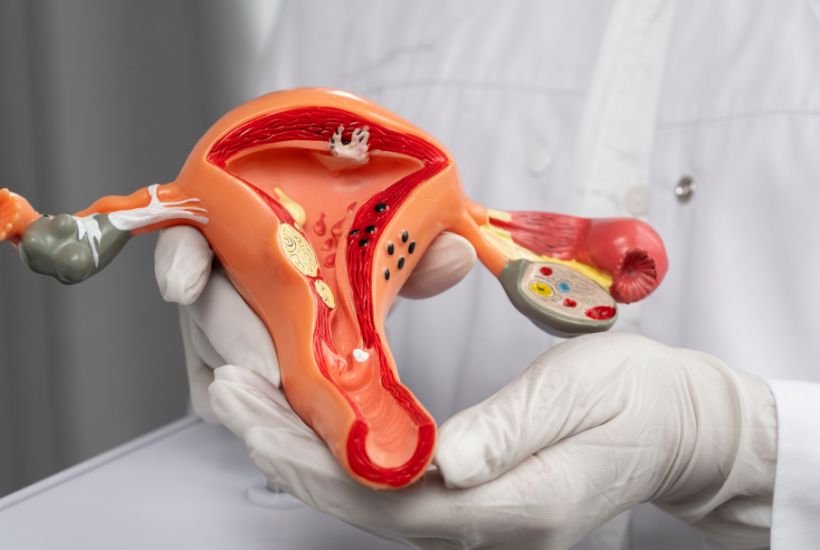
Gynecology is a vital branch of medicine dedicated to the health of the female reproductive system. This medical specialty focuses on the diagnosis, treatment, and prevention of diseases and disorders affecting the vagina, uterus, ovaries, fallopian tubes, and breasts. Gynecology plays a crucial role in women’s overall health, addressing a wide range of issues from menstrual problems and infections to reproductive health and cancer screening. The field also covers surgical procedures designed to treat various gynecological conditions, ensuring women receive comprehensive care throughout different stages of life. At the core of gynecology is the management of menstrual problems. Many women…

The Centers for Disease Control and Prevention, commonly referred to as the Centers for Disease Control, is the United States’ premier public health institution. Operating under the U.S. Department of Health and Human Services, the CDC is headquartered in Atlanta, Georgia, and is responsible for protecting Americans from health threats, preventing the spread of diseases, and promoting overall public well-being. The agency was originally established on July 1, 1946, under the name Communicable Disease Center. Its initial mission was to combat malaria in the southern United States. Over the decades, the CDC has grown from a malaria-focused organization to a…