

A miniature horse named Black Pearl is bringing smiles and comfort to hospital patients in California through a special animal therapy programme. The small horse visits medical centres with her trainer, Victoria Nodiff-Netanel, offering companionship to people facing difficult health challenges. From military veterans receiving psychiatric care to children staying in hospital for long periods, Black Pearl has become an unusual but welcome visitor.
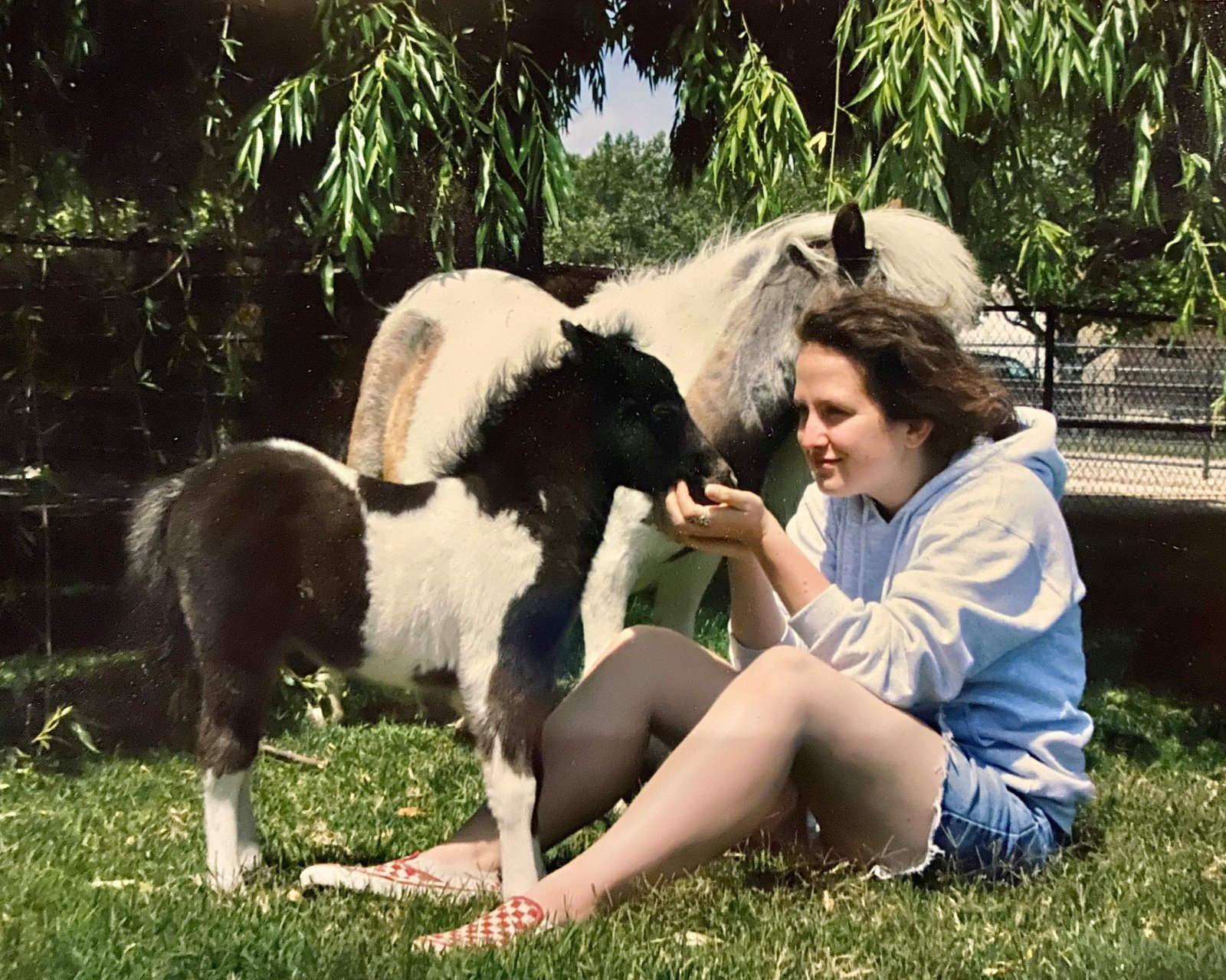
Her journey began in 2008, when Nodiff-Netanel decided to buy a miniature horse after retiring from years of dressage training and competition. She wanted an animal companion for her home in Southern California. Black Pearl was only six months old when she arrived from Quicksilver Ranch in Solvang. Her energetic personality quickly made her a favourite. She enjoyed running around before returning for affection and attention.
At first, Nodiff-Netanel had no plans to build a charity around the horse. She began teaching Black Pearl simple tricks for fun and soon discovered how quickly the animal could learn. This encouraged her to consider whether the horse could bring happiness to people beyond her own family. She started exploring opportunities to visit community organisations and healthcare facilities.
That idea eventually led to the creation of Mini Therapy Horses, a programme that now includes Black Pearl and eight other miniature horses. The animals visit hospitals and provide patients with opportunities to interact with them. Their presence can offer a welcome break from medical routines, especially for people who spend long periods away from their homes and families.
One important part of the programme involves visits to a veterans’ hospital in Los Angeles. Some patients receiving psychiatric treatment have experienced post-traumatic stress disorder, traumatic brain injuries and addiction. Others are also dealing with homelessness and social isolation. Meeting the horses gives them a chance to spend time with friendly animals, offering a different kind of interaction during their treatment.
Patients can pet and hug the miniature horses. These simple moments can help create a more relaxed atmosphere and give people something positive to focus on. For individuals who miss their own pets while receiving hospital care, the visits can be particularly meaningful.
The programme also reaches children and adults in other hospitals. Some young patients remain in medical facilities for extended periods, making visits from the horses a special experience. For children with visual impairments, staff can help them gently touch and brush the animals. This allows them to explore the horses through physical interaction and enjoy a different kind of hospital activity.
Black Pearl has also learned to walk beside patients who use wheelchairs. People can hold her reins while spending time with her, creating a closer connection with the animal. Her calm and friendly behaviour makes these visits possible, while her playful personality helps make each meeting memorable.
Among the nine miniature horses, Black Pearl is known for enjoying attention and performing tricks. She can walk on her hind legs, give a high-five with her hoof and respond to simple questions by nodding or shaking her head. One of her most unusual skills is playing a keyboard by moving her muzzle across its keys.
These abilities are not simply for entertainment. They help create moments of interaction between the horses and the people they visit. A patient who may feel uncomfortable speaking with others might find it easier to connect with an animal. The horses also give visitors a shared activity, helping patients, families and healthcare workers enjoy a lighter moment together.
For Nodiff-Netanel, the programme has become much more than a hobby. She says Black Pearl inspired her to change the direction of her life and find a new way to support others. The relationship between the trainer and the horse helped turn a personal interest into a community project.
Animal-assisted activities are used in different care settings, although they are not a replacement for medical treatment or professional mental health support. Their value often comes from companionship, positive interaction and the opportunity to take part in an enjoyable activity.
The programme also requires preparation. Therapy animals need suitable temperaments and training before visiting hospitals. They must be comfortable around unfamiliar people, medical equipment and busy environments. Their handlers also need to understand the needs of patients and follow each facility’s safety requirements.
Black Pearl’s story shows how an unexpected idea can develop into a meaningful community project. What began as a decision to bring home a miniature horse has grown into a programme reaching patients across Southern California. Through hospital visits, playful tricks and quiet moments of companionship, the horses are helping make difficult days a little brighter.