


Author: Andrew Rogers

Andrew Rogers
Andrew Rogers is a seasoned journalist and news analyst specializing in global affairs, politics, and finance. With a passion for investigative reporting, he delivers accurate, insightful stories that inform and engage readers worldwide.
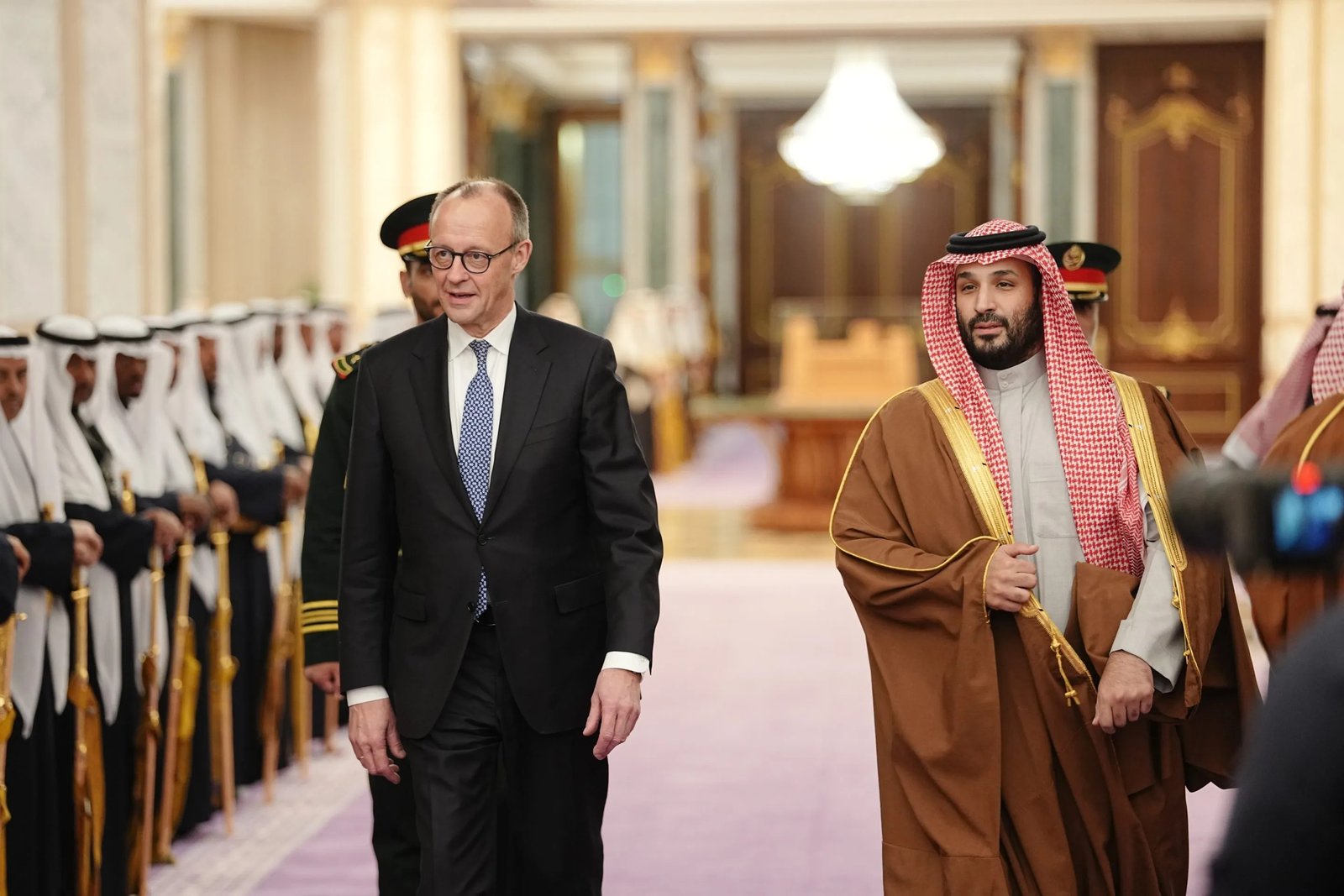
Saudi Arabia has experienced significant economic setbacks after Iran launched retaliatory strikes in the Gulf. Key oil facilities and export routes, including the Strait of Hormuz, have been disrupted, intensifying the region’s turmoil. According to Daljoog News analysis, Saudi Arabia’s alignment with the United States in the conflict has exposed it to direct economic and infrastructural consequences, revealing the risks of regional entanglements during escalating hostilities. The situation underscores how disruptions in the Gulf, one of the world’s most critical energy corridors, can have far-reaching implications for both regional economies and global energy markets. What Happened? Following joint attacks by…
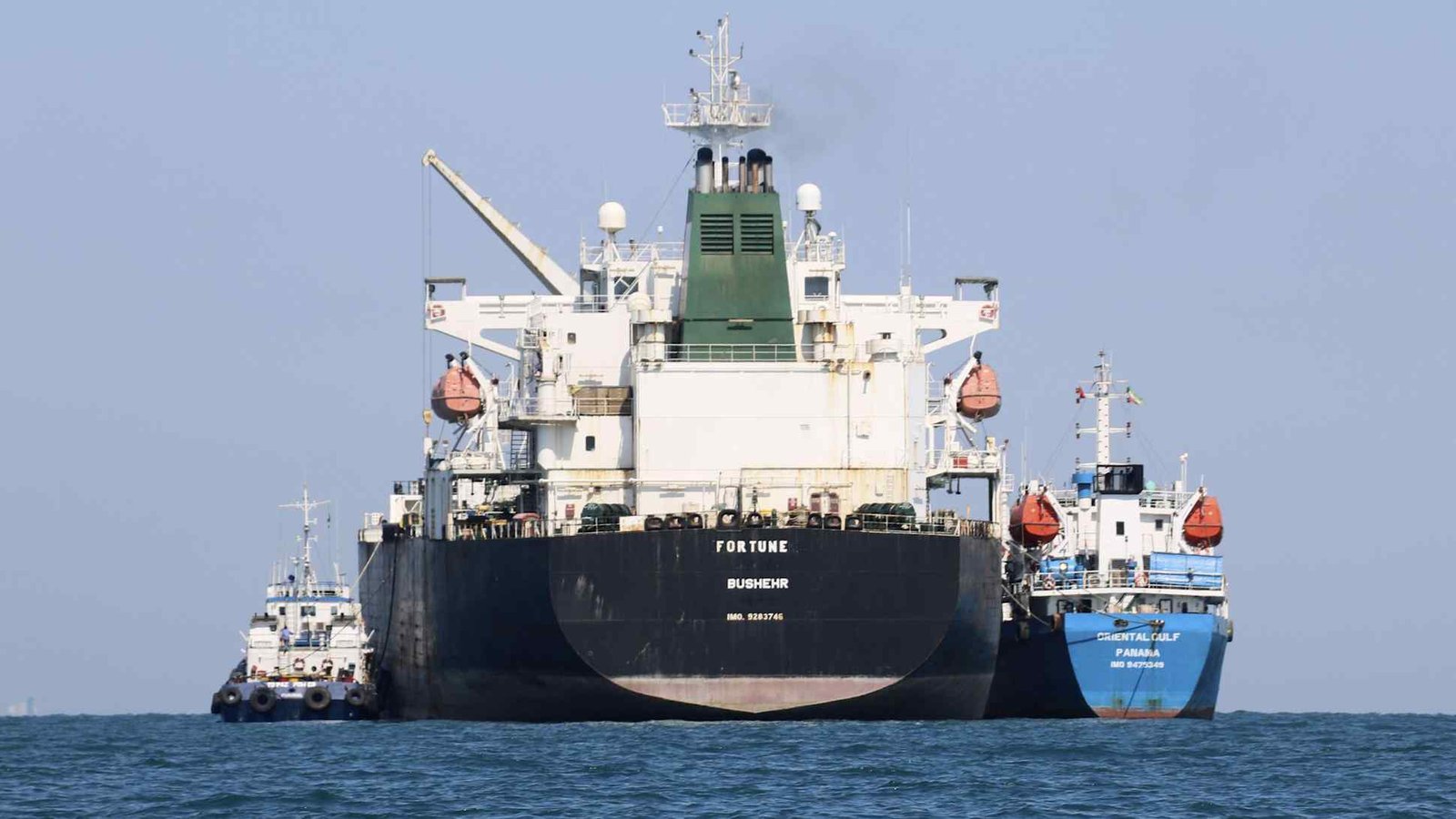
Iran has announced a new strategy linking oil shipments through the Strait of Hormuz to China’s currency, the yuan. This move directly challenges the long-standing dominance of the US dollar in global energy trade. According to Daljoog News analysis, the arrangement allows limited shipments of Iranian crude to China in exchange for yuan payments, bypassing traditional petrodollar mechanisms that have underpinned US economic influence for decades. The timing is critical. Global energy markets are already under pressure, and this step signals Tehran’s willingness to reshape trade dynamics while testing the resilience of dollar-based financial systems. What Happened? During the opening…
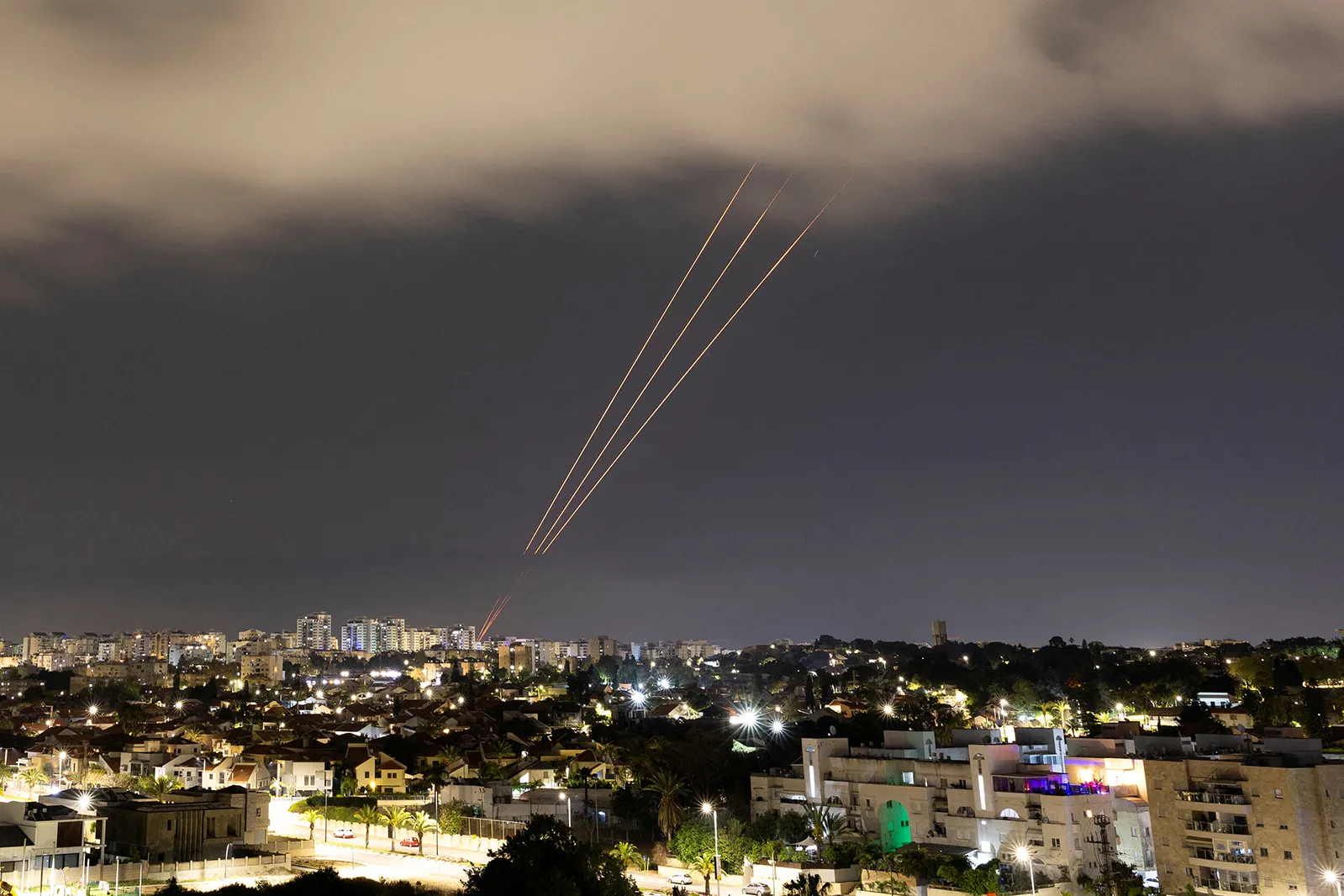
Iran has publicly accused the United States and Israel of using fake drones modeled after its Shahid unmanned aircraft to carry out attacks in the region. Tehran claims these operations aim to frame Iran for incidents it did not commit. According to Daljoog News analysis, this development illustrates how technological and information warfare has become a central feature of modern Middle East conflicts, extending beyond traditional military operations. The allegations come amid rising tensions in neighboring countries, including Turkey, Kuwait, and Iraq, where drone-related incidents have been reported. Experts warn that this phase of conflict adds both strategic complexity and…
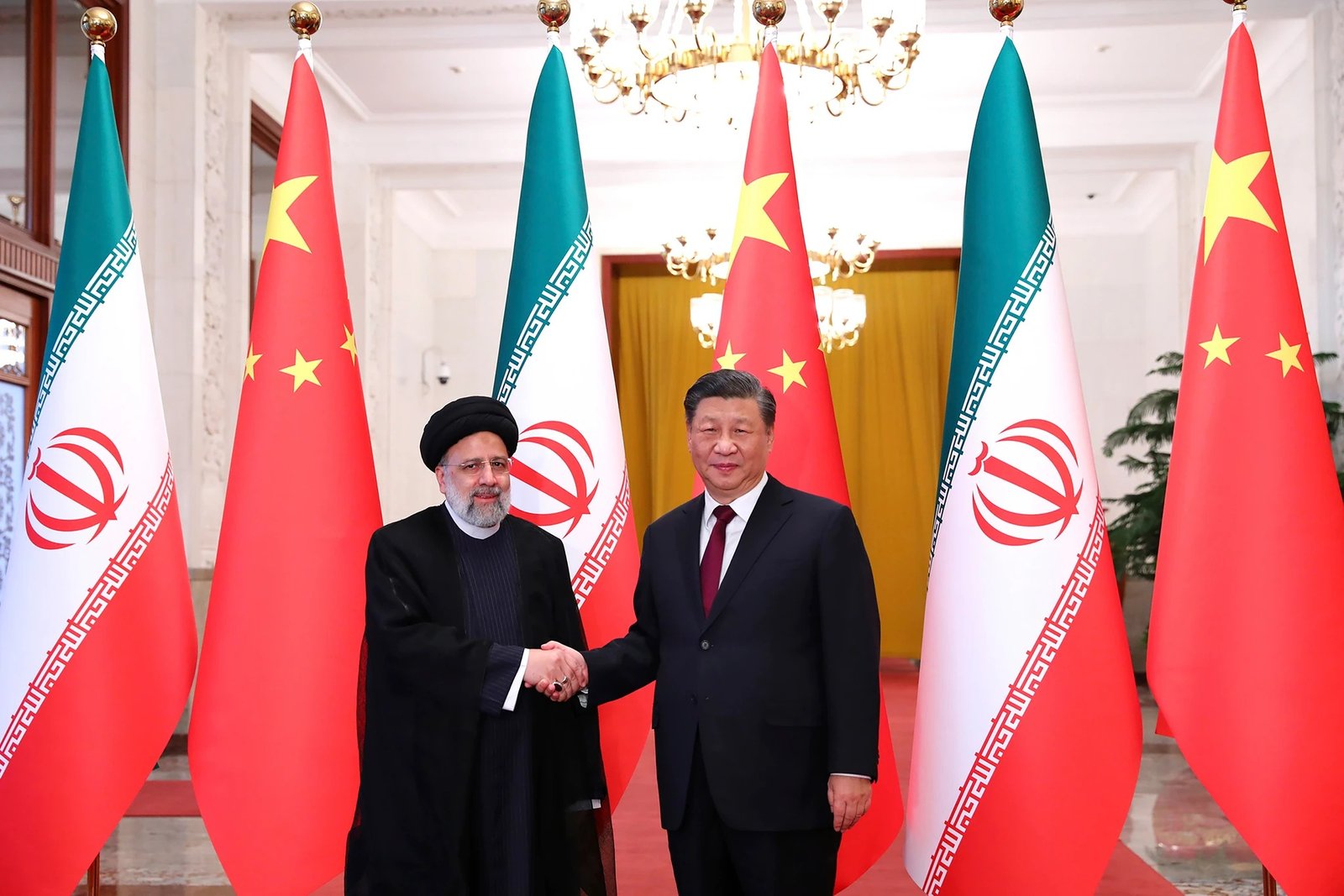
China has signaled stronger political and humanitarian support for Iran as the conflict involving Israel and the United States continues to escalate across the region. The development comes as tensions rise following reports of intensified missile exchanges and growing civilian casualties. According to Daljoog News analysis, Beijing’s public statements and humanitarian assistance suggest China is moving from quiet diplomatic backing toward a more visible role in the unfolding crisis. The situation has drawn global attention because it highlights the risk of broader geopolitical alignment in the Middle East, where major powers are increasingly being pulled into regional conflicts. What Happened?…
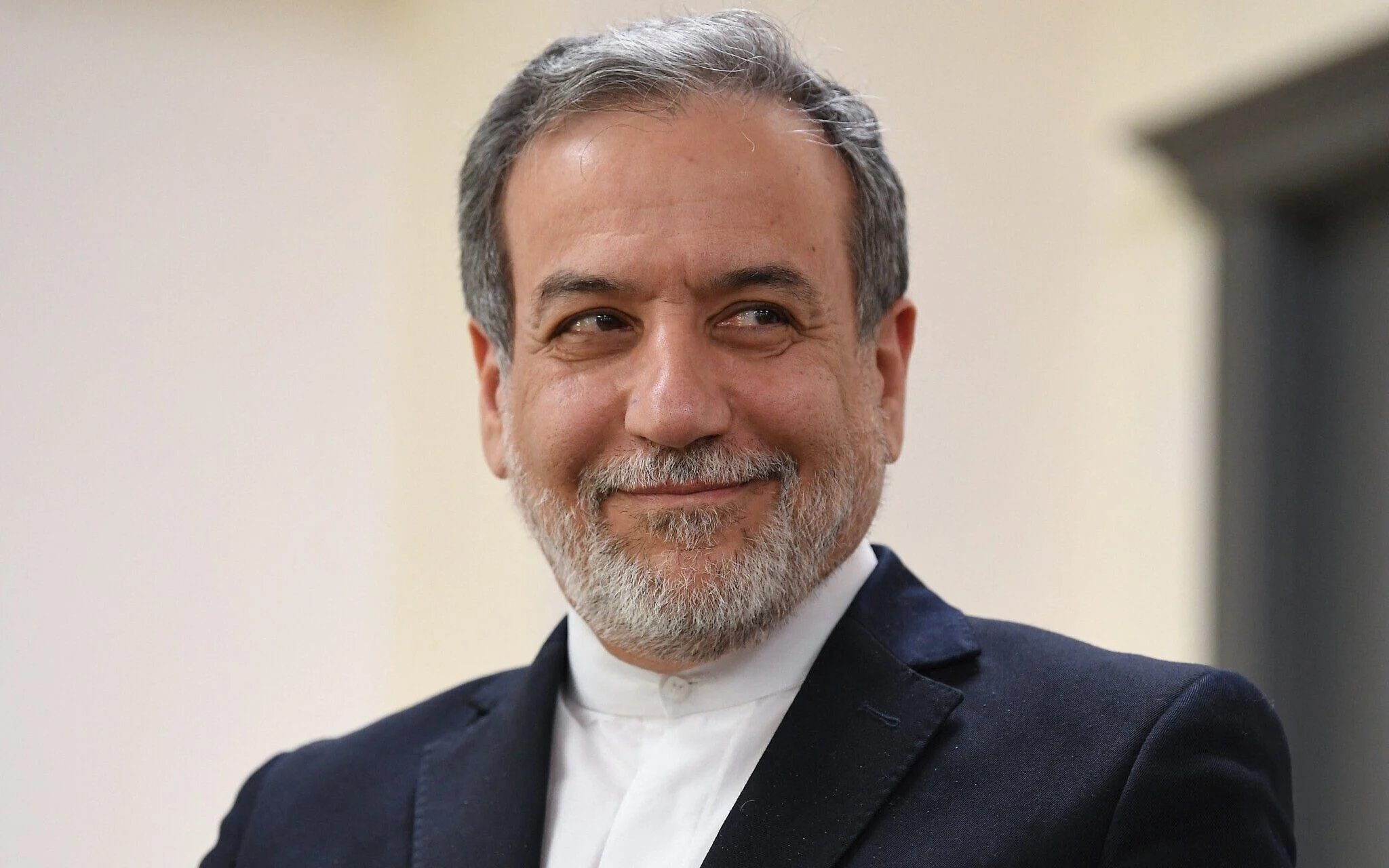
Abbas Araghchi has become one of the most recognizable figures shaping Iran’s foreign policy. As Iran’s foreign minister, he now represents Tehran in some of the most sensitive diplomatic discussions in the world. According to Daljoog News analysis, Araghchi’s path to power reflects a unique blend of battlefield experience, academic training, and years of diplomatic negotiations. These elements have helped him earn deep trust from Iran’s political leadership. His leadership role comes at a critical moment for Iran. The country faces complex challenges ranging from regional tensions to nuclear negotiations and international sanctions, making Araghchi’s diplomatic strategy increasingly important. What…
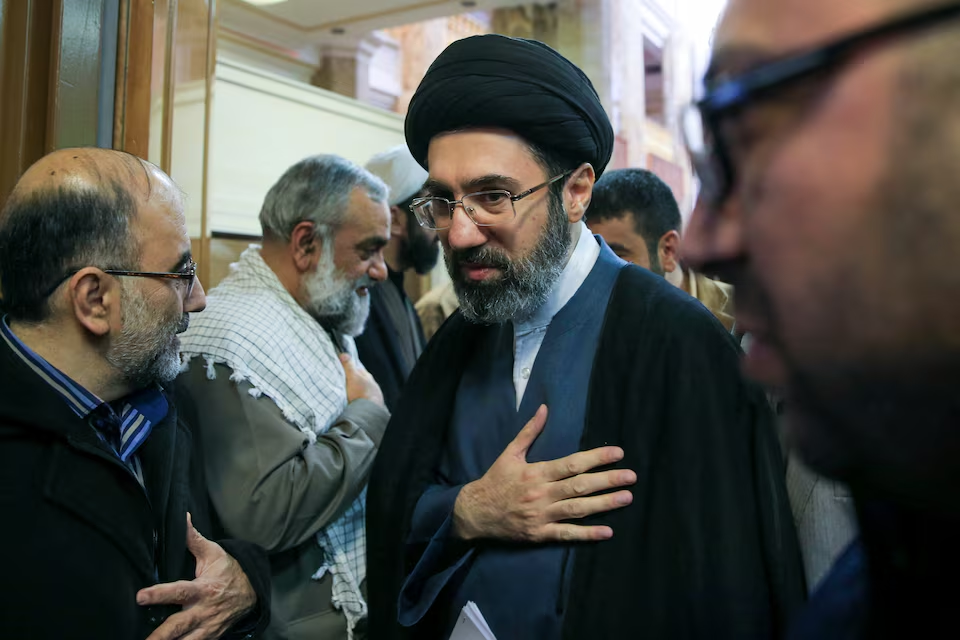
Iran’s newly appointed Supreme Leader, Mostafa Khamenei, has issued his first nationwide audio message following the death of his father, Ayatollah Ali Khamenei, during the opening day of the U.S.-Israel military strike. The message, circulated quietly but widely, calls on Iranians to remain steadfast against foreign aggression. According to Daljoog News analysis, this approach mirrors the historic audio-based strategy used during the 1979 Islamic Revolution, demonstrating how a leader can unify a nation without public appearances. The timing is critical: as Tehran and other Iranian cities sustain heavy damage from ongoing attacks, the message seeks to consolidate national morale and…
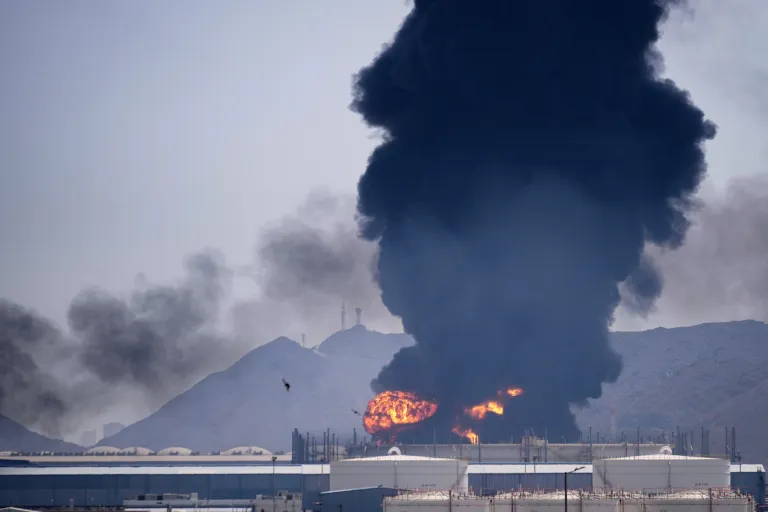
Iran’s Revolutionary Guard has launched successive missile strikes targeting Israel and U.S. military bases across the Middle East, causing widespread alarm and operational disruption. Each night, missile barrages and drone attacks continue to challenge Israeli air defenses and American forces stationed in the region. According to Daljoog News analysis, the coordinated assaults mark a strategic escalation, demonstrating Iran’s ability to project power beyond its borders while testing Israel’s aerospace defenses and the resilience of U.S. military infrastructure in allied countries. The strikes have intensified regional instability, raising concerns over civilian safety and highlighting the stakes of an ongoing Middle East…
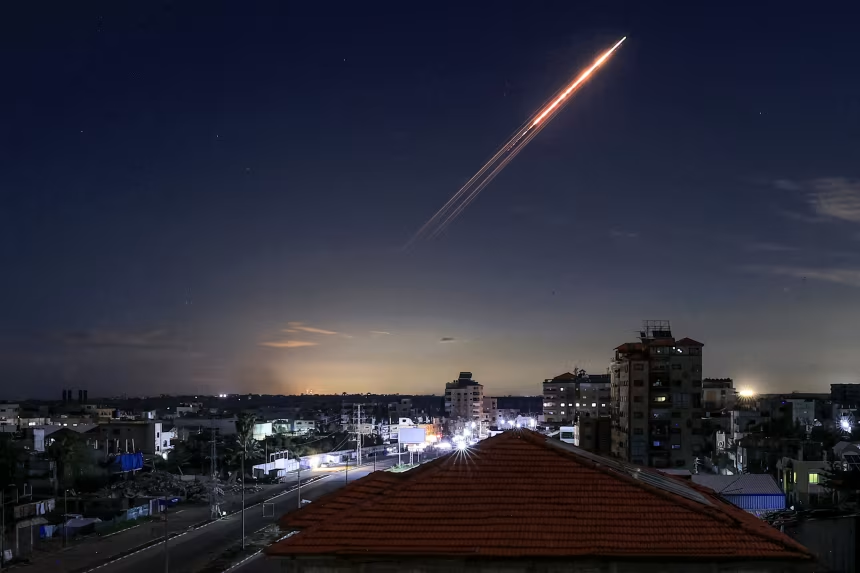
It has been 16 days since Israel and the United States launched a joint strike on Iranian targets. In retaliation, Tehran has unleashed a continuous wave of advanced missiles, putting Israel’s defenses under unprecedented pressure. Reports indicate that Tel Aviv is running low on ballistic missile interceptors, the primary tool for countering long-range threats. According to Daljoog News analysis, Iran’s use of cluster munitions and successive missile barrages is intensifying the stress on Israel’s air defense infrastructure, raising serious concerns about the country’s capacity to protect critical areas. The situation echoes challenges faced during last year’s conflict with Iran, highlighting…
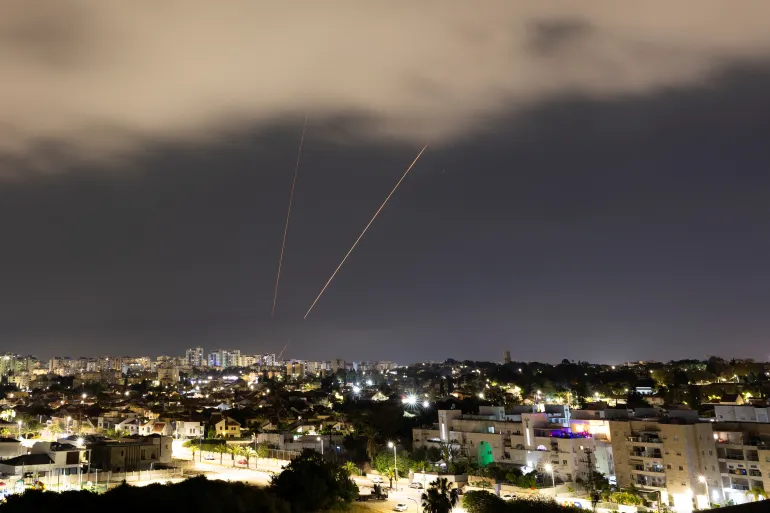
Iran has intensified its campaign in the Middle East, launching the 48th wave of its True Promise Four mega operation. Coordinating with Lebanese resistance fighters, Tehran targeted key locations across Israel, including the Galilee, Golan Heights, and the strategically vital port city of Haifa. The strikes have reportedly reached US military bases in the region, signaling Tehran’s commitment to sustain pressure until foreign forces are pushed out. The operation demonstrates Iran’s use of advanced missiles, solid and liquid fuel rockets, and swarms of drones, overwhelming conventional air defense systems. What Happened Saturday morning, Iran issued an official statement confirming the…
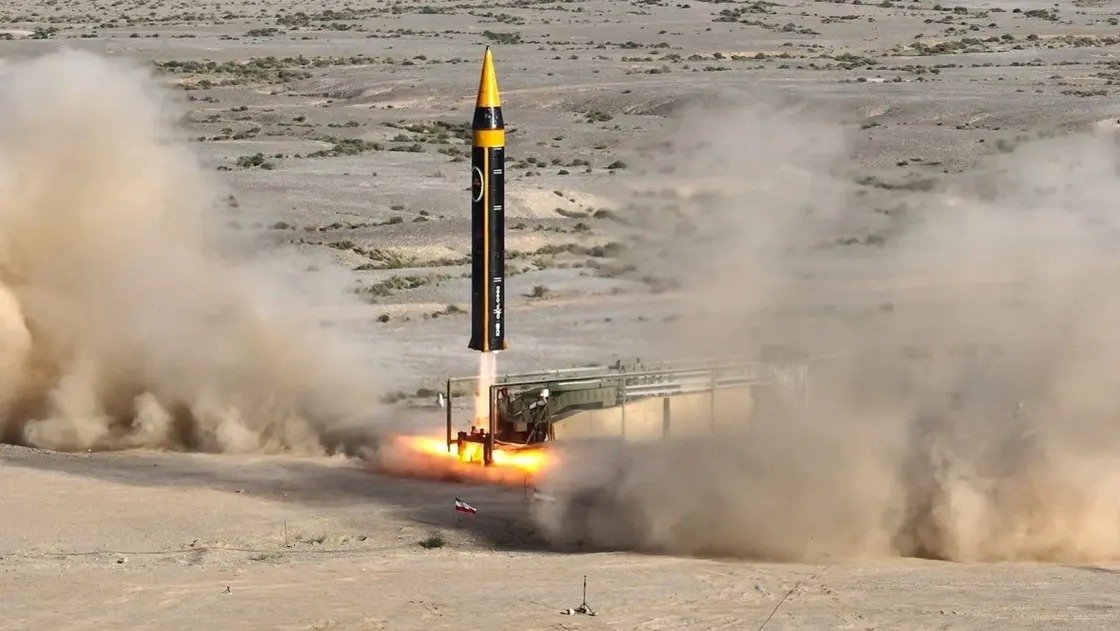
Iran has unveiled a new military capability that could redefine regional power balances. The Fattah-2 hypersonic missile reportedly combines extreme speed, maneuverability, and destructive power, placing Israeli cities within minutes of a potential strike. According to Daljoog News analysis, the missile’s speed and advanced technology make interception by current U.S. and Israeli defense systems highly unlikely. Analysts suggest this development shifts the strategic equation, creating unprecedented pressure on Israel’s national security infrastructure. The missile’s deployment comes amid ongoing hostilities in the Middle East, marking a turning point where advanced weaponry, not just conventional forces, dictates the conflict’s trajectory. What Happened?…