


Author: Andrew Rogers

Andrew Rogers
Andrew Rogers is a seasoned journalist and news analyst specializing in global affairs, politics, and finance. With a passion for investigative reporting, he delivers accurate, insightful stories that inform and engage readers worldwide.
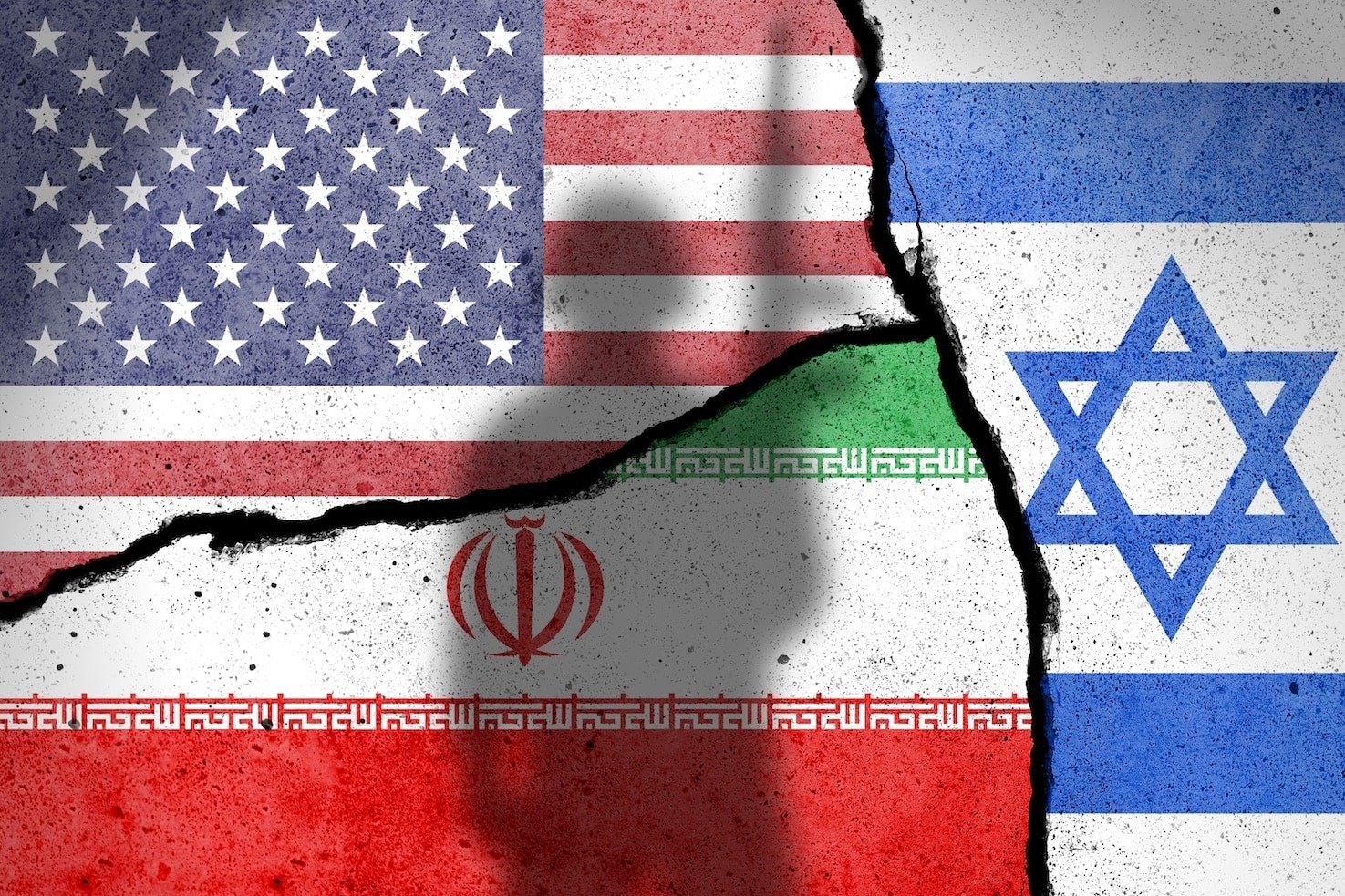
The war between Iran, the United States and Israel has entered its fifth consecutive day, with airstrikes and missile attacks expanding across multiple fronts. Hundreds of locations across Iran have reportedly been hit, while Tehran continues retaliatory strikes against Israeli cities and U.S. positions in the region. According to Daljoog News analysis, the conflict is shifting from targeted military exchanges to a broader regional confrontation. Civilian areas, energy facilities and strategic infrastructure are increasingly at risk, raising fears that the war could spiral beyond its initial scope. With casualties mounting and threats of possible ground operations emerging, the trajectory of…
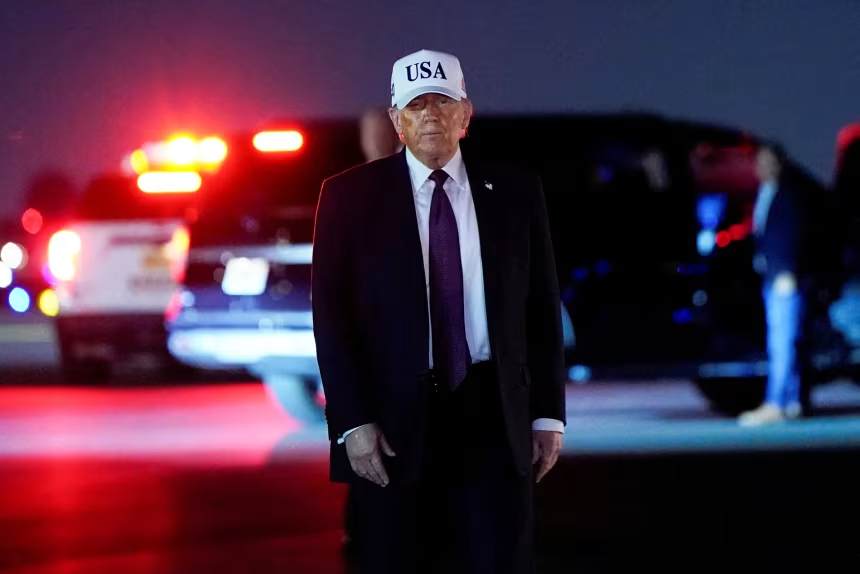
U.S. President Donald Trump has publicly claimed full responsibility for the war against Iran, distancing his administration from earlier remarks suggesting the conflict was driven by Israel. Speaking at the White House, Trump said he personally pushed Israeli Prime Minister Benjamin Netanyahu into the confrontation and denied that Tel Aviv had provoked Tehran. According to Daljoog News analysis, Trump’s statement reveals internal differences within Washington over how the war narrative is being presented. It also signals a deliberate attempt by the president to assert direct control over both military strategy and political messaging. The comments come as tensions between the…
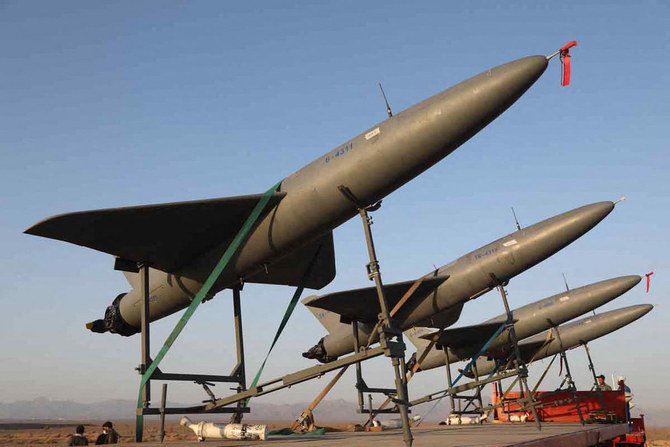
Late Monday night, the U.S. embassy in Riyadh, Saudi Arabia, came under attack from multiple Iranian drones. Explosions shook the diplomatic quarter, sending smoke into the sky and sparking heightened alarm among residents and foreign missions. According to Daljoog News analysis, the strikes reveal vulnerabilities in Gulf air defenses and mark a sharp escalation in U.S.-Iran tensions, signaling the potential for broader regional conflict. The attack comes amid a series of Iranian missile and drone operations targeting U.S. facilities across the Gulf, including recent incidents in Kuwait, Doha, and Dubai, heightening concerns for civilian and diplomatic safety. What Happened? Saudi…
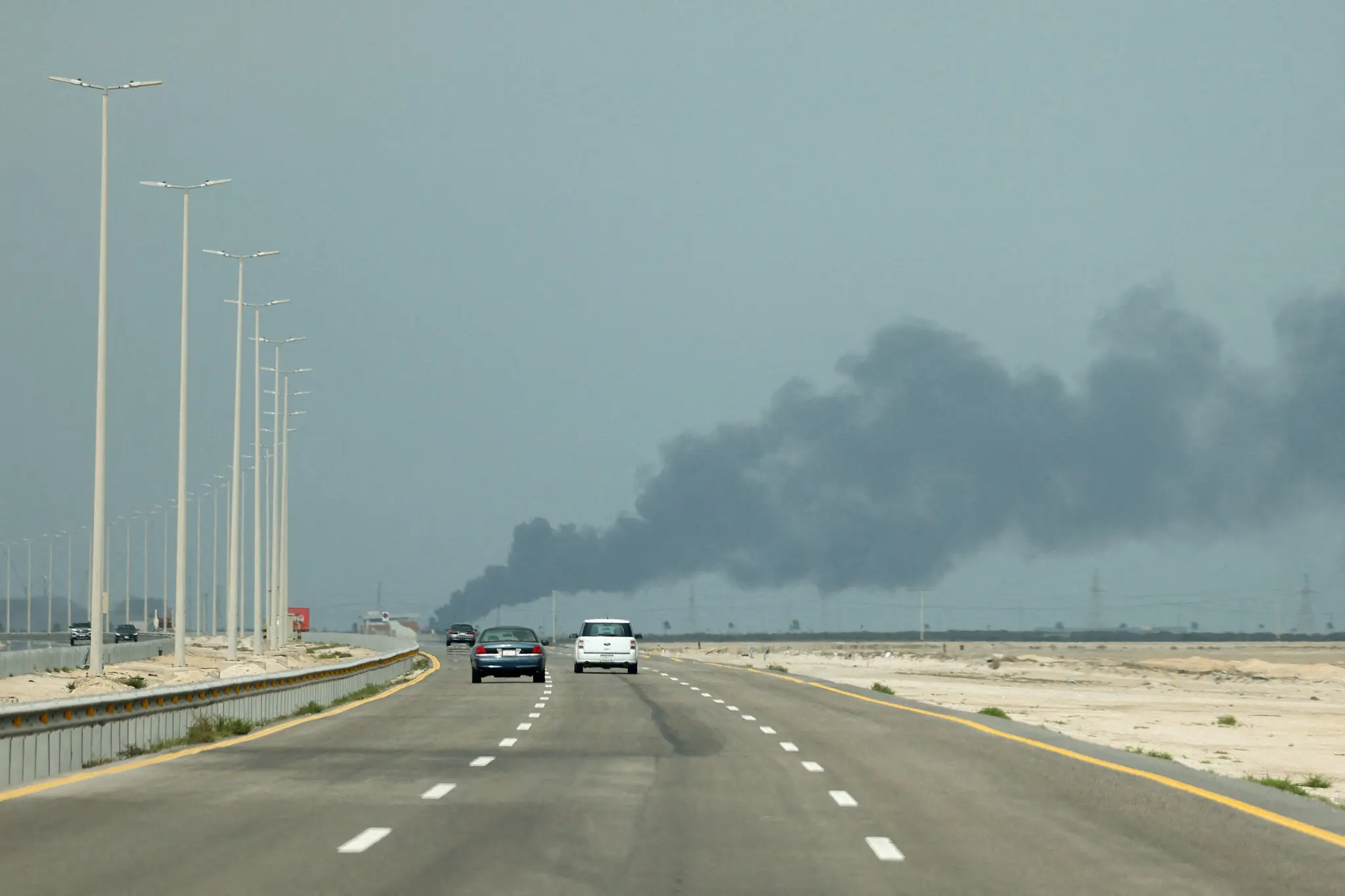
Iran’s recent missile and drone strikes on energy facilities in Saudi Arabia and Qatar have triggered sharp increases in global oil and gas prices. Markets are reacting to fears of supply disruptions from the Strait of Hormuz, a key transit route for roughly 20% of global energy shipments. According to Daljoog News analysis, the attacks demonstrate Iran’s ability to affect both physical energy infrastructure and market sentiment, signaling potential prolonged volatility for global oil and liquefied natural gas (LNG) markets. The strikes follow escalating U.S. and Israeli military action in Iran, marking a new phase of conflict that threatens energy…
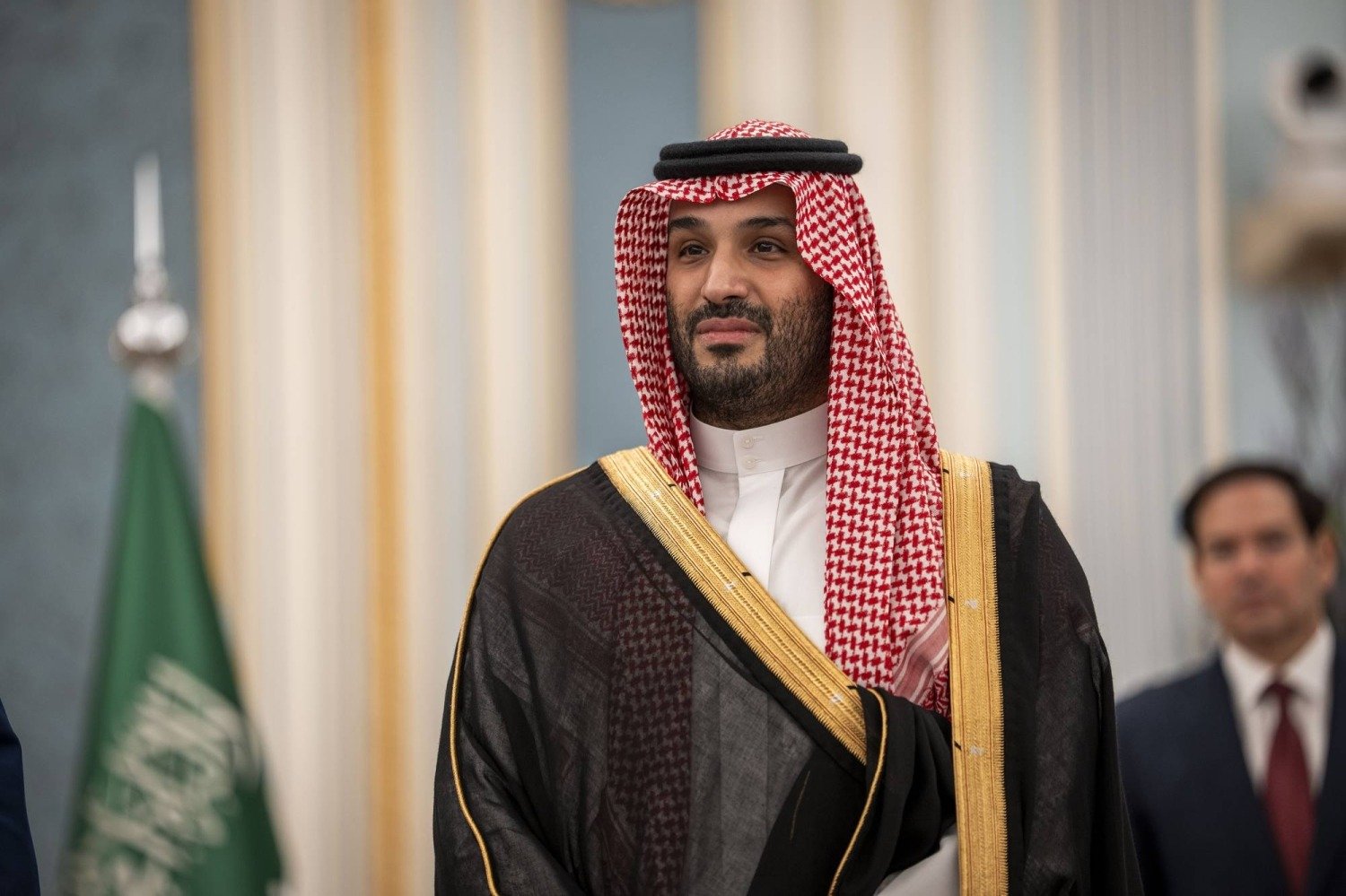
Tensions over Iran are escalating as Western powers signal potential coordinated support for U.S. operations in the Gulf. France, Germany, and the United Kingdom have expressed willingness to take defensive measures to protect allied interests in the region. According to Daljoog News analysis, these declarations suggest a shift from unilateral action toward broader international involvement, raising questions about the potential for a wider regional conflict. Analysts note that the emerging coalition may alter the strategic calculations of both Tehran and Washington. The developments follow the U.S.-Israeli airstrike on February 28, which killed Iran’s Supreme Leader Ayatollah Ali Khamenei and senior…

Israel’s Prime Minister Benjamin Netanyahu has described the ongoing conflict with Iran as a limited and targeted campaign, rather than a prolonged war. He emphasized that the operation’s objective is decisive action, not an indefinite confrontation. According to Daljoog News analysis, Netanyahu’s remarks signal Israel’s intent to rapidly consolidate gains following the killing of Iran’s top leader, Ayatollah Khamenei, and to shape conditions for potential political change within Tehran. The timing of the statement coincides with escalating regional tensions, including missile strikes and attacks on U.S. bases across the Gulf. Israel and its allies appear focused on achieving strategic goals…
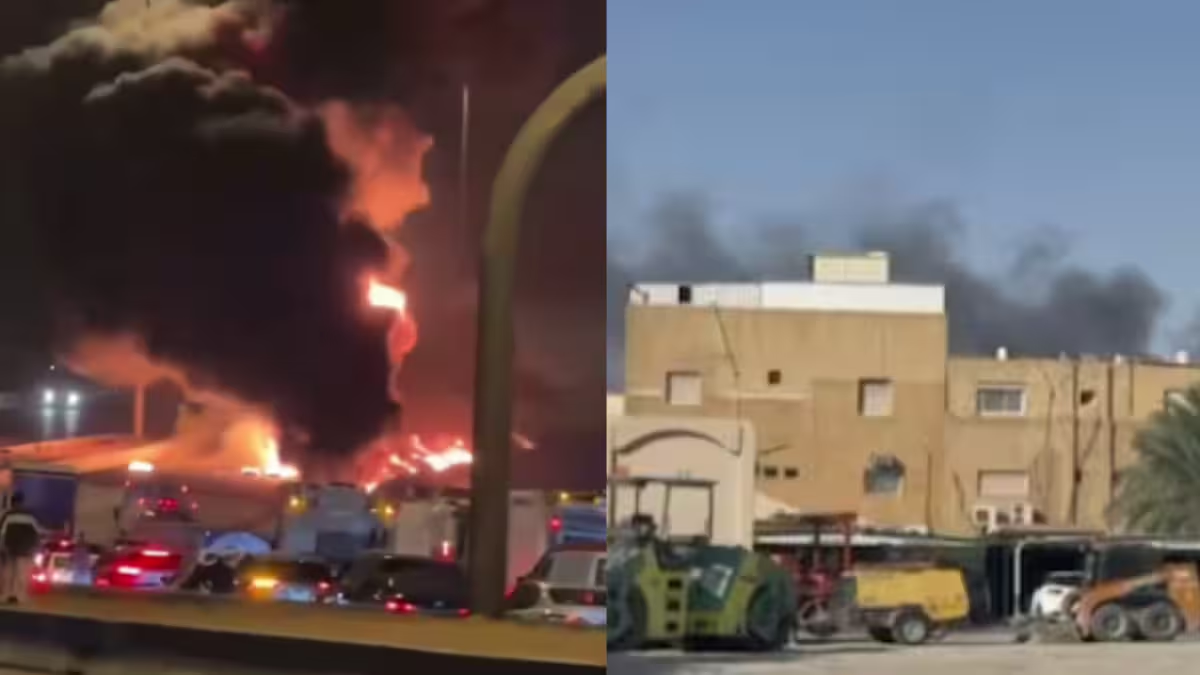
An explosion near the U.S. embassy in Kuwait City has heightened fears and uncertainty across the Gulf. Thick smoke was reported rising from the area, prompting immediate security alerts. According to Daljoog News analysis, the blast is part of a broader pattern of Iranian strikes targeting U.S. positions in the Gulf. Kuwait’s proximity to key American military and diplomatic installations makes it particularly exposed to escalating regional hostilities. The incident comes after hours of repeated air-raid sirens and missile alerts across the country, reflecting the tense environment and potential for further attacks in a region already on high alert. What…
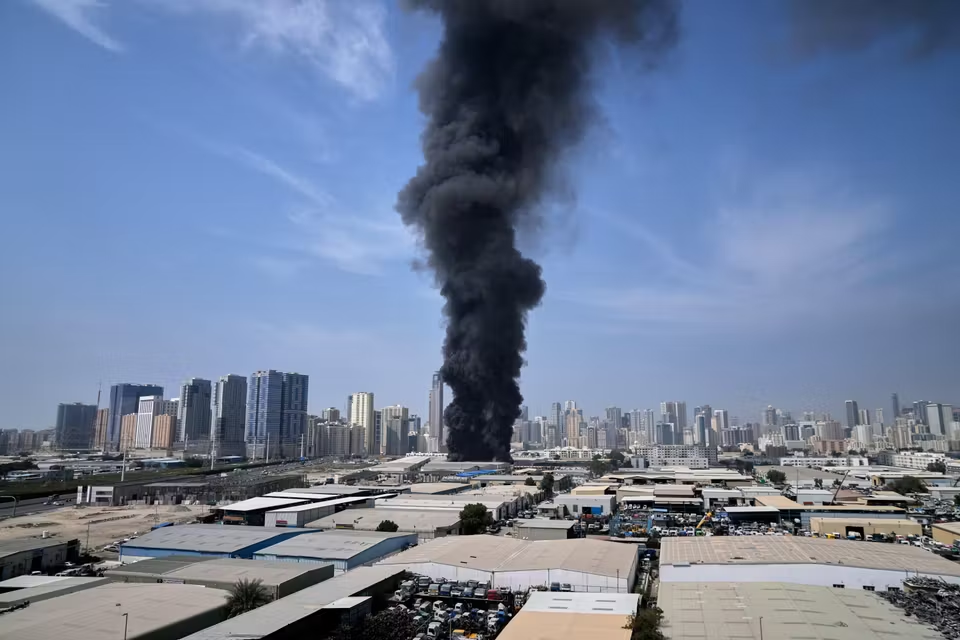
Iran has intensified its military operations across the Gulf, targeting U.S. installations in Qatar, the United Arab Emirates, and Kuwait. Multiple missile and drone strikes have already caused confirmed casualties among U.S. personnel. According to Daljoog News analysis, these attacks demonstrate Tehran’s ability to project power across the Gulf and directly challenge U.S. and allied regional presence. The strikes also signal Iran’s willingness to escalate the conflict in response to Israeli and American actions. The attacks come amid heightened tensions following recent U.S.-Israeli operations in Iran, raising fears of a broader regional confrontation and prompting security alerts across neighboring Gulf…
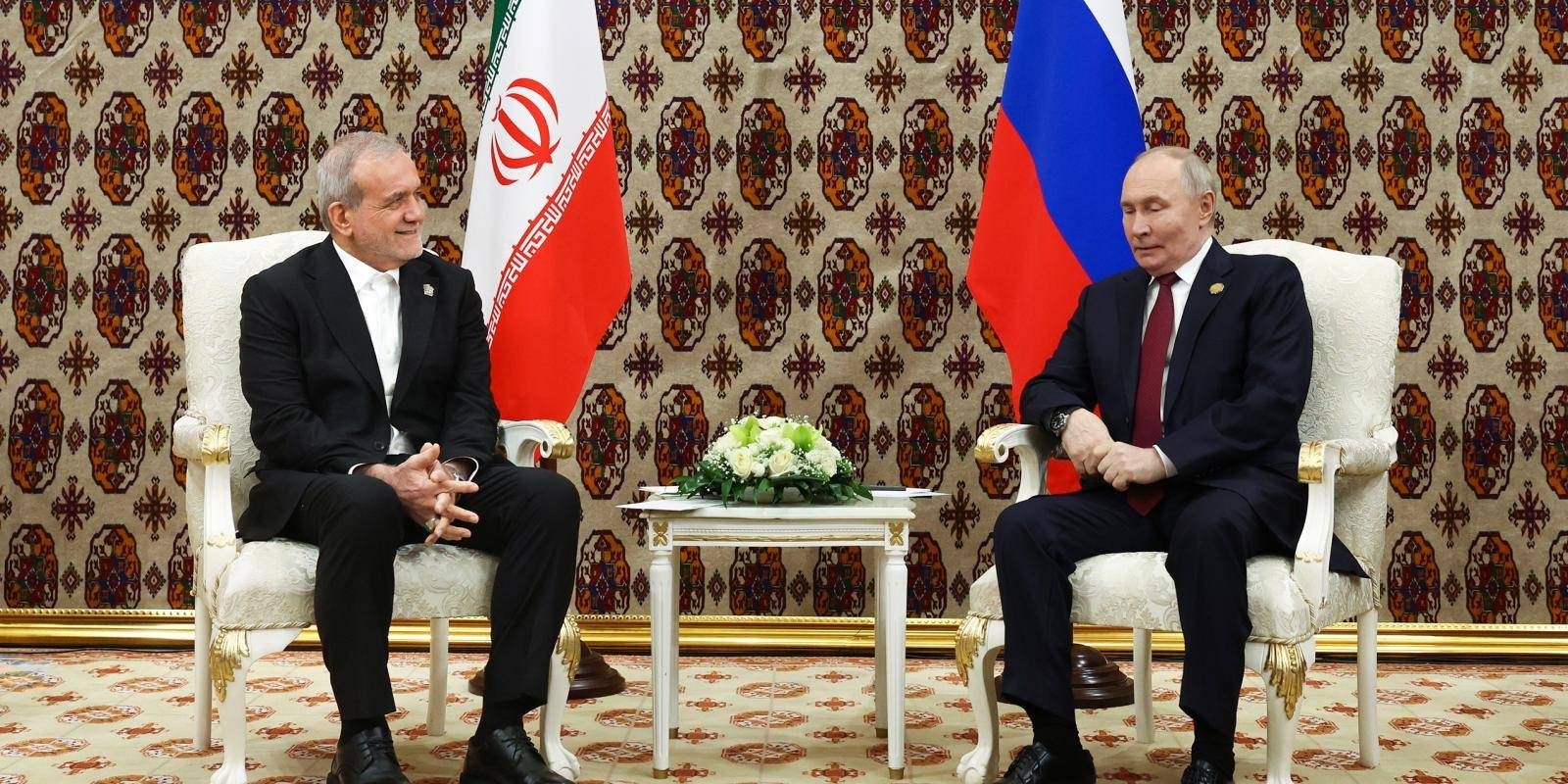
The Iran conflict has entered its fourth day, with missile strikes, retaliatory attacks, and reports of top leadership casualties fueling international concern. Casualties include over 500 dead in Iran, according to local sources, while the United States confirms six military personnel killed. Israel has also acknowledged civilian fatalities. According to Daljoog News analysis, the conflict has revealed a sharply divided stance among global powers. Some countries are issuing stern condemnations, others offer cautious support to allies, and a few hint at possible future involvement. The unfolding situation underscores the fragility of regional stability. With U.S., Israeli, and Iranian operations converging…
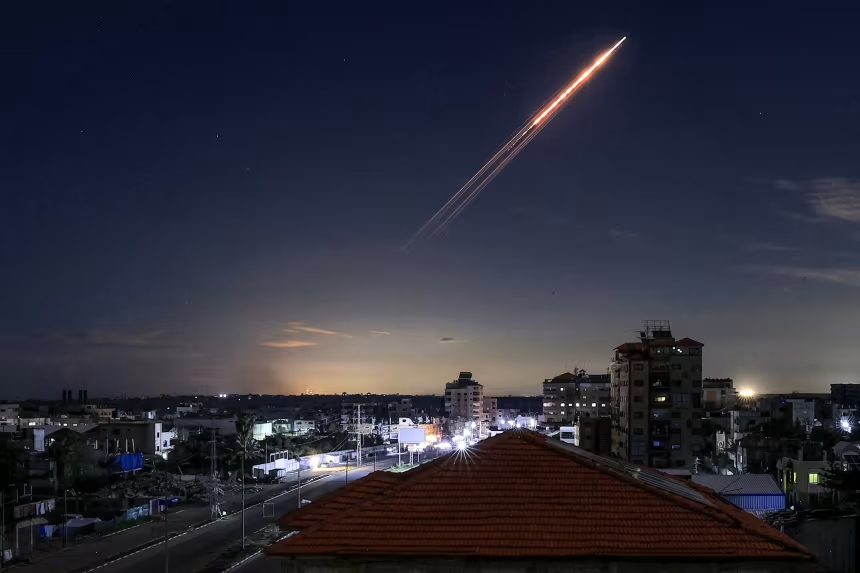
Israel faced a sudden wave of ballistic missile strikes early Thursday morning, sending shockwaves across the region. Civilians sought shelter as air-raid sirens sounded across major cities. According to Daljoog News analysis, Iran’s coordinated missile operation represents a dramatic escalation in its military posture, signaling Tehran’s readiness to target both regional rivals and U.S. installations. The timing is particularly sensitive, coming amid ongoing tensions over Iran’s regional influence and recent U.S.-Israeli operations in Tehran. Neighboring Gulf states are now on high alert, raising the stakes for international security. What Happened? In the early hours, Iran launched multiple ballistic missiles toward…