

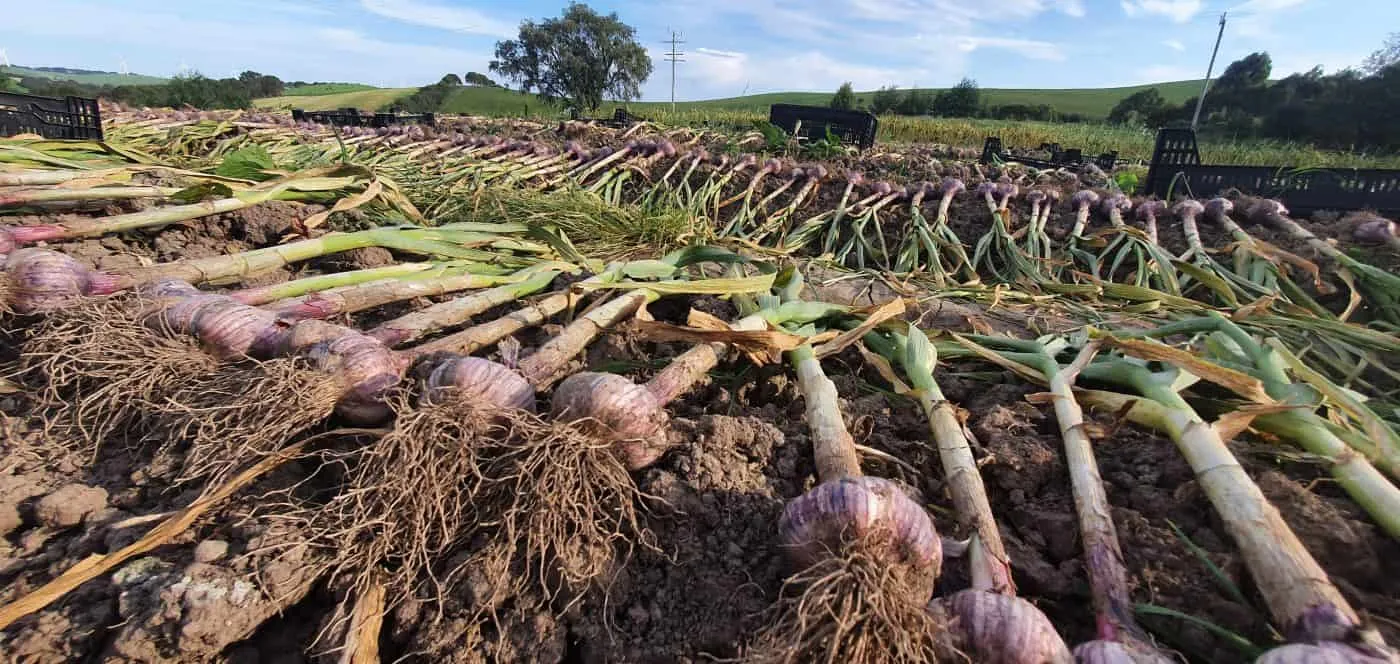
Australian garlic producers are seeing renewed interest in locally grown products as restaurants and home cooks increasingly look for fresh ingredients with a clear regional origin. The industry remains much smaller than the country’s garlic import market, but growing demand is giving some farmers confidence to expand their operations. Producers in Western Australia say customers are becoming more interested in how food is grown and processed, creating opportunities for smaller farms to compete despite the lower prices of imported garlic.
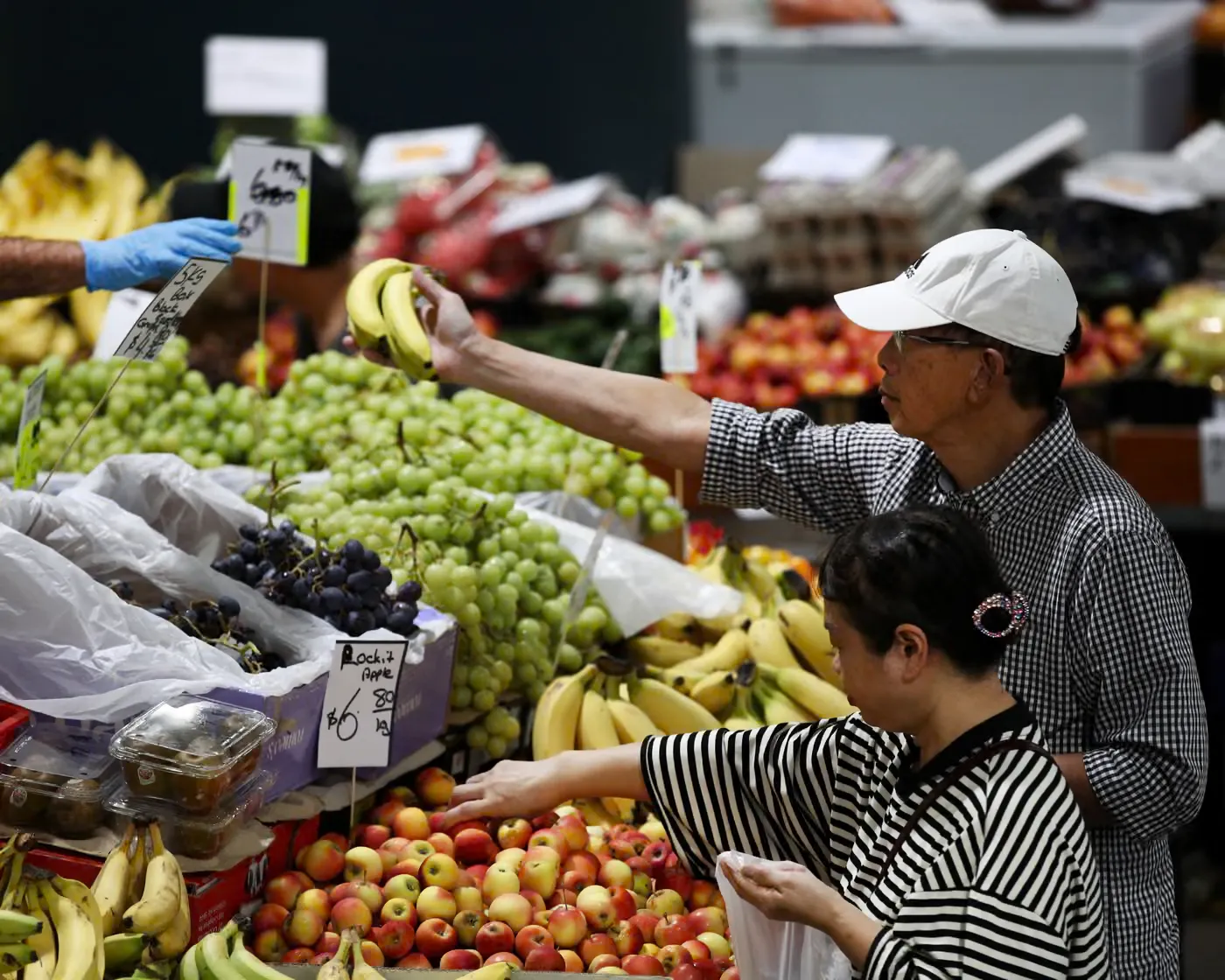
Australia imports around five times as much garlic as it produces domestically. During the previous year, the country imported nearly 17,000 tonnes of garlic worth approximately 55 million Australian dollars, while local production reached slightly more than 3,000 tonnes. The domestic industry was severely affected during the 1990s when cheaper imported products, particularly from China, made it difficult for Australian growers to remain competitive. Many small producers reduced their operations or left the industry altogether.
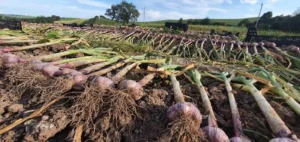
Farmer Jay Munns and his family are among those trying to rebuild local production. Their farm north of Perth currently produces about four tonnes of Italian pink garlic, and they hope to increase output if demand remains strong. The family sells directly to customers and has found interest from restaurants that want to highlight locally sourced ingredients. They believe Australian-grown garlic can attract buyers who value freshness, flavour and a more direct connection with the people producing their food.
Chefs and industry representatives say the growing interest in local ingredients could help the sector develop a stronger market identity. Restaurants are increasingly telling customers where their produce comes from, while some home cooks are paying more attention to the difference between fresh garlic and heavily processed alternatives. However, local growers still face the challenge of competing with cheaper imports and expanding production without taking on excessive financial risk. Continued demand, stronger industry support and consumer interest in regional food could help Australian garlic farming become a more sustainable business.