



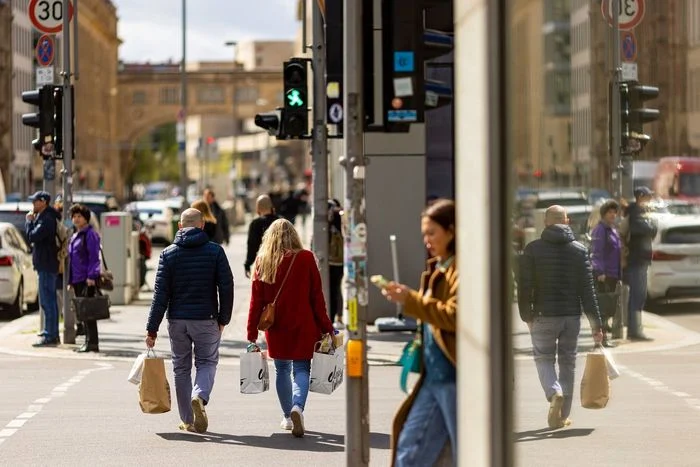
Recent economic surveys show that German consumer confidence remains stuck at very low levels, even as broader signs point to a fourth straight month of rising economic optimism across the country. The gap between overall economic sentiment and actual consumer willingness to spend highlights an unusual pattern in Europe’s largest economy.
Survey data indicates that while business leaders and economists feel increasingly positive about the country’s economic direction, everyday shoppers remain hesitant to open their wallets. This disconnect suggests that improving headline numbers have not yet translated into greater confidence among ordinary households.
Analysts point to several factors behind this continued caution. Years of rising costs for housing, energy, and everyday goods have left many German households more careful with spending, even as inflation growth has slowed compared to previous years. Old habits formed during tougher economic periods appear slow to change.
Germany’s economy has faced a mix of challenges in recent years, including energy supply disruptions and slower growth across key manufacturing sectors. These pressures have weighed on household budgets, making many consumers reluctant to increase spending even when broader economic indicators begin improving.
Retailers have felt the effects of this cautious spending environment firsthand. Many report that shoppers continue prioritizing essential purchases over discretionary spending, favoring value focused shopping over premium products across a wide range of categories, from groceries to clothing and electronics.
The automotive sector, historically a cornerstone of the German economy, has also faced pressure from cautious consumer spending. Higher vehicle prices combined with economic uncertainty have led many households to delay major purchases like new cars, further weighing on overall consumer activity.
Some economists argue that confidence typically lags behind actual economic improvement, meaning household sentiment may eventually catch up if positive trends continue. Rising business optimism often takes time to translate into higher wages, more secure employment, and eventually greater consumer confidence.
Government officials have pointed to various policy measures aimed at supporting household finances, including targeted relief programs and infrastructure investment plans designed to boost long term economic growth. Whether these measures will be enough to shift consumer sentiment in the near term remains uncertain.
Comparisons with other major European economies show mixed results. Some neighboring countries have seen stronger improvements in consumer confidence during the same period, suggesting that Germany’s particular economic challenges, including its heavy reliance on manufacturing and exports, may be playing a larger role in dampening household sentiment.
Looking ahead, economists will be watching closely to see whether continued improvement in broader economic indicators eventually filters down to everyday consumers. Until confidence among German households begins to rise more meaningfully, retailers and businesses across the country may need to continue adjusting their strategies around a more cautious spending environment.