


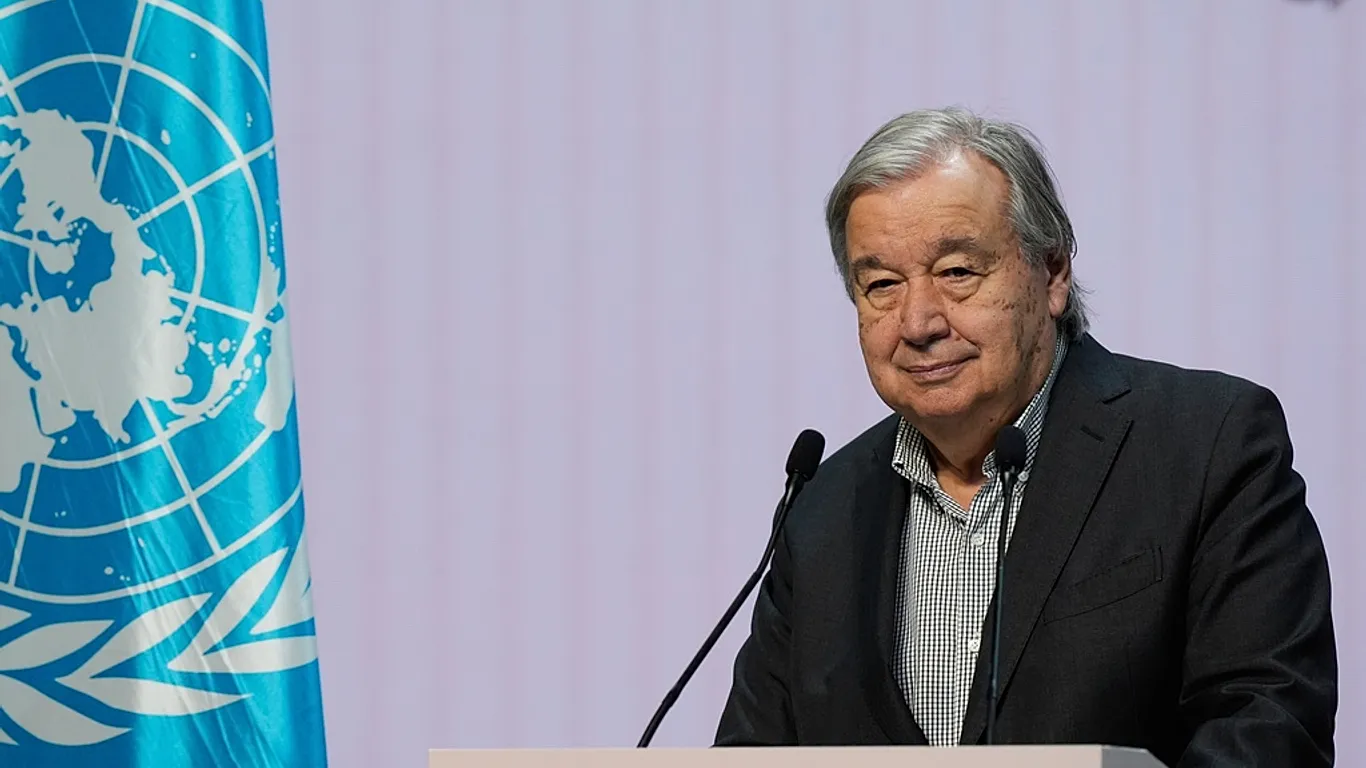
The United Nations faces a severe financial crisis, Secretary-General Antonio Guterres warned on Friday, urging member states to pay their dues on time. He cautioned that the organisation could run out of funds as early as July 2026.
According to Daljoog News analysis, this warning highlights longstanding structural problems within the UN, compounded by delayed or reduced contributions from major powers, including the United States. Without urgent reforms or full payments, the UN’s operations, from peacekeeping missions to humanitarian aid, could be drastically affected.
The warning comes at a time of heightened geopolitical tension. Rivalries among Security Council permanent members and recent U.S. funding reductions have exposed vulnerabilities in the UN’s financial and operational framework.
What Happened?
Antonio Guterres, the UN Secretary-General, delivered a stark message to member nations on Friday. In a letter, he stressed that chronic budget shortfalls are threatening the organisation’s ability to function. According to UN records, unpaid contributions reached $1.6 billion by the end of 2025, more than double the previous year, despite over 150 countries having settled their obligations.
Guterres pointed to delayed payments, partial contributions, and the growing challenge of reimbursing member states for unspent funds as factors creating a “Kafkaesque cycle” that strains the organisation’s finances. He warned that unless collections improve sharply, the UN cannot fully execute its 2026 program budget, which was approved in December 2025.
Complicating matters, the Trump administration has cut funding to several UN agencies and delayed mandatory contributions, reflecting broader U.S. skepticism of the organisation’s relevance and priorities. The administration also launched the so-called “Board of Peace,” which critics argue could serve as a parallel body to the UN.
Why This Matters
The UN’s financial instability has immediate and long-term implications. Without timely contributions, essential operations—from peacekeeping missions to humanitarian aid programs—face the risk of suspension or scale-back. This could affect millions worldwide, especially in conflict zones or regions facing humanitarian crises.
Financial shortfalls also weaken the UN’s ability to respond to emergencies, negotiate peace settlements, and provide development assistance. Structural risks could leave the organisation vulnerable to external influence, particularly from major contributors who may leverage funding delays to assert political priorities.
The situation also highlights the fragility of multilateral institutions in a world where geopolitical tensions are rising. U.S., Russian, and Chinese disagreements on the Security Council have often paralyzed decision-making, and funding delays now threaten the organisation’s very operational backbone.
What Analysts or Officials Are Saying
Farhan Haq, a UN spokesperson, acknowledged that the organisation is expected to return unspent funds to member states, even when cash reserves are insufficient, creating additional strain on budgets. Analysts note that this recurring issue reflects structural flaws in UN financial governance.
Experts also highlight the timing: Guterres is in his final year as Secretary-General, and without immediate action, the next administration will inherit a severely constrained organisation. Observers warn that repeated funding shortfalls risk undermining international cooperation at a time when global crises—from climate disasters to conflicts—demand rapid, coordinated responses.
Daljoog News Analysis
Daljoog News analysis suggests that Guterres’ warning is both a fiscal alert and a political signal. By explicitly naming the risk of bankruptcy, he pressures member states to acknowledge their obligations while highlighting the consequences of unilateral funding decisions.
The United States’ recent funding cuts illustrate a growing trend of major powers using financial leverage to influence multilateral agendas. If other large contributors follow suit or delay payments, the UN’s capacity to act independently may erode, undermining decades of multilateral diplomacy.
Moreover, structural reforms appear unavoidable. Current financial rules, which rely heavily on voluntary compliance, leave the organisation exposed to predictable cash flow crises. Without an overhaul, repeated shortfalls could become the norm rather than the exception.
What Happens Next
In the coming months, the UN will need urgent action from member states to stabilize its finances. Guterres’ letter implies that either full, timely payments or significant reform of financial rules is essential. Failure to act could force hiring freezes, program cuts, or suspension of certain missions by mid-2026.
Diplomatic pressure on major contributors, particularly the United States, will likely intensify. Meanwhile, other permanent Security Council members may need to coordinate more closely to ensure that the UN remains functional.
The unfolding financial crisis also raises broader questions about the future of multilateralism. If member states cannot collectively uphold commitments, the UN risks losing credibility precisely when global cooperation is most critical. Daljoog News will continue to track developments as the organisation navigates this precarious fiscal juncture.