

NATO will not hold its planned leaders’ summit in Albania next year as the military alliance reduces the number of high-level meetings. The decision comes at a time of growing disagreements among member countries over defence spending, the war in Ukraine and the conflict involving Iran. Albania had been selected to host the gathering, but officials now say there is no common position on holding the meeting in 2027. Albanian Prime Minister Edi Rama said the event would not take place next year and suggested that Tirana could host a future summit in 2028.
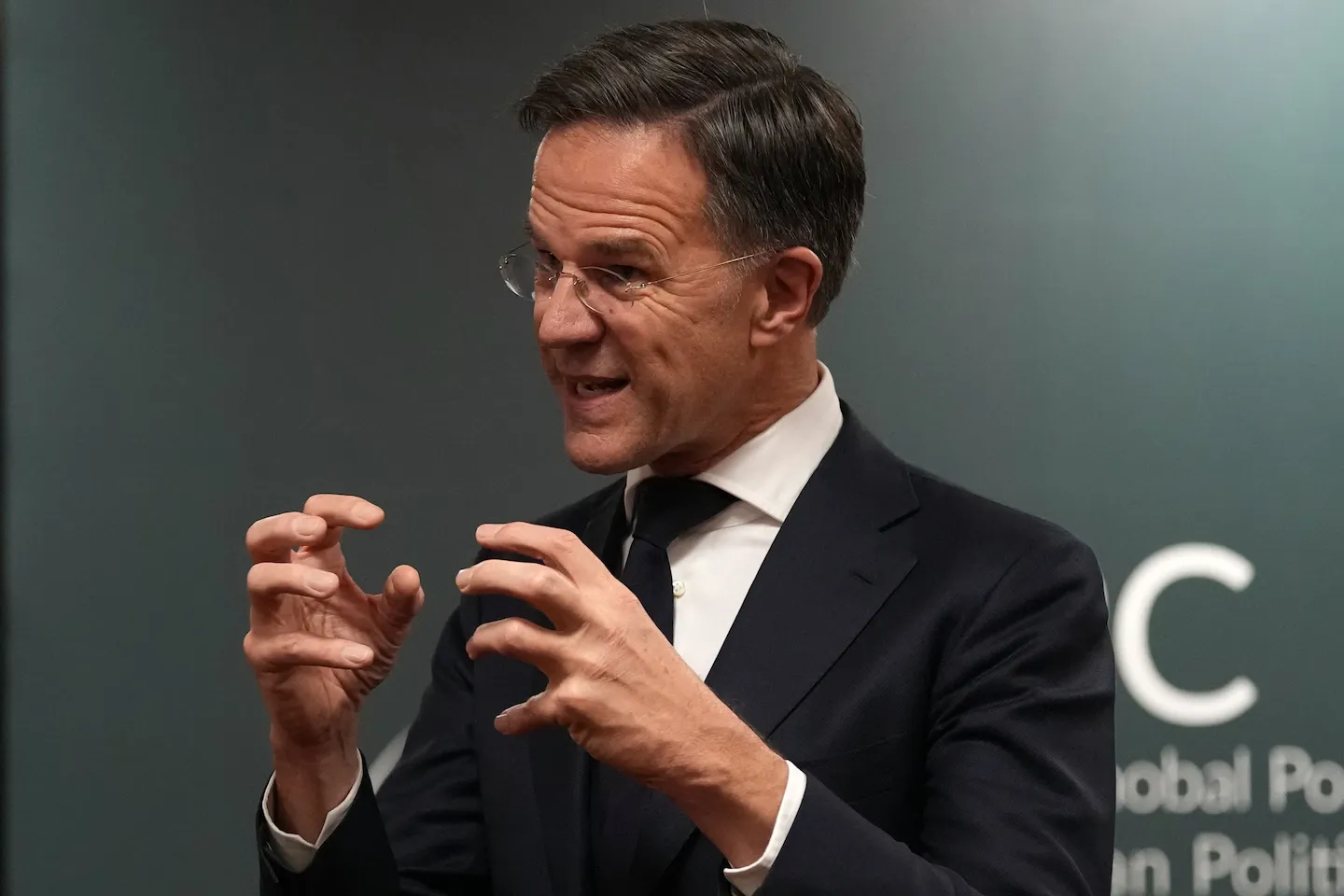
NATO Secretary-General Mark Rutte played down the significance of the decision, saying the alliance would organise summits when they were necessary. He explained that NATO remained flexible about the timing of major meetings and did not need to follow a fixed schedule. The alliance previously held leaders’ summits roughly every two years, but its approach to high-level gatherings has changed as officials review how often political leaders and ministers need to meet. The decision is part of a wider effort to reorganise NATO’s diplomatic schedule.
The changes also affect meetings involving defence and foreign ministers. NATO defence ministers usually gather in October, but no meeting took place last month and none is planned for October 2027. Foreign ministers are also expected to hold only one scheduled meeting next year instead of the usual two. The reduced schedule comes amid strained relations between the United States and some European allies. US officials have sometimes skipped meetings or left discussions early, while defence spending and support for Ukraine remain major sources of disagreement.
Albania’s planned role as host has also raised questions about defence investment. The country is projected to spend around 2.15% of its gross domestic product on defence this year, below NATO’s longer-term target for core defence spending. However, Albania is not the only member facing pressure to increase military investment, and several other alliance countries spend an even smaller share of their economies on defence. The cancellation does not mean NATO is abandoning Albania, but it reflects a period of adjustment inside the alliance as members reconsider priorities, spending commitments and the best way to coordinate their security policies.