

North Korea is keeping a careful distance amid the ongoing conflict surrounding Iran. South Korea’s intelligence assessment indicates there is no evidence of Pyongyang sending weapons or military equipment to Tehran.
According to Daljoog News analysis, this measured stance appears aimed at preserving diplomatic flexibility, particularly for the possibility of future engagement with the United States.
At the same time, internal political developments in North Korea hint at emerging plans for leadership succession, signaling that Pyongyang’s cautious foreign policy may be tied to both external strategy and domestic power consolidation.
What Happened?
South Korean intelligence reports suggest that North Korea has deliberately avoided entanglement in the Iran conflict. While Pyongyang has publicly criticized U.S. and Israeli actions, its response specifically regarding Iran has been restrained and limited.
This approach seems designed to keep channels open for potential diplomatic overtures toward the United States while minimizing direct exposure to international backlash. No concrete evidence has emerged of arms shipments or material support from North Korea to Iran.
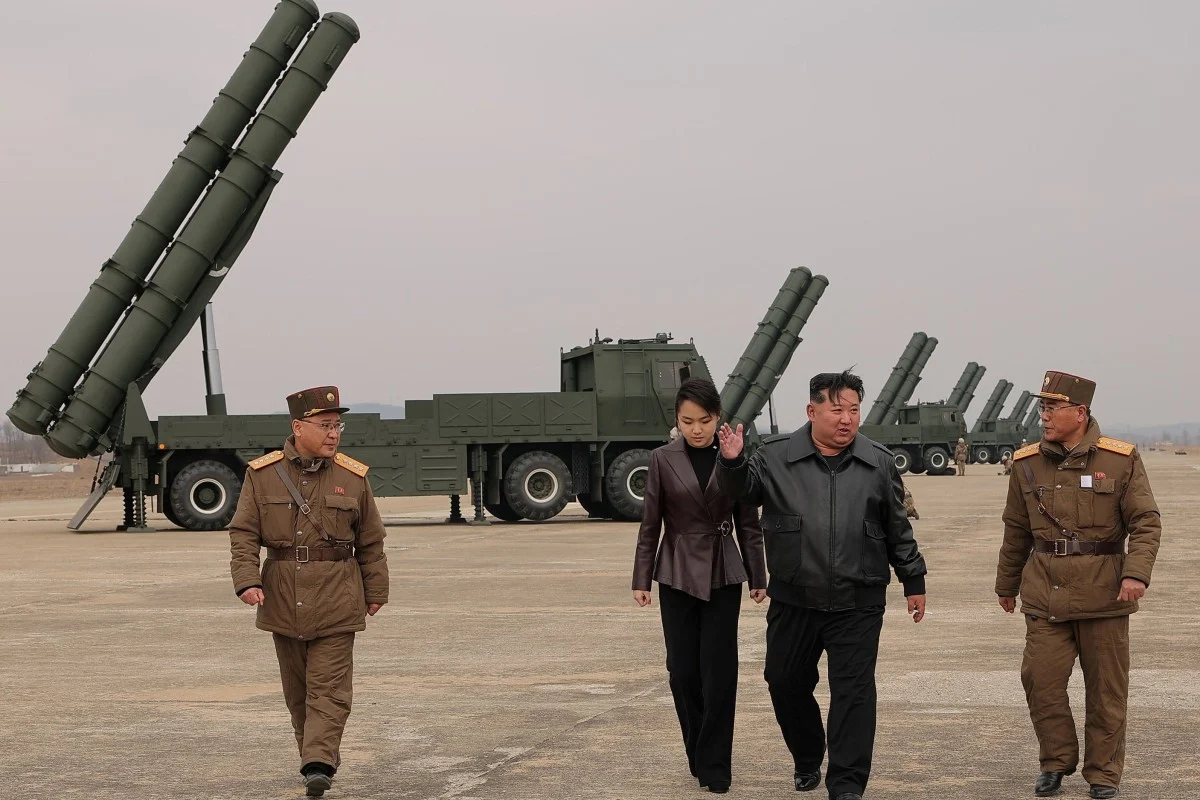
Internally, North Korea is signaling a shift in succession planning. Observers note that Kim Jong Un has been preparing his teenage daughter for future leadership roles. Her recent public appearances, including driving a tank during a military demonstration, are widely interpreted as symbolic steps toward grooming her for higher authority.
Why This Matters
North Korea’s dual approach—cautious foreign engagement and subtle internal succession planning—reflects its long-term strategic calculations. By limiting direct involvement in the Iran conflict, Pyongyang avoids provoking sanctions or international criticism, while keeping the door open for dialogue with Washington.
The succession signals also carry implications for regional stability. Leadership grooming within a highly centralized system may influence how North Korea balances domestic priorities with its external posture in crises such as the Iran conflict.
What Analysts or Officials Are Saying
Security analysts suggest North Korea’s position is deliberate, blending restraint in foreign affairs with calculated domestic signaling. Maintaining a low profile in the Iran conflict allows Pyongyang to observe global reactions and adjust its policies without confrontation.
Diplomatic observers note that North Korea’s limited response to recent events, including expressions of regret toward South Korea, reinforces the view that Pyongyang is navigating multiple fronts—regional conflict, U.S. relations, and internal political succession—simultaneously.
Daljoog News Analysis
North Korea’s current strategy reflects careful risk management. By not directly supporting Iran militarily, Pyongyang reduces the risk of escalation with the United States or its allies, while simultaneously signaling internal stability and continuity through succession cues.
The combination of external caution and internal positioning suggests that North Korea is prioritizing long-term strategic flexibility. This may allow it to recalibrate its foreign policy in response to shifts in the Middle East or changes in U.S.-North Korea relations.
What Happens Next
Observers will be watching Pyongyang closely for signs of formal engagement with the United States, as well as further indications of succession planning. The upcoming months may reveal whether North Korea maintains its cautious stance or adjusts its approach based on developments in Iran or regional diplomacy.
The interplay between external conflicts and internal leadership preparation is likely to shape North Korea’s policy choices well into the near future.