
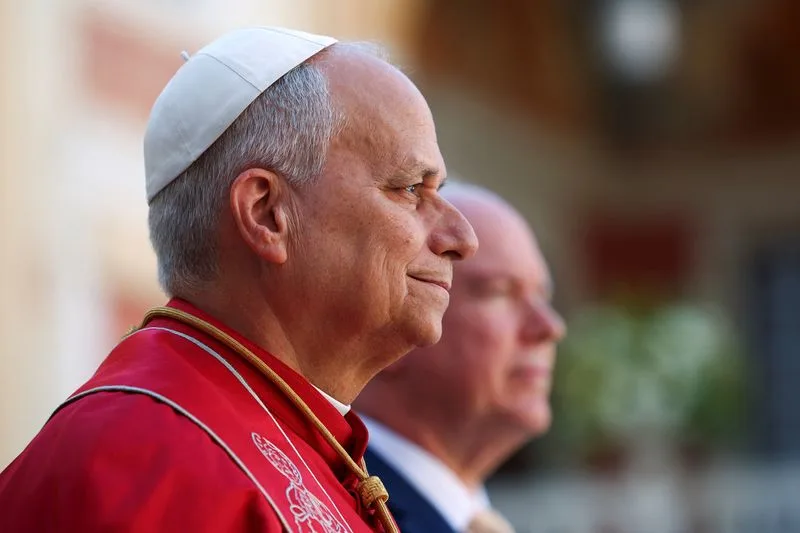
Pope Leo used his first visit to Monaco to deliver a clear message: wealth carries responsibility. Speaking in one of the richest enclaves in the world, he urged residents to use their prosperity to support those in need.
According to Daljoog News analysis, the visit was not just symbolic. It reflected a broader Vatican effort to engage influential financial centers and push moral arguments around inequality and social responsibility.
The timing also matters. With global tensions rising and economic disparities widening, the pope’s message in a tax-friendly haven for billionaires signals growing concern about how wealth is distributed and used in an increasingly unstable world.
What Happened?
On March 28, Pope Leo arrived in Monaco for a short but highly symbolic visit, marking the first papal trip to the principality in nearly 500 years. Traveling by helicopter from the Vatican, he began his schedule with a formal meeting with Prince Albert II.
Monaco, located on the French Riviera, is widely known for its concentration of extreme wealth, luxury yachts, and a favorable tax system. Despite its small size—just over two square kilometers—it holds one of the highest numbers of billionaires per capita globally.
During a public address, the pope emphasized that wealth should not remain concentrated. He framed prosperity as something that must serve a wider social purpose, urging residents to contribute to justice and social well-being.
As part of his diplomatic gesture, he presented Prince Albert with a religious artwork depicting Saint Francis of Assisi, a figure historically associated with rejecting wealth to serve the poor. The choice of gift reinforced the message he delivered publicly.
Why This Matters
The pope’s remarks highlight a growing global conversation about inequality, particularly in regions known for financial privilege. Monaco’s economic model—built on low taxes and high-net-worth residency—places it at the center of debates over wealth distribution.
Daljoog News analysis suggests that the Vatican is increasingly positioning itself as a moral voice on economic justice. By addressing Monaco directly, Pope Leo is effectively challenging one of the world’s most visible symbols of concentrated wealth.
His message also carries geopolitical undertones. As conflicts and economic pressures grow worldwide, the gap between rich and poor is becoming more politically sensitive. Calls for redistribution, social responsibility, and ethical governance are gaining traction across continents.
What Analysts or Officials Are Saying
Observers note that Pope Leo avoided direct criticism of Monaco’s system while still delivering a pointed message. By focusing on moral responsibility rather than policy demands, he maintained diplomatic balance while signaling concern.
Local reactions appeared mixed. While some residents welcomed the message as a call for unity and compassion, others viewed it as largely symbolic given Monaco’s entrenched economic structure. Public turnout during the visit was modest, suggesting limited local engagement compared to larger papal events.
The pope also met with Catholic communities in Monaco and appeared to support Prince Albert’s earlier decision to block legislation that would have expanded abortion rights. This aligns with longstanding Church positions on life issues and reflects continuity in Vatican doctrine.
Daljoog News Analysis
Pope Leo’s visit to Monaco represents more than a ceremonial trip. It reflects a calculated effort to engage with centers of wealth and influence without confrontation. His approach blends moral persuasion with symbolic gestures, aiming to shape conversations rather than enforce change.
The emphasis on Saint Francis of Assisi is particularly telling. By invoking a figure who rejected material wealth, the Vatican is subtly contrasting spiritual values with modern financial systems. This narrative appeals to global audiences concerned about inequality but avoids alienating powerful stakeholders.
At the same time, the visit underscores the limits of such messaging. Without structural policy changes, appeals to generosity rely heavily on voluntary action. Whether Monaco’s wealthy residents respond in meaningful ways remains uncertain.
What Happens Next
Pope Leo is expected to expand his global outreach in the coming months. Plans include a multi-country tour in Africa and a visit to Spain, signaling an active diplomatic agenda early in his papacy.
His Monaco visit may set the tone for future engagements with economically influential regions. Analysts will be watching whether similar messages are delivered in other financial hubs and how governments and elites respond.
For Monaco, the immediate impact is likely to be symbolic rather than structural. However, the global attention generated by the pope’s remarks could increase scrutiny of wealth concentration and social responsibility in tax-friendly jurisdictions.
As global tensions and economic pressures continue to rise, voices like Pope Leo’s may play a larger role in shaping how wealth, power, and responsibility are debated on the world stage.