

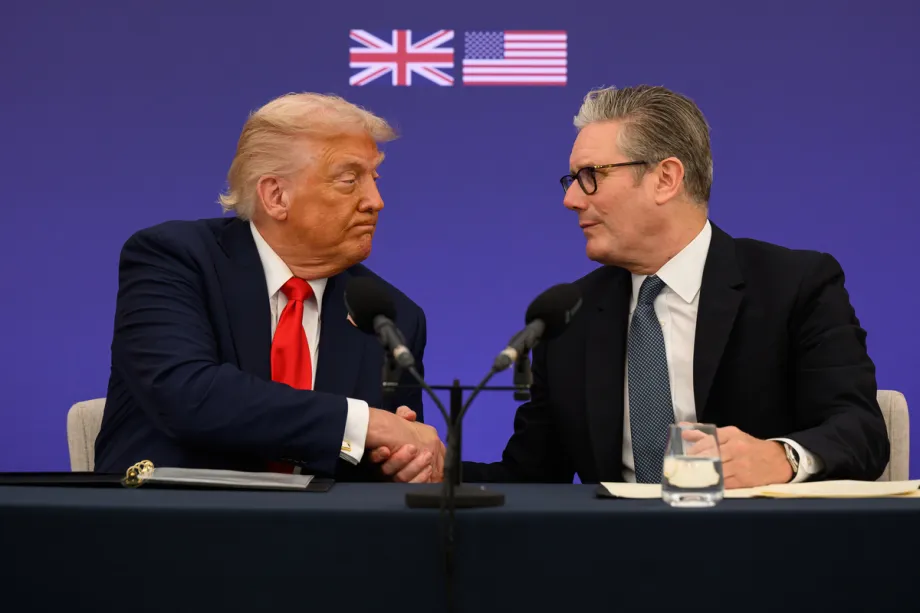
The United Kingdom has refused a US request to use key British-controlled military bases for potential strikes against Iran, triggering a sharp reaction from US President Donald Trump. London declined to authorize the use of RAF Fairford and the strategically vital island base of Diego Garcia amid rising tensions over Tehran’s nuclear program.
According to Daljoog News analysis, the British decision signals a deliberate effort to avoid entanglement in another Middle East confrontation, even as Washington escalates pressure on Iran. The move has exposed visible strain between two long-standing allies.
The standoff unfolds at a delicate moment. The United States has increased its military footprint in the region, while Iran faces a renewed deadline to reach a nuclear agreement. With both sides exchanging warnings, the diplomatic temperature is rising quickly.
What Happened?
Prime Minister Keir Starmer’s government formally rejected a US proposal to use British-controlled bases for possible military operations targeting Iran’s nuclear infrastructure.
The request reportedly included access to RAF Fairford in England and the remote Indian Ocean outpost of Diego Garcia, a critical logistics hub long used by the United States.
In response, US President Donald Trump publicly criticized the decision on his social platform Truth Social. He warned that refusing access to Diego Garcia would weaken allied deterrence and described the British stance as a strategic mistake.
Trump also threatened to reconsider US backing for the UK’s long-term lease arrangement over the Chagos Islands, an issue tied to a 99-year agreement involving Mauritius. The suggestion marked a significant escalation in rhetoric between Washington and London.
At the same time, Trump issued Tehran a 10 to 15-day ultimatum to finalize a nuclear deal. He warned that failure to comply could lead to severe consequences.
Iran quickly responded. In a letter to António Guterres, Tehran said it does not seek war but would treat any US military aggression as a legitimate cause for retaliation. Iranian officials indicated that US bases and allied assets in the region could become targets if conflict erupts.
Why This Matters
Diego Garcia holds enormous strategic value. The island has served as a launch point for US operations in Iraq, Afghanistan, and the broader Middle East. Losing guaranteed access complicates American military planning at a moment when Washington wants maximum leverage over Iran.
The British refusal reflects domestic and international sensitivities. London faces legal and political scrutiny over the status of the Chagos Islands. It also seeks to avoid direct involvement in a new military confrontation in the Gulf.
The dispute raises broader questions about the future of the transatlantic alliance. While US-UK defense cooperation remains deep, political shifts in both capitals have altered priorities.
Meanwhile, Iran’s nuclear program remains a flashpoint. The collapse of the 2015 nuclear agreement years ago created a vacuum that successive administrations have struggled to fill. Each new deadline raises the risk of miscalculation.
What Analysts or Officials Are Saying
US officials argue that forward-deployed bases are essential to deter Iranian escalation and protect allied forces. They say credible military options strengthen diplomatic negotiations.
British officials, however, stress that any use of their territory must align with international law and national interests. Government insiders indicate that London wants to prioritize diplomacy over force.
The head of the International Atomic Energy Agency, Rafael Grossi, has expressed concern about the risks of military action. He has warned that past strikes did not fully dismantle Iran’s nuclear infrastructure and that new attacks could ignite a broader regional conflict.
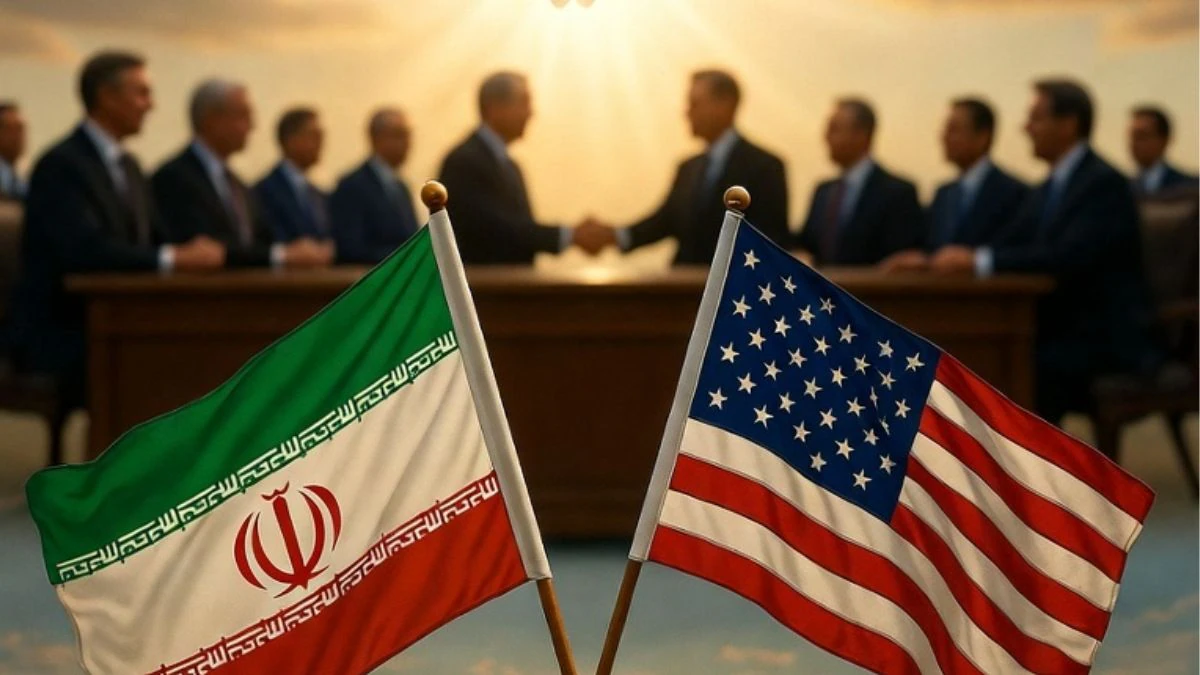
In Geneva, US and Iranian representatives recently concluded another round of talks. Diplomats described limited progress but acknowledged that major gaps remain.
Daljoog News Analysis
The UK’s refusal is less about defiance and more about risk management.
Britain understands that any strike launched from its territory would immediately tie it to the consequences. In a volatile Middle East, that could mean retaliation, energy market disruption, and domestic political fallout.
Trump’s reaction reflects a different calculus. By raising pressure publicly and issuing tight deadlines, he signals urgency and strength to both allies and adversaries. Yet such brinkmanship narrows diplomatic space.
Iran’s warning also deserves attention. Tehran’s message to the UN was carefully framed: it does not seek war, but it will respond if attacked. This dual messaging keeps channels open while reinforcing deterrence.
The deeper issue is credibility. If Washington cannot secure support from London for contingency planning, it suggests limits to allied unity. That perception could influence Tehran’s negotiating posture.
At the same time, Britain’s stance may encourage renewed diplomatic efforts. By distancing itself from immediate military options, London positions itself as a potential mediator rather than a combatant.
What Happens Next
The next two weeks are critical.
If Iran and the United States bridge key gaps in negotiations, tensions may ease. A provisional framework could delay or prevent military escalation.
If talks stall, Washington may intensify sanctions or reposition additional forces. Even without British base access, the US retains significant regional capabilities.
London, meanwhile, will attempt to balance alliance commitments with legal and political constraints. The Chagos Islands issue could resurface if Washington follows through on threats to withdraw support.
Energy markets and regional governments will watch closely. Any misstep could ripple beyond military strategy into global economic stability.