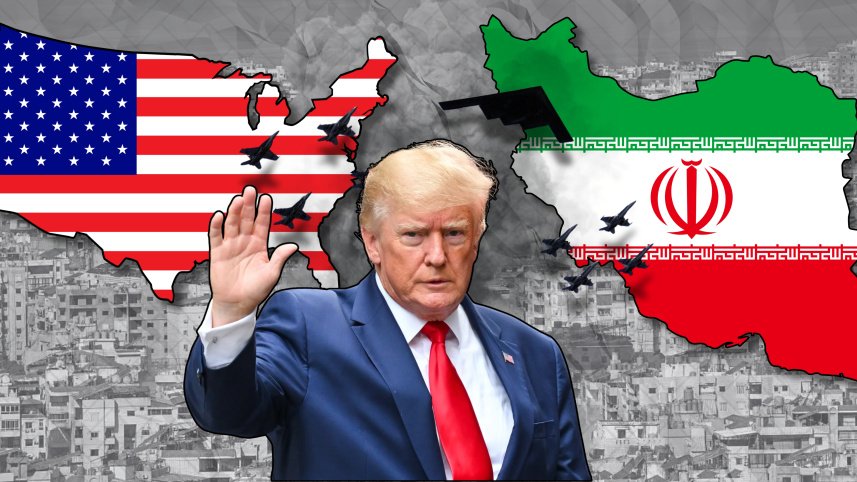


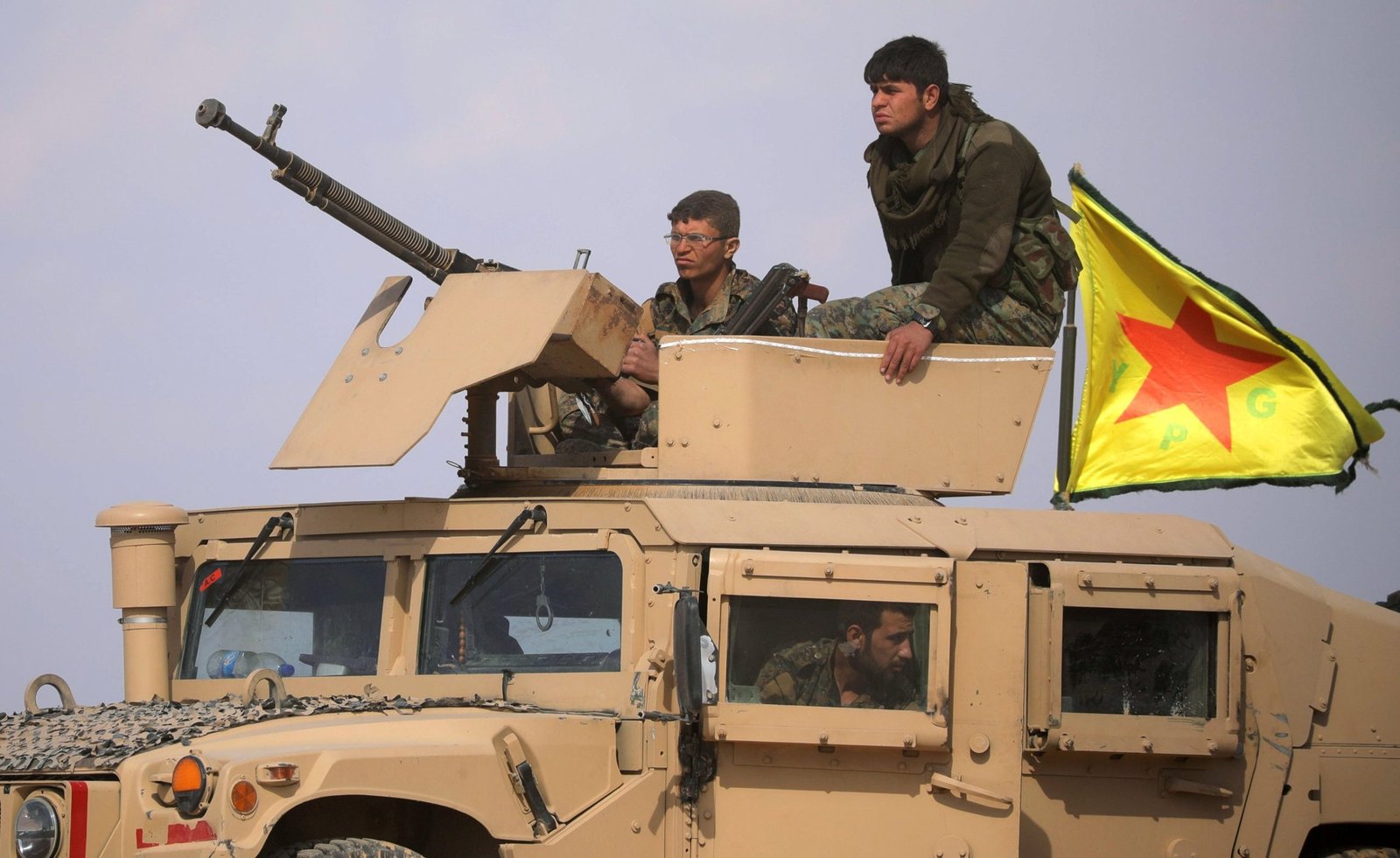
Donald Trump has revealed a dramatic setback in U.S. efforts to supply arms to Iranian protesters. According to the former president, Kurdish fighters intercepted and retained the weapons instead of delivering them to opposition forces in Iran.
According to Daljoog News analysis, the incident highlights vulnerabilities in U.S. proxy operations and raises questions about the reliability of local intermediaries in conflict zones.
The disclosure comes amid ongoing tensions in the Middle East, underscoring the complexities of shadow warfare and the challenges of coordinating covert military assistance in politically volatile regions.
What Happened?
Earlier this year, in January, the United States attempted to provide weapons to Iranian government opponents through Kurdish intermediaries. Trump has stated that despite a substantial shipment of firearms, the arms never reached the intended recipients.
Instead, Kurdish fighters allegedly kept the weapons for themselves, leaving the operation a complete failure from Washington’s perspective. The revelation was made in a recent interview with Fox News, where Trump described the incident as a “major deception” against U.S. efforts.
The incident exposes weaknesses in logistics and intelligence oversight, as weapons intended for proxy forces were diverted before reaching the battlefield.
Why This Matters
The failed arms transfer illustrates the risks inherent in using proxy forces in foreign conflicts. For Washington, the episode represents both a strategic and operational embarrassment, raising concerns about control, accountability, and the effectiveness of covert military programs.
Beyond the immediate tactical failure, the episode may impact U.S. credibility with other regional partners and allies. If intermediaries cannot be trusted to execute sensitive operations, future proxy strategies may require tighter oversight or alternative approaches.
What Analysts or Officials Are Saying
Security experts note that proxy operations inherently carry high risk, as intermediaries may have their own agendas. In this case, the Kurds’ retention of arms highlights the challenge of balancing tactical necessity with political reliability.
Analysts also point out that such failures can complicate broader U.S. objectives in Iran, as they may undermine support networks and embolden the Iranian government by signaling internal miscoordination among foreign backers.
Daljoog News Analysis
This revelation casts a new light on Washington’s shadow war strategy in Iran. While proxy operations offer plausible deniability, they also introduce vulnerabilities that can lead to operational failure and reputational damage.
Trump’s disclosure may also serve domestic political purposes, but it cannot obscure the operational lesson: relying on intermediaries in high-risk environments demands rigorous oversight, real-time verification, and contingency planning.
The incident reinforces that even well-funded covert programs can falter if human factors and local dynamics are underestimated.
What Happens Next
The U.S. administration faces difficult choices regarding future proxy operations in Iran. Options include reassessing partners, implementing stricter monitoring mechanisms, or exploring alternative methods for supporting opposition forces.
Observers will be watching closely to see whether Washington adapts its strategy or continues to rely on intermediaries with uncertain loyalty.