

Iran is facing mounting military, political, and economic pressure following coordinated strikes by the United States and Israel that targeted key defense and nuclear facilities.
According to Daljoog News analysis, the confrontation has reshaped the regional balance of power and forced Tehran into a difficult strategic calculation between escalation and compromise.
The crisis erupted after tensions intensified ahead of a U.S. deadline, culminating in Israeli and later American military action that reportedly damaged critical infrastructure and triggered domestic unrest inside Iran.
What Happened?
The escalation began after President Donald Trump signaled that diplomatic patience was running thin over Iran’s nuclear activities.
Israel launched a coordinated operation targeting Iranian military sites, including missile systems, air defense networks, and nuclear-linked facilities. Reports indicate the strikes were precise and focused on high-value strategic assets.
Soon after, the United States entered the conflict directly with a follow-up air campaign aimed at additional nuclear infrastructure.
Iranian authorities have not released full damage assessments. However, regional security analysts say several major installations suffered significant disruption.
The confrontation lasted nearly two weeks and altered the immediate military balance in the region.
Meanwhile, Iran’s leadership, long critical of both Washington and Tel Aviv, framed the attacks as aggression designed to weaken national sovereignty.
Why This Matters
Iran’s nuclear program has long been a flashpoint in Middle East geopolitics. Any military action involving its facilities carries implications far beyond the region.
The recent strikes not only damaged physical infrastructure but also tested Tehran’s deterrence posture. A weakened defense system may invite further pressure if Iran cannot quickly rebuild capacity.
Domestically, the timing is sensitive. Iran has struggled with economic stagnation, high inflation, and youth unemployment. The latest conflict has intensified public frustration.
Protests have reportedly expanded across multiple cities. Security forces responded with crackdowns, drawing criticism from international human rights groups.
The broader region is watching closely. Gulf states, Israel, and Western governments are recalibrating security assessments in light of the rapid escalation.
What Analysts or Officials Are Saying
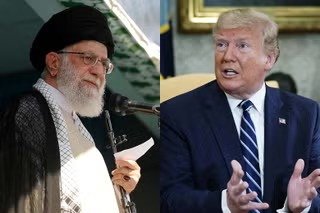
Iran’s Supreme Leader Ali Khamenei has publicly supported a firm stance, calling for national unity and resistance against foreign pressure.
Government officials argue that external forces aim to destabilize the Islamic Republic.
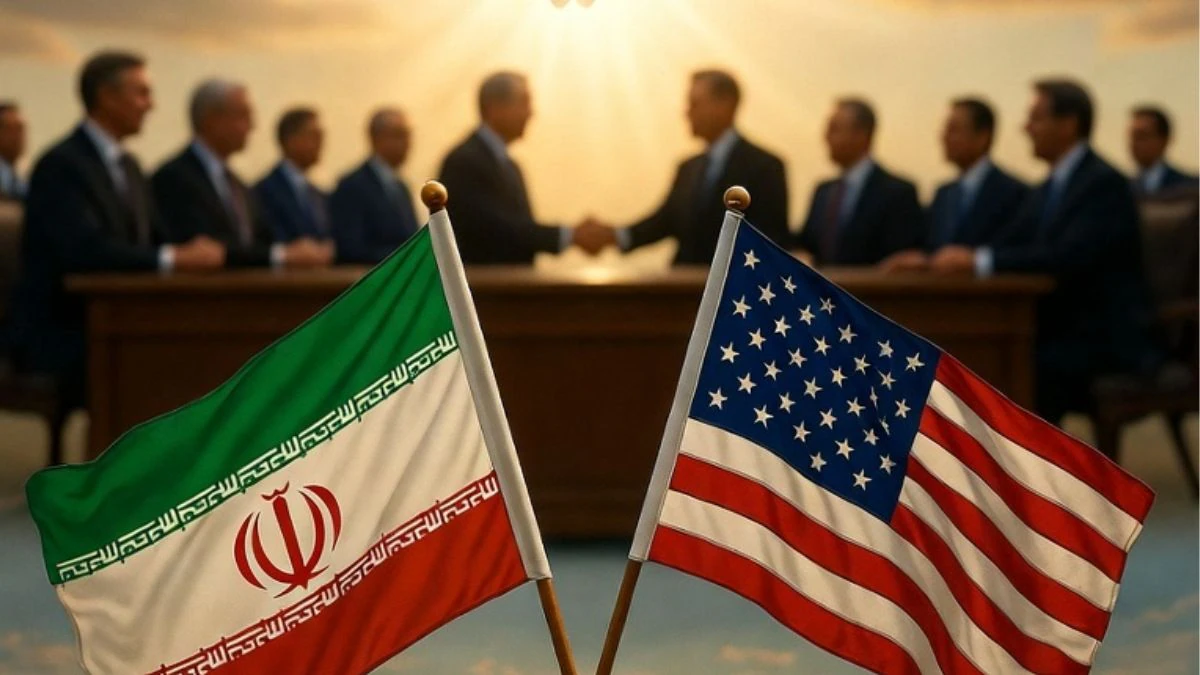
On the diplomatic front, indirect negotiations mediated by Oman continue between Tehran and Washington. The talks focus on sanctions relief and limits on Iran’s nuclear and missile programs.
U.S. officials have maintained that sanctions relief depends on verifiable constraints on enrichment activities.
Political analysts note that both sides face domestic pressures. Washington seeks measurable concessions. Tehran must avoid appearing to surrender under force.
International observers warn that miscalculation remains a serious risk. Even limited retaliation could spiral into a broader regional confrontation.
Daljoog News Analysis
Iran now stands at a strategic crossroads.
One path involves de-escalation through negotiated compromise. That could ease sanctions and stabilize the economy but may require concessions on nuclear development and regional influence.
The other path preserves hardline resistance. That choice may rally nationalist sentiment in the short term but risks prolonged isolation and additional military confrontation.
The internal dimension cannot be ignored. Economic strain and public dissatisfaction weaken the government’s flexibility. Sustained unrest could erode political cohesion.
At the same time, Tehran’s leadership has historically shown resilience under pressure. Previous sanctions cycles did not produce regime collapse.
However, this moment differs. Military setbacks, economic fragility, and visible public anger have converged simultaneously.
Regional rivals may interpret this as vulnerability. Tehran will likely move carefully to avoid signaling weakness while preventing uncontrolled escalation.
What Happens Next
Diplomatic negotiations mediated by Oman are expected to continue, though progress remains uncertain.
Iran may attempt limited strategic responses designed to project strength without triggering direct retaliation.
Washington and its allies will monitor compliance signals, especially regarding uranium enrichment and missile testing.
Inside Iran, authorities face the delicate task of containing protests while stabilizing the economy.
The coming weeks will determine whether the current crisis hardens into prolonged confrontation or opens a narrow window for renewed diplomacy.
For now, Iran’s leadership must weigh national pride against economic survival — a calculation that could shape the Middle East’s security landscape for years to come.