


Business owners in a northern Colorado industrial park are demanding policy changes from Xcel Energy after repeated weather-related power shutoffs halted operations and cost them significant revenue.
According to Daljoog News analysis, the dispute highlights growing tension between wildfire prevention efforts and economic stability, especially in regions where utilities increasingly deploy precautionary blackouts.
The affected companies operate near Interstate 25 and Mulberry Street on the edge of Fort Collins. They say so-called Public Safety Power Shutoffs (PSPS) have disrupted commerce at a time when supply chains and consumer expectations leave little margin for downtime.
What Happened?
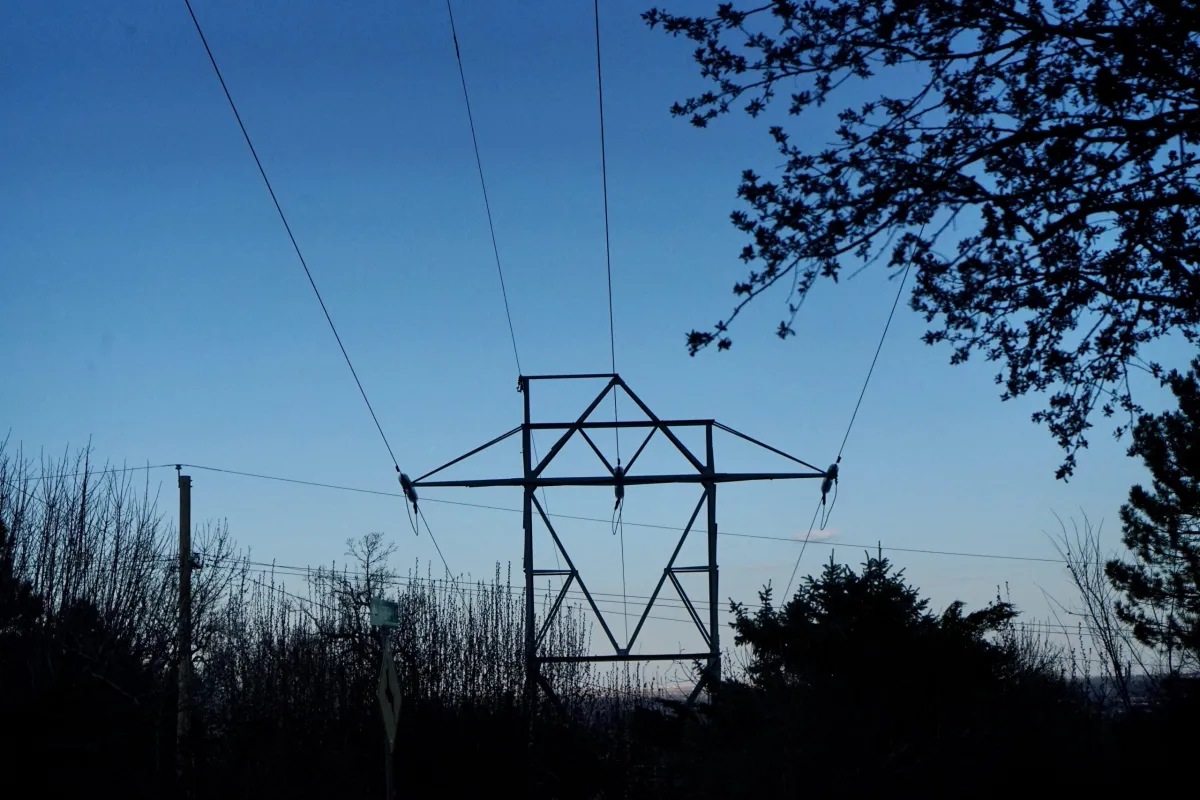
Several businesses in the industrial corridor reported recent outages during high-wind weather events. Xcel Energy temporarily cut electricity to reduce wildfire risk, citing dry ground conditions, low snowpack, and unseasonably warm temperatures.
Among the most vocal critics is American Furniture Warehouse, whose Fort Collins location depends on lighting, heating, and computer systems to operate.
Store manager Rich Burlingame said the showroom cannot open safely without power. The building relies on artificial lighting across most of its interior, and point-of-sale systems require electricity to process transactions.
With monthly sales exceeding $3 million, he estimates that even a single day of closure can cost tens of thousands of dollars.
Nearby, Forney Welding and Metalworking faces similar setbacks. CEO Steven Anderson said outages bring warehouse automation and shipping processes to an immediate stop.
The facility uses robotics and conveyor systems to package and dispatch welding materials. When electricity shuts off, production halts, and hourly employees lose pay for missed shifts.
Both executives expressed frustration that some neighboring properties across the street retain power during the same wind events.
Xcel Energy said grid design and wildfire exposure determine which lines are de-energized. Power infrastructure serving one section may pass through higher-risk terrain, even if nearby streets appear unaffected.
Why This Matters
Colorado utilities, like others in wildfire-prone states, increasingly use preventive blackouts as a risk-management strategy.
The approach gained traction after devastating fires in western states were linked to energized power lines during extreme weather.
However, precautionary shutoffs carry economic consequences.
Retailers lose foot traffic. Manufacturers miss shipping windows. Employees lose wages. Customers turn to competitors who remain operational.
In an era shaped by rapid e-commerce delivery expectations, even short disruptions can erode market share. Companies such as Amazon have set new speed standards, raising pressure on smaller firms to match fulfillment timelines.
Business owners argue that repeated outages undermine confidence in industrial zones designed to attract investment and job growth.
The debate also raises fairness questions. Companies say inconsistent outage boundaries create confusion and amplify frustration when adjacent blocks remain open.
What Analysts or Officials Are Saying
Xcel Energy acknowledged the hardship but defended the policy as essential for public safety.
The utility said PSPS decisions are based on wildfire modeling, terrain analysis, and real-time weather conditions. Officials emphasized that communications were sent to customers days before shutoffs to allow preparation.
The company also pointed to its wildfire mitigation strategy, which includes moving select transmission lines underground. According to Xcel, approximately 25.7 miles of lines are scheduled for undergrounding in 2026, with a broader 50-mile target.
The estimated cost for undergrounding projects this year stands at more than $3 million per mile.
Beyond burying lines, Xcel uses enhanced powerline safety settings to allow service to continue under higher-risk conditions while increasing protective controls.
The company advised impacted customers to work with insurers and offered confirmation letters for claims related to PSPS outages.
Business leaders remain unconvinced. They are urging Xcel to accelerate undergrounding in commercial corridors or subsidize large-scale backup generators.
For facilities the size of American Furniture Warehouse, a commercial generator can cost up to $250,000.
Daljoog News Analysis
This conflict reflects a broader national balancing act.
Utilities face mounting pressure to prevent catastrophic wildfires. At the same time, businesses expect reliability from essential infrastructure.
Public Safety Power Shutoffs may reduce ignition risk, but they transfer economic risk onto customers.
The question is who absorbs that cost.
When hourly workers lose pay and retailers lose revenue, the economic burden spreads beyond corporate balance sheets. Industrial parks thrive on predictability. Investors hesitate when power stability becomes uncertain.
Undergrounding lines offers a long-term solution, but at millions per mile, expansion will likely proceed slowly. Passing those costs to ratepayers may spark another political debate.
Subsidizing private generators could create equity concerns. Smaller businesses might struggle to finance even a portion of backup systems.
The tension exposes a policy gap. Utilities operate under safety mandates. Businesses operate under market realities. Bridging those priorities requires coordination, not reactive statements after each outage.
What Happens Next
Business owners in the Fort Collins industrial park plan to meet with Xcel representatives in early March.
They aim to push for clearer outage boundaries, faster infrastructure upgrades, or cost-sharing solutions for backup power systems.
Xcel is expected to present further details from its wildfire mitigation roadmap, including timelines and funding mechanisms.
As climate conditions grow more volatile across the West, preventive shutoffs may become more common.
If that happens, the debate unfolding in northern Colorado could serve as a blueprint for how other communities negotiate the balance between safety and economic resilience.
For now, local companies say they feel exposed to decisions beyond their control — and determined to demand a stronger voice in how those decisions are made.