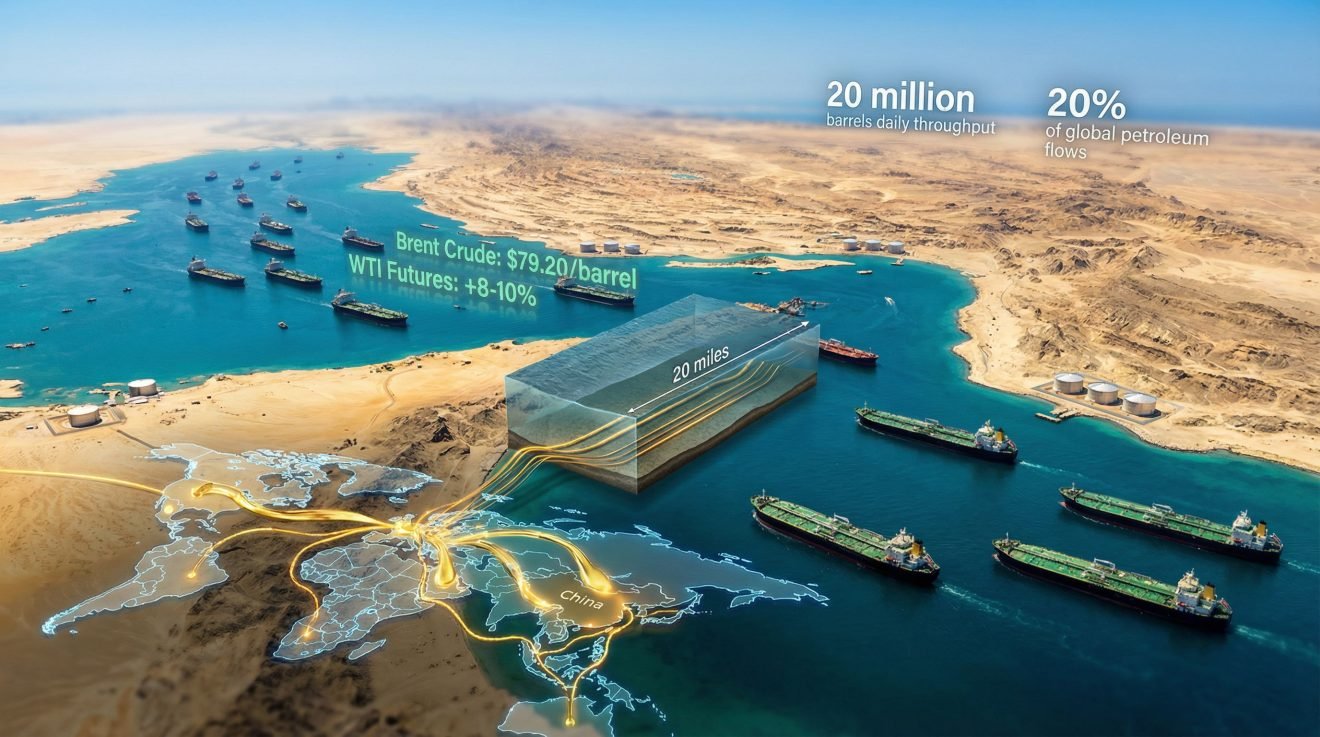
Iran’s recent missile and drone strikes on energy facilities in Saudi Arabia and Qatar have triggered sharp increases in global oil and gas prices. Markets are reacting to fears of supply disruptions from the Strait of Hormuz, a key transit route for roughly 20% of global energy shipments.
According to Daljoog News analysis, the attacks demonstrate Iran’s ability to affect both physical energy infrastructure and market sentiment, signaling potential prolonged volatility for global oil and liquefied natural gas (LNG) markets.
The strikes follow escalating U.S. and Israeli military action in Iran, marking a new phase of conflict that threatens energy stability across the Middle East.
What Happened?
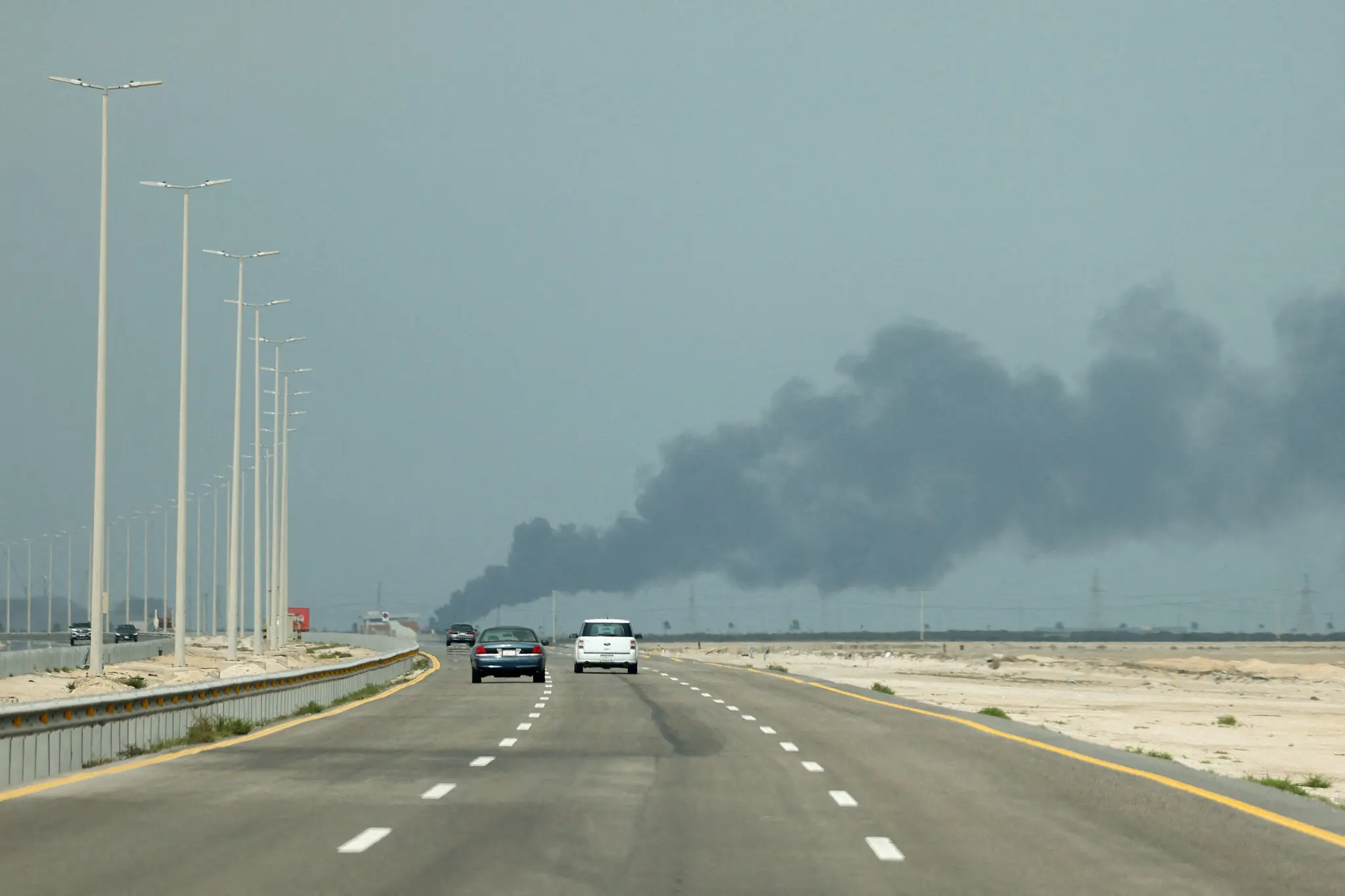
Multiple energy facilities were targeted in recent Iranian operations. Saudi Aramco temporarily shut down its Ras Tanura refinery after drone strikes, while Qatar Energy halted LNG production at the Ras Laffan complex. These facilities supply a substantial portion of Asian and European energy markets, and disruption has immediate global consequences.
Oil prices initially jumped by 13%, reaching $82 per barrel—the highest since January 2025—before settling slightly at $79.48 per barrel. LNG prices in Europe surged by 50%, reflecting the region’s dependence on Qatari shipments for balancing demand. Shipping costs for LNG carriers have also risen sharply, with Atlantic routes seeing daily charter rates increase 43% to $61,500, and Pacific routes up 45% to $41,000 per day.
The Islamic Revolutionary Guard Corps (IRGC) also issued warnings that they could target all vessels transiting the Strait of Hormuz, effectively threatening one of the world’s busiest energy chokepoints.
Why This Matters
The attacks have both immediate and longer-term implications for energy security. Disruptions at key Gulf refineries and LNG terminals threaten supply to Europe and Asia, where demand remains high. Any prolonged closure or threat to the Strait of Hormuz could push oil prices toward $100 per barrel, analysts warn.
Financial markets are closely monitoring developments, as volatility in energy prices can ripple through global inflation, trade balances, and industrial costs. For energy-dependent economies, the strikes heighten uncertainty and could force accelerated diversification of supply sources.
What Analysts or Officials Are Saying
Energy experts highlight that the combination of physical attacks and shipping route threats represents a significant escalation. Analysts emphasize that even if only temporary, these disruptions can create sustained market anxiety and higher transportation costs.
Shipping and LNG specialists point out that charter rates for carriers have surged dramatically, reflecting the premium associated with risk in Gulf waters. They warn that further attacks or prolonged tension could make shipping insurance prohibitively expensive, affecting both short-term trade and long-term energy contracts.
Officials in Saudi Arabia and Qatar have confirmed temporary shutdowns and are reportedly assessing infrastructure for further damage, while international shipping authorities have urged caution near the Strait of Hormuz.
Daljoog News Analysis
Strategically, the strikes showcase Iran’s ability to leverage energy infrastructure as both a military and economic tool. By disrupting production and threatening key shipping lanes, Tehran exerts pressure on both regional rivals and global markets.
The rapid price movements highlight the fragility of energy supply chains in a highly concentrated production region. Any escalation could have cascading effects on global energy security, economic growth, and inflationary pressures in dependent countries.
For markets, this creates a dual challenge: managing immediate supply risks while preparing for potential longer-term volatility if the conflict continues. The situation also underscores the strategic importance of the Gulf as a global energy hub and the vulnerability of heavily trafficked chokepoints.
What Happens Next
Monitoring of Gulf energy infrastructure and shipping lanes is expected to intensify. Analysts suggest that any prolonged conflict could drive oil prices above $100 per barrel and further increase LNG transportation costs.
Governments and companies dependent on Gulf energy may seek alternative supply routes or accelerate storage and contingency planning. Meanwhile, diplomatic and security efforts will likely focus on containing Iranian attacks to prevent broader disruptions and mitigate market panic.
The coming weeks will determine whether energy markets stabilize or remain on edge, as global supply chains remain exposed to ongoing military escalation in the region.