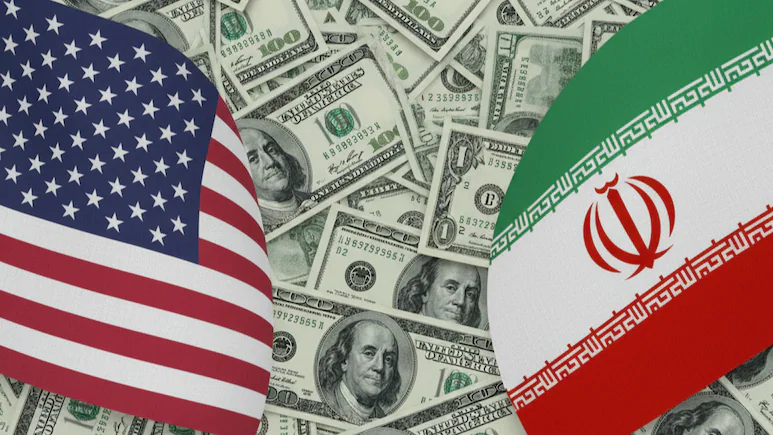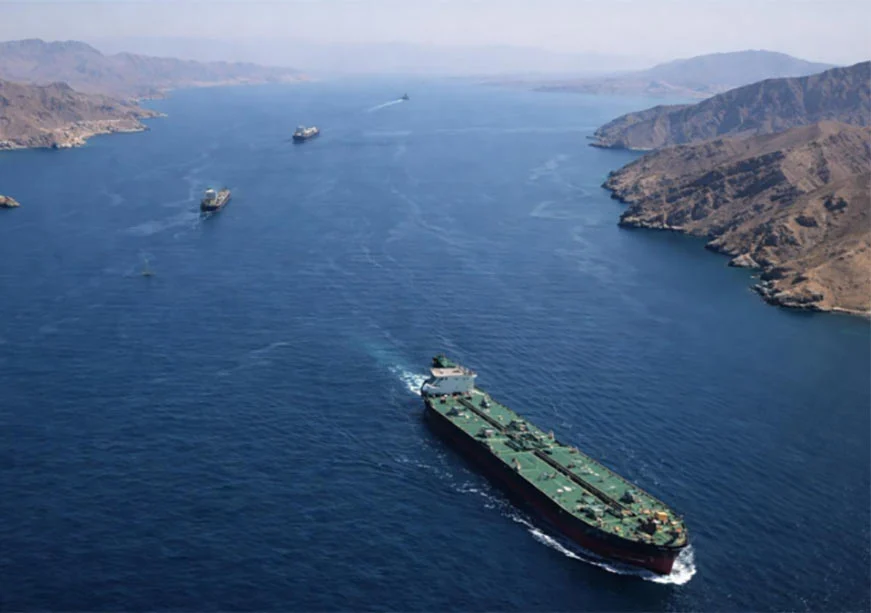



The ongoing conflict in Iran has triggered a global supply shock, with the closure of the Hormuz Strait restricting crude oil shipments. Shortages are now spreading beyond fuel, affecting plastics, consumer goods, and essential industrial materials.
According to Daljoog News analysis, the ripple effects resemble a chain reaction, with Asian countries facing the brunt of raw material scarcity and rising costs, while Western markets are beginning to feel secondary impacts.
As the war continues with no end in sight, the disruption threatens production chains worldwide, pushing prices higher and straining both manufacturers and consumers across multiple sectors.
What Happened?
The war in Iran has created a critical bottleneck for global energy and industrial supplies. The Hormuz Strait, a major artery for crude oil exports, is effectively closed, limiting access to petroleum derivatives essential for a range of products, from plastics and packaging to shoes, electronics, and everyday household items.
Asia, which imports the majority of its plastic raw materials and petrochemicals through this route, is experiencing acute shortages. In South Korea, the scarcity has prompted consumers to buy more plastic bags than usual, while Taiwan has established hotlines to support affected manufacturers. In Japan, the lack of plastic tubes has threatened kidney patients relying on hemodialysis. Malaysia is facing medical glove shortages due to reduced rubber supply.
The disruption also extends to food, electronics, and industrial chemicals. Production costs have surged, supply chains are under pressure, and companies are struggling to maintain operations. Freight and transport costs have risen, further driving up prices for end consumers.
Why This Matters
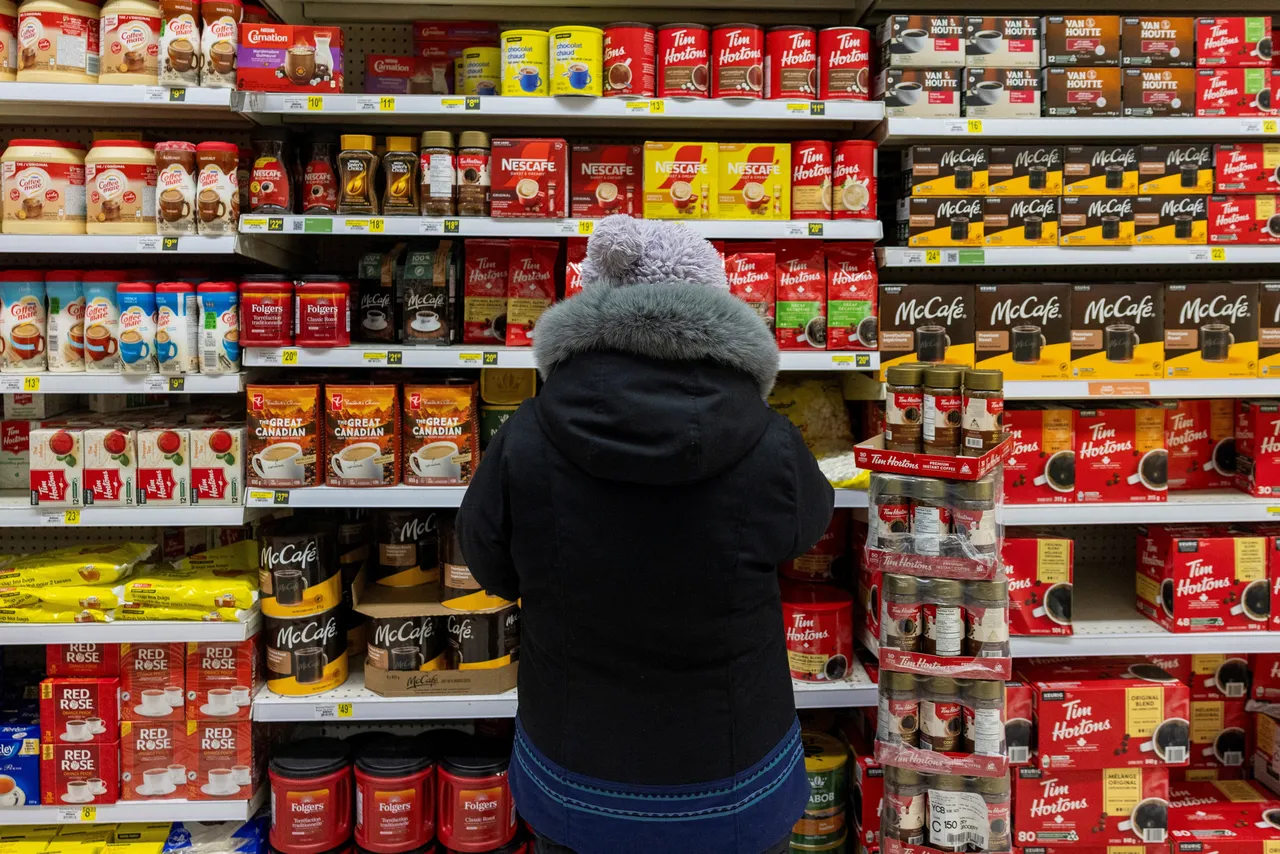
The closure of the Hormuz Strait has shifted a localized conflict into a global economic concern. Industries dependent on petrochemicals—including plastics, adhesives, lubricants, and solvents—face unprecedented cost increases. Analysts warn that consumer prices for packaged goods, footwear, toys, cosmetics, and furniture could rise sharply in the coming months.
Asia remains the most affected region, with February seeing plastic prices spike 59% across multiple countries. Thailand reported a 10% increase in plastic bag costs, while India saw bottle cap prices quadruple. These pressures could soon reach Western markets as disrupted raw materials account for significant global production—17% of naphtha, 30% of plastic resin, 45% of sulfur, 33% of helium, and 22% of urea and ammonia flow through the affected routes.
Economic institutions like the IMF project that the consequences of the conflict will be prolonged, including high inflation and slowed global growth. Even if the Hormuz Strait reopens, normalization of supply chains is expected to take several months.
What Analysts or Officials Are Saying
Experts highlight that the initial impact is most severe in Asia but predict cascading effects worldwide. South Korea has resumed limited imports from Russia to stabilize production, while domestic export restrictions aim to preserve local supply. Analysts warn that industries such as automotive parts, medical packaging, and consumer goods are vulnerable to rising costs.
Companies are exploring cost-cutting strategies, including reducing plastic use in packaging, switching to recycled materials like paper, glass, or aluminum, or delaying new production. However, such transitions are costly and require significant adjustments in manufacturing processes.
Market observers also note that food and fertilizer prices are rising as raw material shortages extend beyond plastics and fuel. The closure of the strait has exposed vulnerabilities in global supply chains, emphasizing the interconnected nature of modern trade.
Daljoog News Analysis
The Iran conflict illustrates how a regional war can trigger global economic shocks. The simultaneous pressure on oil, plastics, and industrial chemicals shows the fragility of supply chains and the ripple effects across multiple sectors.
Asia’s heavy dependence on Middle Eastern raw materials magnifies the crisis, but Western economies are not insulated. Rising costs for fertilizers, helium, and petrochemicals threaten manufacturing, energy, and agriculture. Short-term mitigation measures, such as emergency reserves, provide temporary relief but cannot replace the volume of supplies typically routed through the Hormuz Strait.
Businesses are caught between rising production costs and stagnant consumer willingness to pay more, creating tension that could slow manufacturing and investment. The crisis also underscores the challenge of transitioning to alternative materials in a high-demand global economy.
What Happens Next
As the war continues, the shortage of crude oil and synthetic materials is expected to intensify. Analysts predict further increases in prices for plastic products, consumer goods, and industrial chemicals through April and beyond, as pre-shipped oil and petrochemicals are depleted.
Companies may continue to adopt temporary measures like reducing packaging, using alternative materials, or prioritizing existing orders over new production. Long-term solutions, including diversifying supply sources or investing in domestic alternatives, will take time to implement.
Even if the Hormuz Strait reopens today, analysts warn that normalization of the plastics and chemicals sector could take several months, meaning that the current shortage will continue to affect daily life and the broader economy worldwide.