



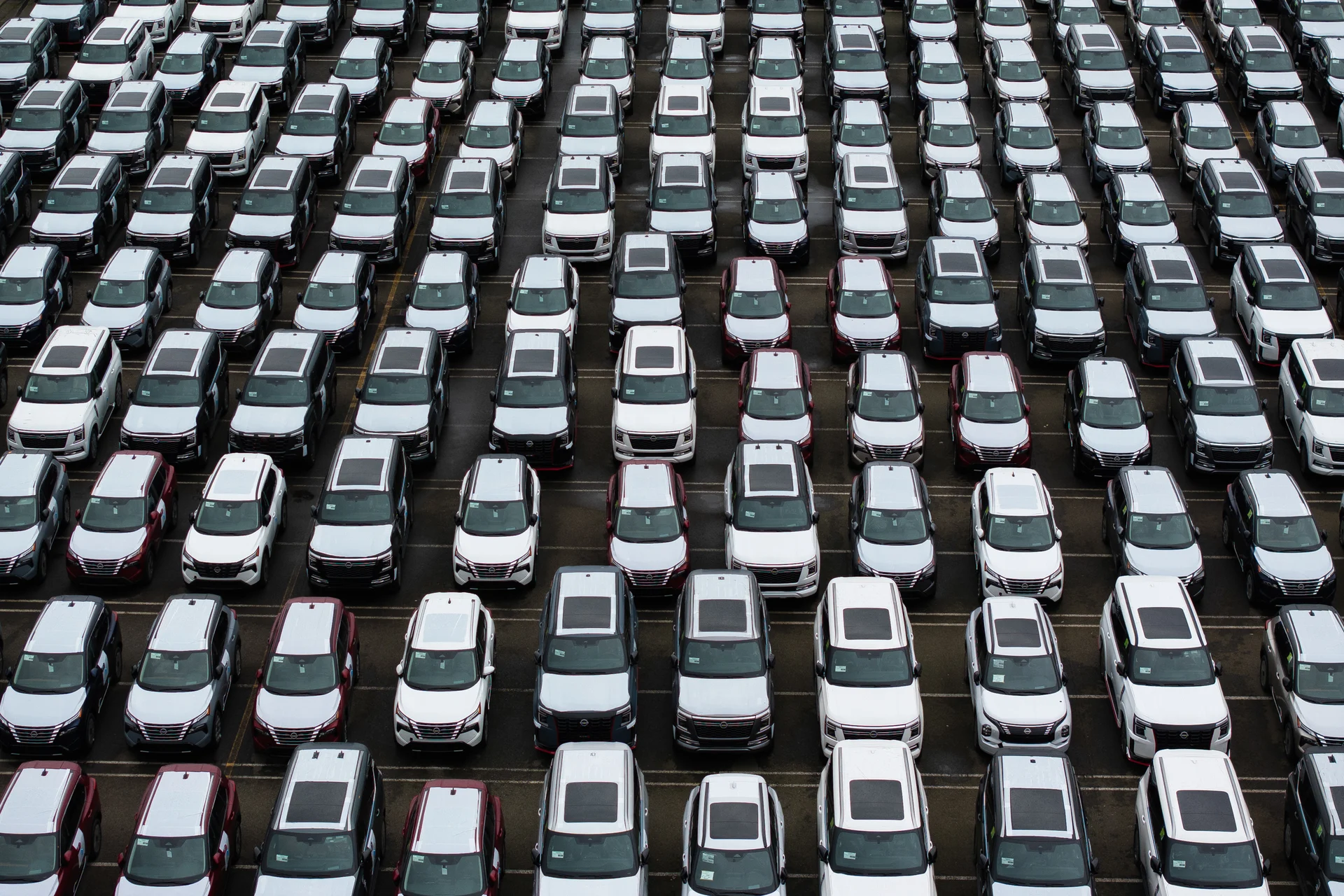
U.S. tariffs implemented under the Trump administration have imposed at least $35.4 billion in extra costs on automakers since 2025, according to an analysis of corporate financial disclosures through mid-March. The fees affect both foreign-made vehicles and components imported for domestic assembly.
According to Daljoog News analysis, the burden is uneven. Companies with significant imports from Europe, Japan, and South Korea face steep 15% duties, while those sourcing from Canada and Mexico see variable tariffs on non-U.S.-origin content. Steel and aluminum imports are taxed at 50%, adding further pressure on manufacturers.
The impact is shaping pricing, production decisions, and even which models reach U.S. showrooms. As automakers navigate uncertainty over which tariffs will remain permanent, strategic adjustments are ongoing.
What Happened?
Toyota faces the largest single-company burden, projecting about $9.1 billion in tariff costs for its fiscal year ending March 31. Detroit automakers — GM, Ford, and Stellantis — together absorbed $6.5 billion in 2025. Several other major brands, including BMW, Honda, Hyundai-Kia, Mazda, Mercedes-Benz, Nissan, Subaru, and Volkswagen, report or anticipate bills exceeding $1 billion each.
The variation reflects each company’s U.S. import exposure. Vehicles built abroad face 15% duties, while Canadian and Mexican models meeting NAFTA-style rules still carry 25% tariffs on value not originating in the U.S. Steel and aluminum imports remain taxed at 50%, affecting production costs further.
Why This Matters
Automakers initially absorbed the costs instead of raising prices, hoping tariffs would be temporary. Sam Fiorani of AutoForecast Solutions notes that many brands avoided passing costs to buyers, betting the duties would not last long. This strategy, however, has begun to change. Data firm Catalyst IQ reports sticker prices for foreign-built vehicles climbed faster than domestic models from late 2025 through early 2026.
Tariffs also influence long-term decisions. GM plans to shift assembly of its next-generation Buick crossover from China to Kansas by 2028. Dodge removed the Hornet from its lineup, citing policy uncertainty. Volkswagen shelved its ID Buzz minivan for the U.S. 2026 model year, citing tariffs among the factors.
What Analysts or Officials Are Saying
Industry experts highlight continued ambiguity around the tariff regime. Dan Hearsch of AlixPartners emphasizes that automakers remain unsure which duties are permanent or subject to change. “The administration has not been very clear or consistent in application,” he says, adding that unpredictability complicates planning and investment.
The financial pressure compounds challenges in electric vehicle profitability, slowing EV rollouts for companies already managing high production costs. Analysts warn that tariffs could reshape the competitive landscape for years, favoring domestic assembly where possible.
Daljoog News Analysis
Daljoog News analysis suggests the tariffs are accelerating shifts in manufacturing strategy, supply chain planning, and pricing models. Companies with flexible production networks are better positioned to mitigate costs, while others may see limited model offerings or delayed launches.
The impact extends beyond balance sheets. Higher prices for imported vehicles risk dampening consumer demand and slowing the transition to EVs. Lineup changes and plant relocations highlight a sector adapting to policy-induced uncertainty, where regulatory clarity—or the lack of it—becomes a decisive factor in corporate strategy.
What Happens Next
Automakers will continue to evaluate production and sourcing decisions as new fiscal and regulatory updates emerge. Price adjustments for foreign-built vehicles are expected to persist, and additional model cancellations or market withdrawals are possible. Investors, consumers, and policymakers alike will monitor the ongoing impact of tariffs on profitability, U.S. manufacturing, and EV adoption.