Close Menu
Daljoog News
    What's Hot
    USS Abraham Lincoln, F-35s, and “Only Jedi” Mentioned in Report

    USS Abraham Lincoln, F-35s, and “Only Jedi” Mentioned in Report

    February 5, 2026
    Last US-Russia Nuclear Treaty Expires, Raising Global Alarm

    Last US-Russia Nuclear Treaty Expires, Raising Global Alarm

    February 5, 2026
    Majority Doubt Trump Admin’s Account of Pretti Shooting

    Majority Doubt Trump Admin’s Account of Pretti Shooting

    February 5, 2026
    Facebook X (Twitter) Instagram
    Friday, February 6
    Daljoog News
    Facebook X (Twitter) YouTube Instagram
    • Home
    • General
    • World
    • Business
    • Technology
    • Politics
    • Finance
    • Health
    • Lifestyle
    • Sports
    • Travel
    Daljoog News
    Home»General»Electronic Voting Machines: Benefits, Risks, and Usage Today
    General

    Electronic Voting Machines: Benefits, Risks, and Usage Today

    Andrew RogersBy Andrew RogersJune 17, 2025No Comments4 Mins Read
    Facebook Twitter Pinterest LinkedIn Tumblr Email
    Follow Us
    Google News
    Electronic Voting Machines
    Electronic Voting Machines
    Share
    Facebook Twitter LinkedIn Pinterest Email

    Electronic voting machines have become an important part of modern elections worldwide. These devices allow voters to cast their ballots electronically, offering a faster and more efficient way to record and count votes compared to traditional paper ballots. There are different types of electronic voting machines, each designed to improve the voting process while addressing various challenges related to accuracy and security.

    One common type of electronic voting machine is the Direct Recording Electronic (DRE) system. With DRE machines, voters make their selections on a touchscreen or by pressing buttons, and the votes are recorded directly inside the machine. Some DRE machines provide a paper audit trail that allows voters to verify their choices, while others do not. Another type is the optical scan machine, which combines paper ballots with electronic counting. Voters mark their choices on a paper ballot, and the machine scans and counts these marks electronically. Ballot marking devices also play a role by helping voters fill out paper ballots, which are then scanned electronically.

    Electronic voting machines offer several advantages over traditional voting methods. One major benefit is speed. Votes can be counted much faster than manual tallying, allowing election results to be reported quickly. They also improve accessibility, with features designed to help people with disabilities vote independently. Efficiency is another advantage, as electronic machines reduce human errors that can happen during manual counting. Many voters also find touchscreen interfaces easier to use than paper ballots, which can lead to fewer mistakes when marking choices.

    Despite their benefits, electronic voting machines face concerns and criticisms. Security is a primary worry. Because these machines rely on software and electronic components, they can be vulnerable to hacking or technical glitches. This raises fears that election results might be manipulated or compromised. Transparency is also an issue for some systems, especially those without a voter-verified paper audit trail. Without a physical record, it can be difficult to independently verify the accuracy of the electronic count. Reliability is another concern since machine malfunctions could disrupt voting or cause errors in the final results. Additionally, trust in electronic voting machines has sometimes been undermined by misinformation and conspiracy theories that falsely claim widespread fraud, even though evidence does not support these allegations.

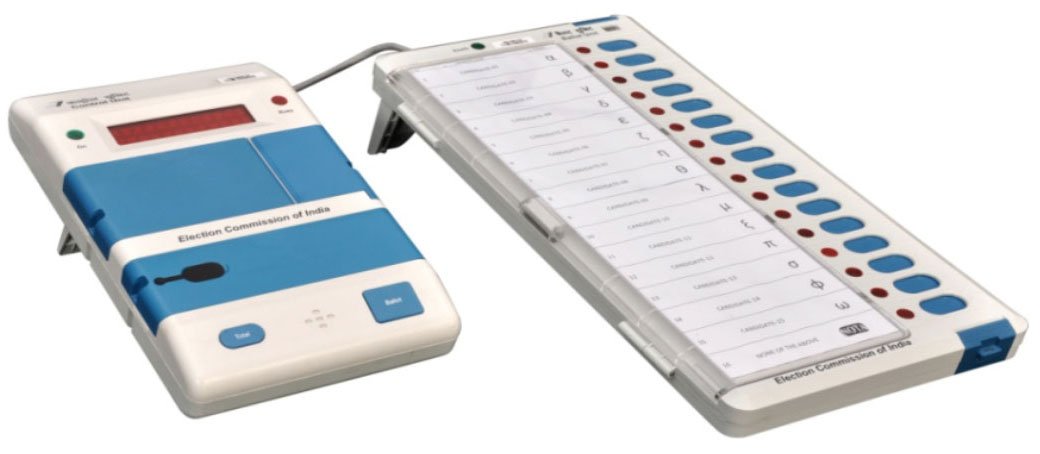
    Electronic voting machines are used in many countries around the world, with varying levels of adoption. India, for example, is one of the largest users of electronic voting machines and credits them with making its elections faster and more efficient. In the United States, different states use a mix of DRE machines and optical scan systems, with election laws varying widely. Many democracies use electronic voting technology to balance the need for quick, accurate vote counting with concerns about security and transparency.

    To protect election integrity, election officials have put in place several safeguards. Many jurisdictions require electronic voting machines to produce a paper audit trail or printed receipt that voters can review. This paper record serves as an important backup that can be used for recounts or audits if questions arise. Before elections, machines are tested to ensure they work correctly, and post-election audits help verify that the electronic results match the paper records. Some places use open-source software or strict security protocols to reduce risks from hacking. Network connections are often limited or disabled during voting to prevent remote attacks.

    Electronic voting machines became a major topic of discussion following the 2020 U.S. presidential election. Some public figures and groups promoted conspiracy theories claiming that these machines were used to rig the election. Despite these claims, multiple audits, recounts, and court cases found no evidence of fraud or manipulation involving electronic voting machines. Even the U.S. Department of Justice and state officials confirmed that the 2020 election was secure and free of widespread fraud. Nonetheless, debates about how to improve election security continue. Some experts and activists advocate for returning to hand-counted paper ballots to increase transparency and public confidence in election results.

    Overall, electronic voting machines remain a widely used tool in elections around the world. They provide benefits in speed, accessibility, and efficiency but also raise important questions about security and trust. Efforts to improve the technology and protect election integrity are ongoing, as election officials and voters seek to balance innovation with the need for transparency and reliability in democratic processes.

    Share. Facebook Twitter Pinterest LinkedIn Tumblr Email
    Andrew Rogers
    Andrew Rogers
    • Website
    • Facebook

    Andrew Rogers is a seasoned journalist and news analyst specializing in global affairs, politics, and finance. With a passion for investigative reporting, he delivers accurate, insightful stories that inform and engage readers worldwide.

    Related Posts

    Fog Triggers 59-Vehicle Crash, Shuts Highway 99 in Central Valley

    Fog Triggers 59-Vehicle Crash, Shuts Highway 99 in Central Valley

    February 1, 2026
    North Carolina Economy Booms but Income Lags

    North Carolina Economy Booms but Income Lags

    January 29, 2026
    Indiana Marriage Education Bill Passes First Hurdle

    Indiana Marriage Education Bill Passes First Hurdle

    January 25, 2026

    Comments are closed.

    Our Picks
    Australia Charges Teen Over Threats to Israeli President

    Australia Charges Teen Over Threats to Israeli President

    February 5, 2026
    Why is there criticism of the new Greece-Israel equation?

    Why is there criticism of the new Greece-Israel equation?

    February 5, 2026
    Russia Strikes Ukraine Energy Sites Amid Freezing Winter Cold

    Russia Strikes Ukraine Energy Sites Amid Freezing Winter Cold

    February 4, 2026
    Libya's Gaddafi's influential son Saif was murdered, how did it happen?

    Libya’s Gaddafi’s influential son Saif was murdered, how did it happen?

    February 4, 2026
    Stay In Touch
    • Facebook
    • Twitter
    • Instagram
    • YouTube
    Don't Miss
    Senator Ossoff Criticizes Medicaid Cuts at Savannah Rally

    Senator Ossoff Criticizes Medicaid Cuts at Savannah Rally

    Politics July 13, 2025

    Senator Jon Ossoff spoke to a crowd of over a thousand people in downtown Savannah…

    Kandi Burruss and Todd Tucker Split After 11 Years

    Kandi Burruss and Todd Tucker Split After 11 Years

    November 22, 2025
    China Renaissance

    China Renaissance Embraces Crypto for Business Revival

    July 2, 2025
    José Mujica Dies at 89

    José Mujica Dies at 89 – Former Uruguayan President Passes Away

    May 15, 2025
    About Us

    Daljoog News is a trusted news platform that brings you the latest global and local updates with accuracy and fairness. We are committed to clear and unbiased reporting, covering topics like politics, business, technology, science, and culture and more. Using the latest technology and expert journalism, we provide reliable coverage of important stories. Stay informed, inspired, and empowered with Daljoog News—your source for breaking news, the latest updates, and videos that matter.

    Email Us: info@daljoognews.com

    Our Picks
    Why can't the US dollar's depreciation be stopped?

    Why can’t the US dollar’s depreciation be stopped?

    February 1, 2026
    UN Warns of Potential Bankruptcy Amid Delayed Member Payments

    UN Warns of Potential Bankruptcy Amid Delayed Member Payments

    February 1, 2026
    Fed Set to Hold Rates Amid Global Market Tensions

    Fed Set to Hold Rates Amid Global Market Tensions

    January 25, 2026
    Latest News
    USS Abraham Lincoln, F-35s, and “Only Jedi” Mentioned in Report

    USS Abraham Lincoln, F-35s, and “Only Jedi” Mentioned in Report

    February 5, 2026
    Last US-Russia Nuclear Treaty Expires, Raising Global Alarm

    Last US-Russia Nuclear Treaty Expires, Raising Global Alarm

    February 5, 2026
    Majority Doubt Trump Admin’s Account of Pretti Shooting

    Majority Doubt Trump Admin’s Account of Pretti Shooting

    February 5, 2026
    Facebook X (Twitter) RSS YouTube Instagram
    • Home
    • About Us
    • Contact Us
    • Our Authors
    • Privacy Policy
    • Terms & Conditions
    • Sitemap
    © 2026 DaljoogNews.com

    Type above and press Enter to search. Press Esc to cancel.