
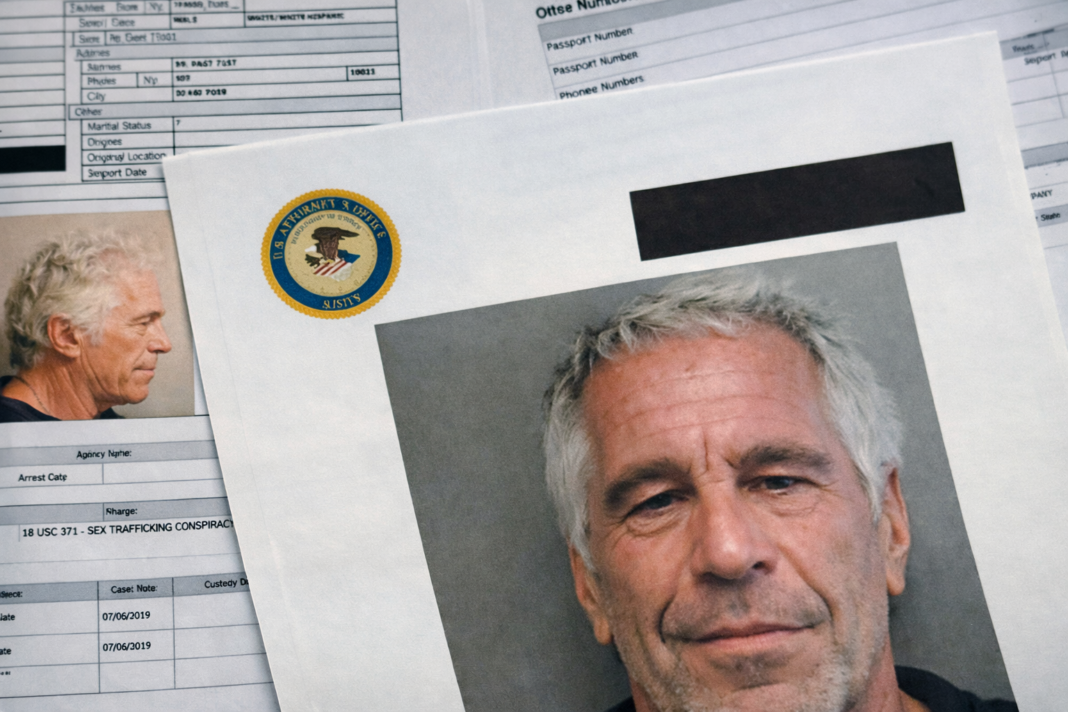
The U.S. Department of Justice (DOJ) has provided Congress with a list of hundreds of “politically exposed persons” mentioned in documents tied to convicted sex offender Jeffrey Epstein, according to a letter obtained by CNN.
According to Daljoog News analysis, the release of these names is intended to satisfy transparency requirements but does not indicate wrongdoing. The list includes public figures from politics, business, and culture, highlighting the wide reach of Epstein’s network and the media coverage surrounding him.
The disclosure comes amid ongoing scrutiny over how Epstein’s associations were handled by authorities, as well as criticism from victims and lawmakers over selective redactions in prior document releases.
What Happened?
On Saturday, Deputy Attorney General Todd Blanche signed a six-page letter sent to top members of the House and Senate Judiciary Committees, listing notable individuals mentioned in the millions of documents compiled during federal investigations of Epstein.
The letter was released under the Epstein Files Transparency Act, which requires the DOJ to make certain documents public. The files include names of former presidents, business executives, and deceased cultural icons such as Princess Diana, Elvis Presley, and Michael Jackson.
The letter clarifies that inclusion on the list does not imply personal interaction with Epstein or legal culpability. Only Epstein and his associate Ghislaine Maxwell have faced criminal charges connected to his crimes.
Some individuals previously known to have associations with Epstein, including Donald Trump, Bill Clinton, Steve Bannon, and Les Wexner, also appear on the list. Others are included based on secondary mentions, such as appearances in newsletters or press coverage.
Why This Matters
The release highlights the challenges in separating public association from wrongdoing. Many lawmakers and analysts argue that the DOJ’s broad listing approach risks conflating media mentions with criminal involvement.
Rep. Ro Khanna, co-author of the law prompting the release, criticized the list as “muddying the waters” between actual predators and individuals who were merely referenced in documents.
The letter has drawn bipartisan scrutiny. Republican Rep. Nancy Mace, an advocate for Epstein survivors, claimed the list omitted some names, intensifying concerns about transparency.
What Analysts or Officials Are Saying
Observers note that the DOJ has repeatedly redacted sensitive information, citing privileges like attorney-client communications, deliberative processes, and work product, sometimes exceeding the requirements of the Transparency Act.
Some unredacted versions reviewed by members of Congress suggested that authorities may have shielded influential figures, prompting further disclosures to expand the list. Analysts warn that without careful context, the public could misinterpret the document as evidence of wrongdoing.
Daljoog News Analysis
Daljoog News assesses that while the DOJ is complying with legal requirements, the broad inclusion of prominent names could create public confusion. The files highlight Epstein’s extensive network, but readers should understand that a mention does not imply criminal involvement.
The disclosure reflects ongoing tension between government transparency, protection of sensitive information, and the political implications of publicizing high-profile names.
What Happens Next
Congress will continue reviewing the list and may push for clarification or additional disclosures. Lawmakers are likely to probe whether redactions and omissions affected the accuracy and completeness of the files.
Public interest in Epstein’s network remains high, and any new findings could prompt further scrutiny of individuals, legal procedures, and institutional accountability.