


Despite a growing military presence in the Persian Gulf, the door to diplomacy between Iran and the United States is not fully closed. The crisis between the two nations is escalating, yet top Iranian security officials indicate that a framework for talks is being developed.
According to Daljoog News analysis, both sides are keen to demonstrate strength while also showing a willingness to engage. While the risk of military conflict exists, both Tehran and Washington appear to be pursuing diplomatic avenues to avoid escalation.
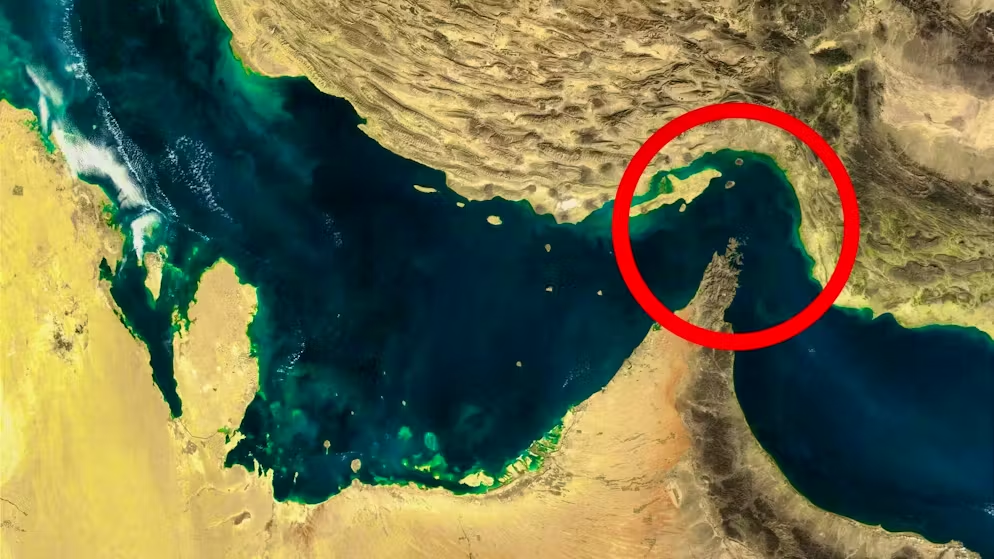
Timing is crucial in this tense environment. Military drills in the Strait of Hormuz, deployment of powerful naval forces, and pressure on Iran to limit its nuclear program all contribute to a highly sensitive situation.
What Happened?
On Saturday, Ali Larijani, head of Iran’s National Security Council, posted on social media that “in response to media-created artificial war narratives, a framework for dialogue is being developed.” He did not provide further details on the proposed structure of the talks.
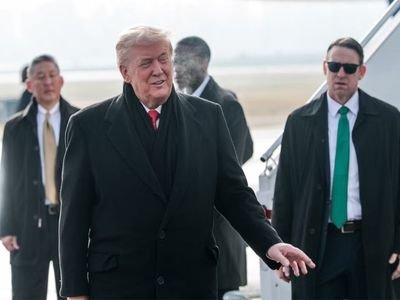
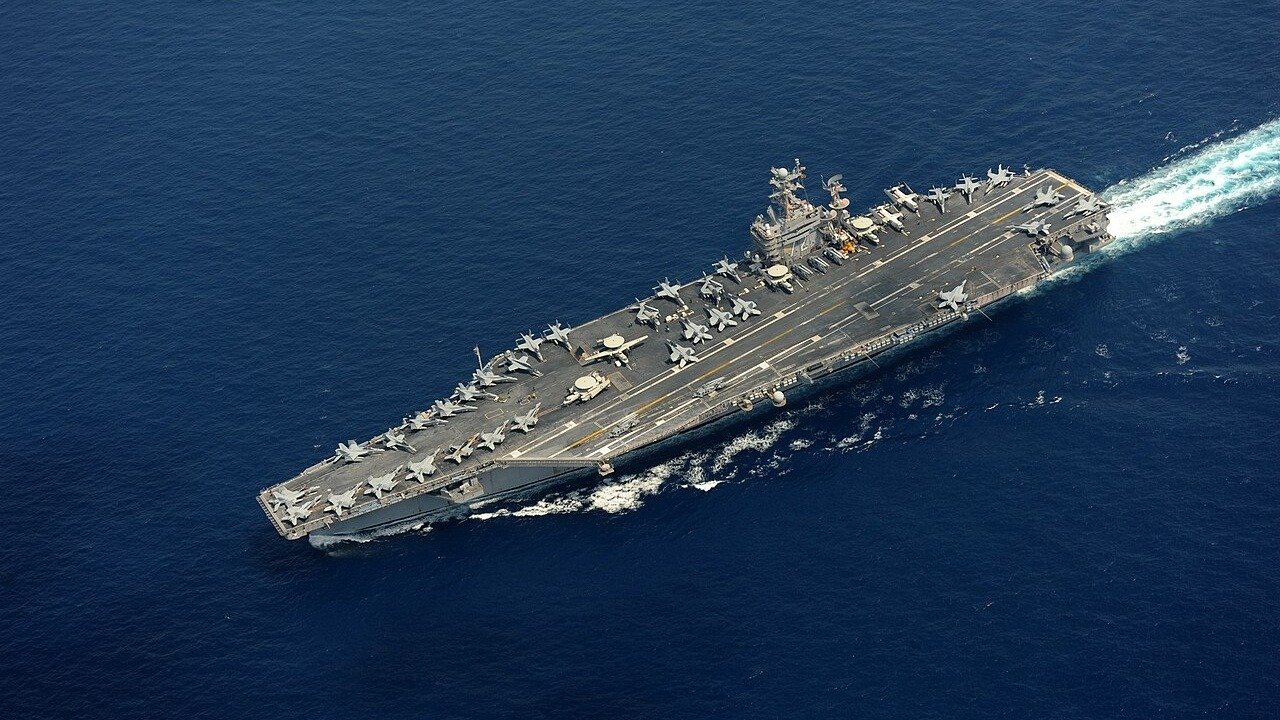
From the U.S. side, President Donald Trump has echoed this cautious optimism. In an interview with Fox News, he stated, “I believe Iran would rather reach a deal than face military confrontation. They have talked to us. We will see if something can be done. Otherwise, we will see what happens. A massive naval fleet is heading in that direction.”
Iranian military movements have also drawn attention. The Islamic Revolutionary Guard Corps (IRGC) had planned a two-day naval exercise, which prompted warnings from the U.S. Central Command (CENTCOM).
Why This Matters
The Iran-US standoff is significant not just for the region, but for global markets. The Strait of Hormuz is a critical shipping route. Any conflict here could disrupt the international oil supply.
Moreover, both the military maneuvers and fleet deployments serve as demonstrations of power, creating pressure on each side to negotiate while signaling strength. Despite indications of dialogue, continued military activity raises the stakes.
What Analysts and Officials Are Saying
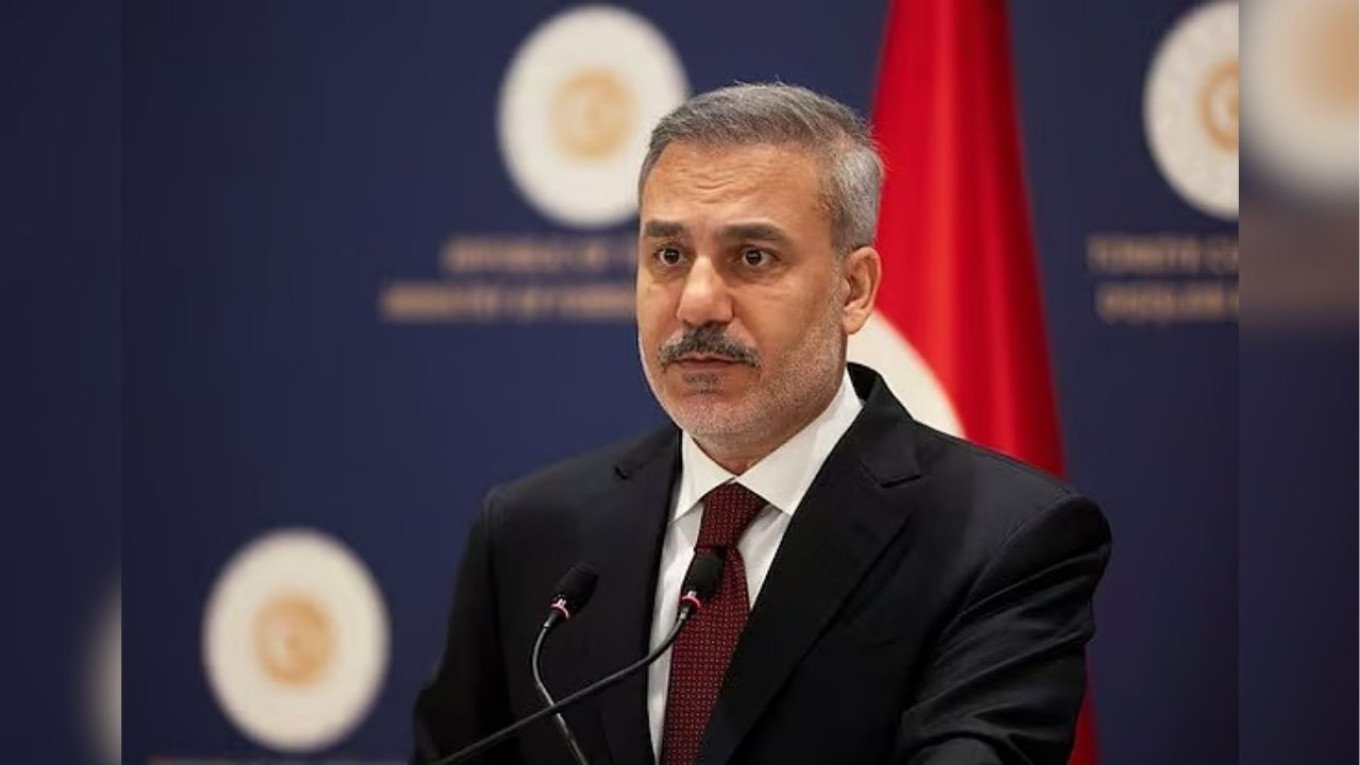
Iranian Foreign Minister Abbas Araghchi wrote on social media that, “The U.S. forces along our coast are trying to instruct our strong armed forces on how to operate in our own waters.”
From Washington, Trump has made it clear that the U.S. is prepared to use force if necessary. Analysts suggest that both sides’ cautious displays of power are simultaneously increasing tension and creating leverage for diplomatic talks.
Daljoog News Analysis
Daljoog News analysis indicates that Tehran and Washington are navigating a delicate strategic balance. Both nations want to avoid outright conflict while solidifying their positions.
Iran’s senior leadership has expressed willingness to engage in talks but has stipulated that threats of attacks must cease. Meanwhile, U.S. fleet deployments, pressures on nuclear limits, and global oil market concerns are all intensifying the pressure to reach an agreement.
This standoff is not just military—it is also diplomatic and economic. The ongoing negotiation framework, combined with strategic shows of strength, could potentially reduce the risk of conflict.
What Happens Next
In the coming weeks, the world will be watching the outcome of these talks. If Iran agrees to negotiate under the set conditions, the threat of military escalation could diminish. Conversely, if displays of force intensify, the risk of confrontation in the Strait of Hormuz may rise.
Global oil supply, regional stability, and the military-diplomatic strategies of both nations will all influence the next steps. Daljoog News analysts believe that successful negotiations could open a new chapter in Iran-US relations.