


The New START treaty, the final remaining nuclear arms agreement between the United States and Russia, officially expired Thursday, removing decades of limits on deployed warheads. The lapse has raised urgent concerns about a renewed global arms race.
According to Daljoog News analysis, the treaty’s expiration comes amid escalating tensions between Washington and Moscow, with both sides warning they may act decisively if national security is threatened.
The end of New START also places pressure on global diplomacy, with UN and international leaders urging both powers to negotiate quickly before strategic stability deteriorates further.
What Happened
New START, signed in 2010 by U.S. President Barack Obama and Russian President Dmitry Medvedev, capped both countries at 1,550 deployed strategic warheads, reducing arsenals nearly 30 percent from 2002 levels. It was the last binding nuclear arms agreement between the world’s two largest nuclear powers.
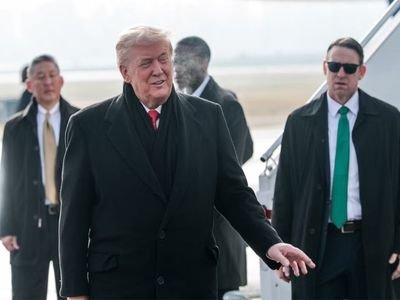
The treaty officially expired at midnight GMT on February 5, after President Donald Trump did not act on Russian proposals for a one-year extension. Moscow has stated that both countries are no longer bound by obligations under the treaty, while emphasizing it will act “prudently” but could take decisive measures if threatened.
International leaders have voiced concern. UN Secretary-General Antonio Guterres called it a “grave moment for international peace and security,” while Pope Leo XIV urged both sides to prevent a new arms race.
Why This Matters
The expiration of New START removes legally binding limits on the US and Russia’s strategic nuclear arsenals for the first time in more than 50 years. Analysts warn that this increases the risk of a nuclear confrontation, particularly given recent Russian discussions of tactical nuclear use during the Ukraine war.
Daljoog News notes that the lapse comes amid growing global anxiety over nuclear proliferation, with China’s rapidly expanding arsenal also drawing calls for broader multilateral arms control talks.
What Analysts or Officials Are Saying
US officials, including Secretary of State Marco Rubio, have emphasized the need for any future agreement to include China, citing its 550 strategic launchers and rapid stockpile growth. Critics argue the Trump administration has largely failed to engage China meaningfully, undermining prospects for a new multilateral deal.
Daryl Kimball of the Arms Control Association noted that while China’s inclusion is important, the current US administration has not actively pursued negotiations with Beijing. Observers argue that a coordinated approach could preserve existing limits while gradually expanding arms control to additional powers.
Daljoog News Analysis
Daljoog News observes that New START’s expiration is both a symbolic and practical setback for global security. While Trump has previously criticized arms agreements as restrictive, the lapse removes transparency and verification measures that have historically helped prevent miscalculations.
With Russia warning of countermeasures and tensions over Ukraine still unresolved, the lapse underscores the fragility of strategic stability. International pressure will likely intensify on Washington and Moscow to negotiate a replacement framework to prevent a destabilizing arms race.
What Happens Next
In the short term, the US and Russia remain free to deploy warheads without legal restriction, though both sides are expected to maintain current arsenals to avoid mutual escalation. Observers suggest diplomacy could resume with proposals for a renewed treaty, including China.