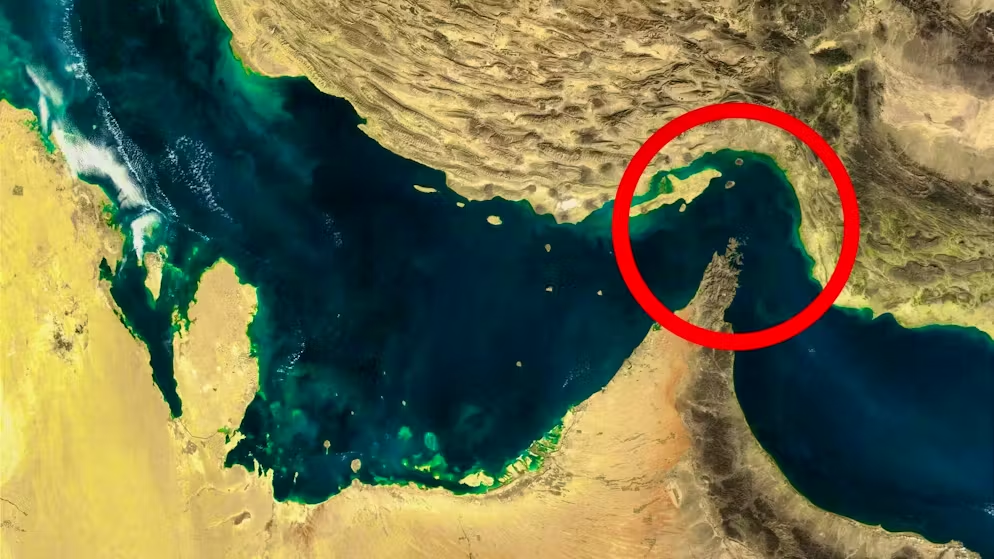



Tensions between the United States and Iran have eased slightly after weeks of mutual threats. The Persian Gulf witnessed heightened alert as both nations deployed military assets.
According to Daljoog News analysis, the latest shift shows that even amid strong rhetoric and military posturing, diplomacy remains a viable path to prevent escalation in the Middle East.
The renewed negotiations come as Iran faces domestic unrest and lingering economic challenges. A key meeting is scheduled for February 6 in Istanbul, aiming to restart stalled talks on nuclear and regional security issues.
What Happened?
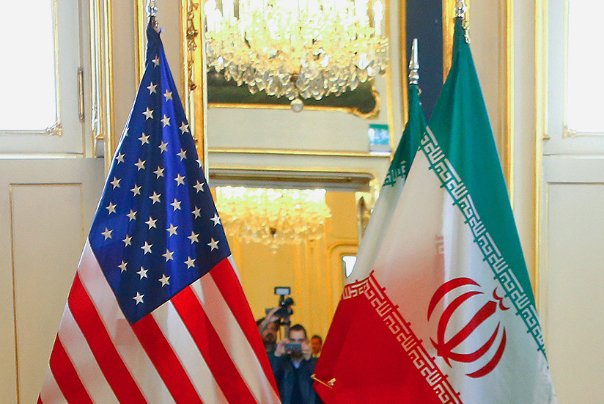
Diplomatic efforts are set to resume this Friday in Istanbul, bringing together Iranian Foreign Minister Abbas Araghchi and U.S. special envoy Steve Whitaker. The talks are mediated by regional actors, including Saudi Arabia and Egypt, reflecting broader Middle Eastern concerns.
The discussions mark a restart of negotiations that were interrupted last June following an Israeli strike, which had heightened fears of regional conflict. Both Washington and Tehran now appear to be signaling cautious flexibility.
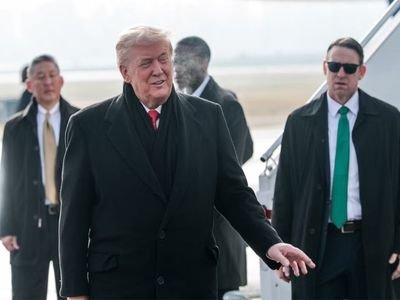
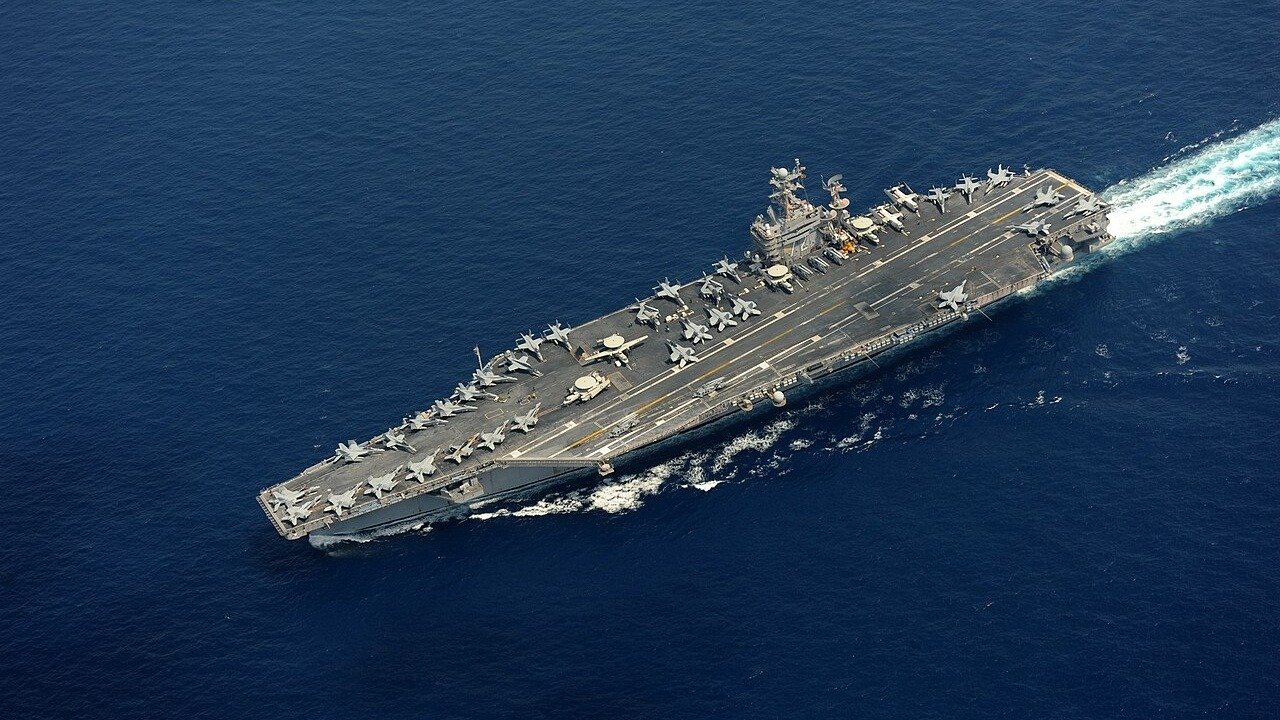
President Trump confirmed that U.S. naval forces remain deployed in the region. While emphasizing readiness to act if diplomacy fails, Trump also expressed optimism that talks could provide a peaceful resolution. He described the U.S. naval presence as larger than that of Venezuela, underscoring the scale of deterrence behind the diplomatic push.
Iran, meanwhile, claims that U.S. pressure and prior strategies have failed, positioning itself as willing to engage in negotiations. The government emphasizes respect, national interest, and the security of its citizens as key principles for the dialogue.
Why This Matters
The resumption of talks is significant because it signals a rare opening for de-escalation after months of tension. Daljoog News reports that U.S.-Iran hostility had pushed the Middle East toward increased volatility, with the potential to impact oil markets, regional alliances, and global security.
Iran’s decision to engage in dialogue reflects both internal pressures—stemming from domestic unrest and economic struggles—and external pressures from sustained U.S. threats. For Washington, the ability to negotiate while maintaining military leverage represents a strategic balancing act.
This interplay of pressure and negotiation will determine whether the February talks can stabilize a region long plagued by conflict and mistrust.
What Analysts or Officials Are Saying
Diplomatic observers note that Iran seeks parity in dialogue, insisting that negotiations occur with mutual respect. Officials suggest that Tehran is keen to demonstrate agency, showing that it is not simply responding to external demands but also protecting national sovereignty.
U.S. sources emphasize that military readiness remains a tool, not the first course of action. Analysts interpret this as Washington’s attempt to maintain leverage while allowing space for a diplomatic solution.
Regional mediators, including Saudi Arabia and Egypt, are expected to play critical roles in facilitating compromise. Their presence is seen as essential to bridging gaps in trust and ensuring that both sides can negotiate without immediate threats of escalation.
Daljoog News Analysis
Daljoog News observes that this latest development highlights a recurring theme in U.S.-Iran relations: negotiation often proceeds under the shadow of credible military deterrence.
While Trump’s rhetoric signals firmness, the simultaneous willingness to engage diplomatically reflects a calculated strategy to protect regional stability and U.S. interests. Iran’s participation, meanwhile, demonstrates that even after prolonged unrest and international pressure, pragmatic engagement remains possible.
The Istanbul talks could also set a precedent for how regional conflicts are managed—where military presence and diplomacy operate in tandem, and mutual respect becomes a necessary condition for dialogue.
What Happens Next
The February 6 Istanbul meeting will be closely watched by the international community. Success could pave the way for renewed discussions on nuclear limits, regional militias, and economic sanctions.
Failure to find common ground may trigger further military posturing, sanctions, or increased regional instability. Observers also note that Iran’s domestic and economic pressures may force more concessions than in previous negotiations.
Daljoog News will continue to monitor developments, as the outcome of this meeting could influence Middle Eastern security and U.S.-Iran relations for months to come.