Longevity science is shifting the focus from lifespan to healthspan—the years you thrive rather than just survive. Muscle plays a major role in this, according to Gabrielle Lyon, DO, a family medicine physician and author of Forever Strong. She coined the term “musclespan” to describe the length of time you live with healthy skeletal muscle, highlighting its impact on long-term health.
Muscle is not just about appearance or athletic performance. It is central to aging well and maintaining quality of life. Nathan K. LeBrasseur, PhD, a Mayo Clinic professor of physical medicine and rehabilitation, says losing muscle function increases the risk of disability and disease. Research shows that adults with higher muscle strength or who engage in resistance training are less likely to die prematurely, with grip strength alone serving as a reliable predictor of overall health outcomes.
Musclespan is particularly important for women. They generally start with lower baseline muscle, making them more vulnerable to falling below critical thresholds. Aging, beginning around 40, and menopause further accelerate muscle loss due to hormonal changes, insomnia, and joint pain, all of which can reduce activity. The good news is that muscle can be built at any age through targeted strength training, making it possible to extend musclespan well into later life.
Strong muscles support mobility, which is essential for daily tasks and overall longevity. Difficulty with basic movements can increase the risk of falls, injury, and illness. Muscles also support cognitive function by promoting blood flow and brain coordination, reducing risks of mental decline.
Beyond mobility, muscle plays a key role in metabolic health. It stores glucose, helping to regulate blood sugar and lower diabetes risk. Active muscle also breaks down triglycerides, improving cholesterol levels and overall cardiovascular health. Muscles act as an endocrine organ, releasing proteins called myokines that benefit other organs, including the brain, by reducing inflammation and supporting memory. Strong skeletal muscle even provides resilience during stress, such as chemotherapy or critical illness, while frailty is linked to longer hospital stays and higher mortality.
Measuring musclespan involves assessing functional strength. The chair stand test, which times how quickly you can stand and sit five times, gauges lower body strength. Upper body strength can be tested with a pull-up bar dead hang, and grip strength can be measured with a dynamometer. Self-assessment is also helpful: difficulty with daily movements or reduced stamina signals a shorter musclespan, while ease in daily activities suggests a healthier trajectory. Physical appearance or weight alone are unreliable indicators of muscle health.
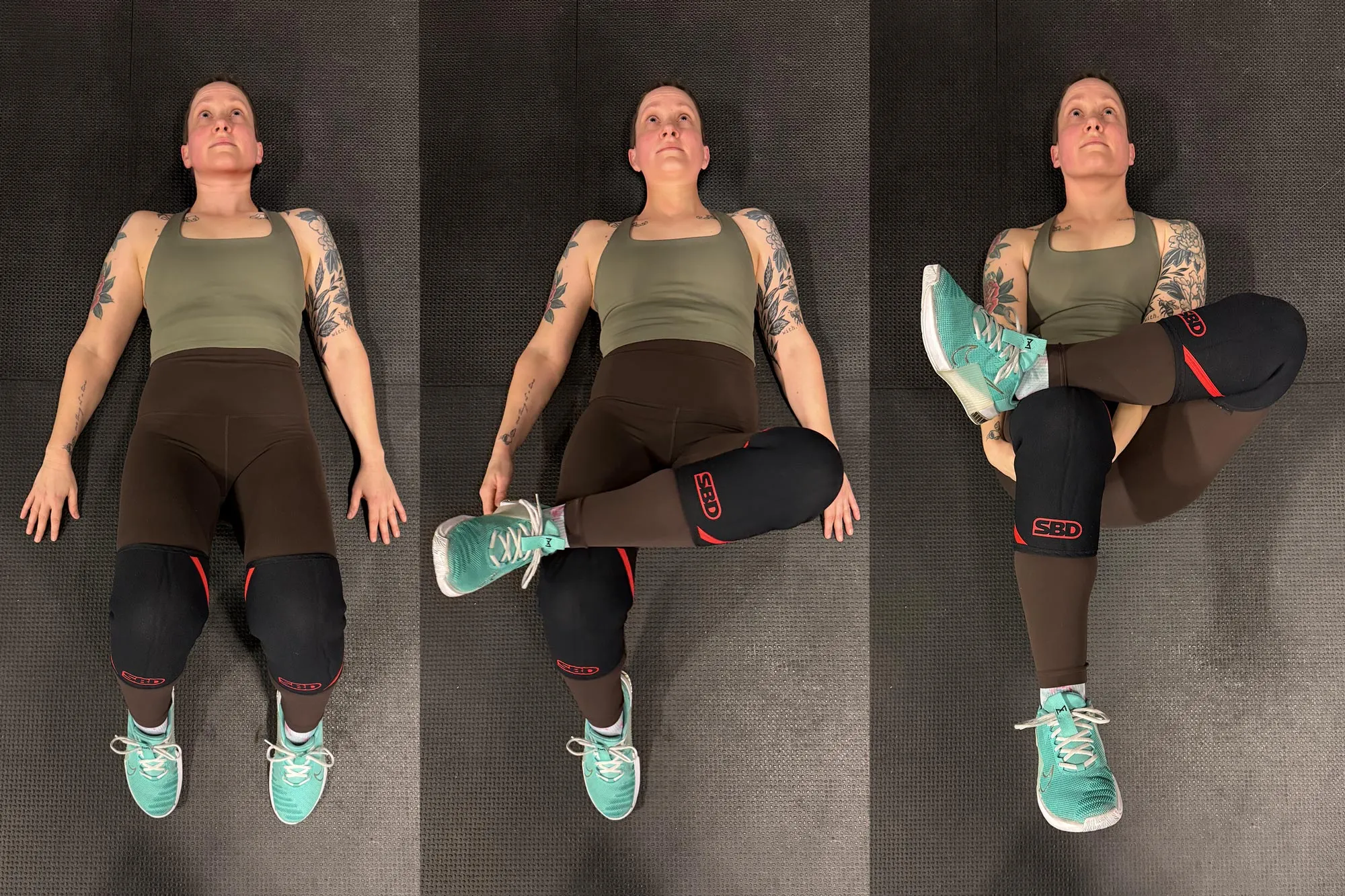
Extending musclespan requires consistent strength training. Beginners should start with movements like push-ups, pull-ups, and squats, progressing to resistance bands, free weights, or kettlebells. Repetitions should challenge muscles while maintaining proper form, gradually increasing from two sets of 12–15 reps to three sets as strength improves. Many women underestimate their capacity to lift weights, but proper guidance and gradual progression allow for safe gains.
Nutrition and recovery are equally important. Adequate protein intake—at least 100 grams daily—is essential for building and maintaining muscle, while sufficient sleep allows muscles to repair and grow stronger. Combining consistent resistance training, proper nutrition, and recovery practices enables women to increase their musclespan, improving health, mobility, and longevity.