A Republican bill in New Hampshire that would require voters to approve local tax caps every two years faced heavy criticism during its first public hearing on Tuesday. The proposal aims to limit spending by cities, towns, and school districts but has drawn concerns from lawmakers and local leaders.
The plan, part of a broader GOP effort to rein in local spending, would force communities to vote on property tax limits during high-turnout general elections in November. Supporters say this ensures voters have a say in how much local governments can spend. Critics question whether the state can legally compel towns to vote on such a measure and whether it is practical to implement.
“You put this cap on a town, you know what’s going to happen? You are going to lay off the police. You are going to lay off the fire department. You’re not going to get your streets plowed,” said Rep. Kristine Perez of Londonderry, highlighting concerns over essential public services. Perez was among 22 House Republicans who previously broke with their party to oppose a separate GOP plan to limit local spending.
Rep. Ross Berry of Weare, the bill’s sponsor, said the proposal is still a work in progress. He emphasized that voters would have the opportunity to approve any tax cap during general elections rather than smaller town elections. Berry also wants to require more than a simple majority to override an approved tax cap.
Limiting local government spending and taxes has been a recurring issue for Republican leaders in the New Hampshire House. Previous efforts include last year’s failed attempt to cap local spending in the state budget and the 2024 law that allowed citizens to propose per-pupil caps in school spending. Seven school districts considered adopting per-pupil caps last year, but none received the required three-fifths majority.
During Tuesday’s hearing, opposition far outweighed support. Margaret Byrnes of the New Hampshire Municipal Association argued the bill “defies our system” because local tax rates are not known until after spending decisions are made. She said this makes it impossible to set meaningful caps ahead of time.
Other critics focused on broader issues, including education funding. Heather Robitaille, chair of Merrimack’s School Budget Committee, said the state is expanding Education Freedom Accounts while cutting revenues and failing to meet its constitutional duty to fund education adequately.
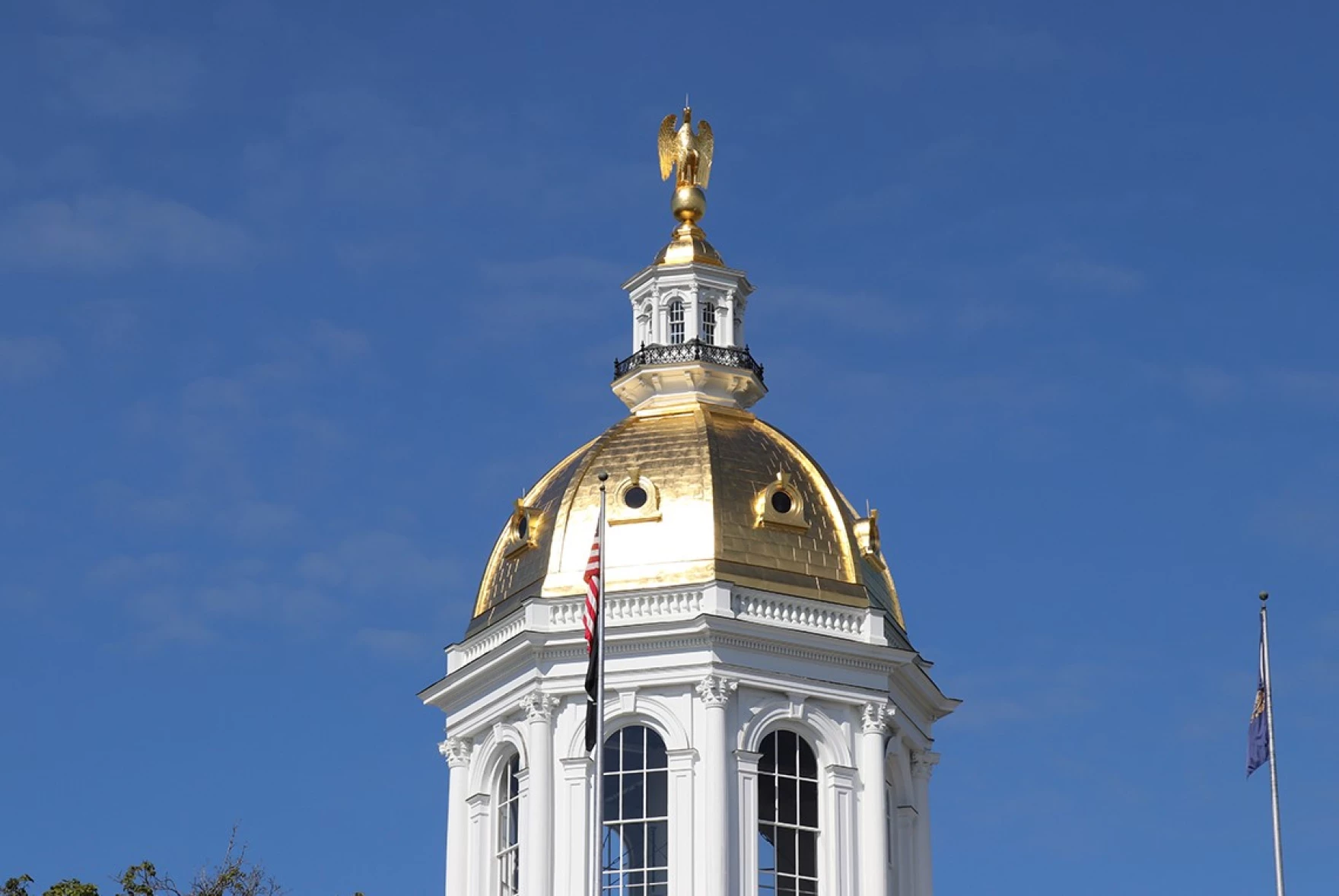
Democratic lawmakers also questioned the fairness of blaming local officials for rising property taxes. “It is not the selectboard, and it is not the counties that are causing this problem,” said Rep. Tom Schamberg of Wilmot. “It is located right here, under the golden dome.”
Backers argue that controlling local spending is necessary to stabilize school funding as overall student enrollment declines across the state. They see the measure as a way to give voters direct control over tax limits. Critics, however, say the bill does not address the real challenges in funding public services and education.
The bill’s future remains uncertain. No one besides Berry spoke in favor, while multiple local leaders, educators, and lawmakers voiced opposition. Implementation questions, legal concerns, and the potential impact on essential services could complicate its passage.
Lawmakers are expected to consider multiple education funding and local spending bills this year. While GOP supporters see tax caps as a step toward fiscal control, opponents argue the state should focus on systemic solutions rather than imposing rigid limits on local governments.
The hearing highlighted deep divisions over fiscal policy in New Hampshire. While proponents view taxpayer control as a priority, critics say the approach could undermine public safety, education, and municipal services.