



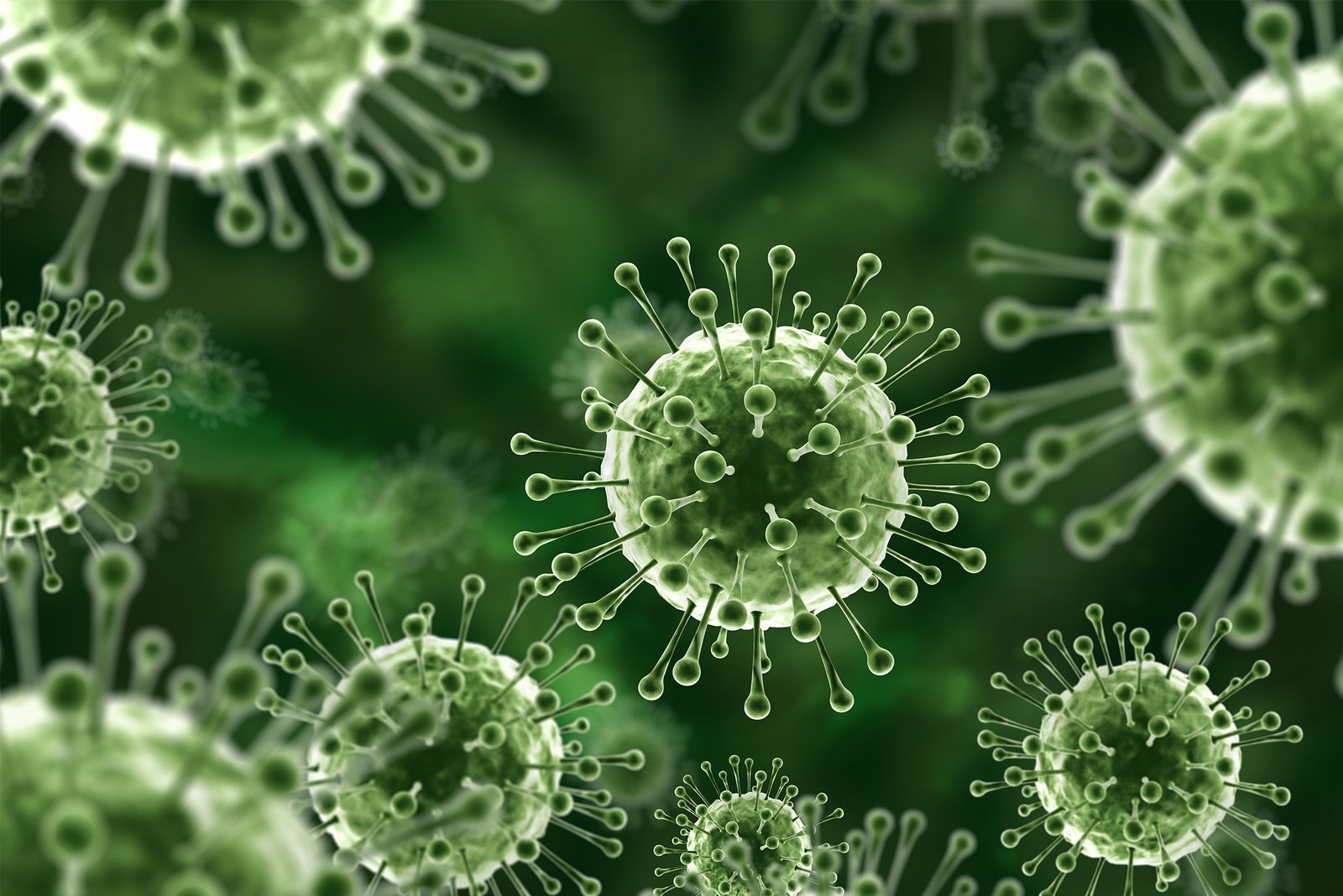
Nipah virus is a deadly zoonotic virus that poses a significant threat to public health, especially in parts of South and Southeast Asia. First identified during a large outbreak in Malaysia in 1998-1999, the virus is named after the Malaysian village of Nipah where the initial cases were reported. Since then, Nipah virus outbreaks have been reported repeatedly, particularly in countries like Bangladesh, India, and most recently, Kerala in India. The virus is known for its high mortality rate, which ranges between 40 and 75 percent, making it one of the most dangerous viral infections to humans.
The natural hosts of Nipah virus are fruit bats, also known as flying foxes, which carry the virus without showing any signs of illness. These bats can transmit the virus to other animals such as pigs and directly to humans. Human infections typically occur through direct contact with infected bats, pigs, or their bodily fluids, including saliva, urine, and feces. Additionally, humans can contract the virus from other infected individuals, especially through close contact with bodily fluids, which makes hospital settings and family caregiving situations particularly risky for transmission. Contaminated food products, such as raw date palm sap that bats have come into contact with, also present a known source of infection.
The symptoms of Nipah virus infection vary widely, ranging from mild to severe. Infected individuals may initially experience fever, headache, sore throat, cough, and vomiting. As the disease progresses, neurological symptoms such as confusion, drowsiness, and disorientation can develop, indicating that the virus has reached the brain. In many severe cases, the infection causes encephalitis or brain inflammation, which can lead to seizures, coma, and death. The incubation period — the time from exposure to the onset of symptoms — is typically between 4 and 14 days but can sometimes be longer.
Despite its severity, there is currently no specific antiviral treatment or vaccine available to combat Nipah virus infection. Patients usually receive supportive care, including intravenous fluids, respiratory support, and treatment for secondary complications, which is vital to improving chances of survival. Early detection and isolation of infected patients are crucial to controlling outbreaks and preventing further spread of the virus.
Nipah virus outbreaks have a significant history in Kerala, India, where several cases have been reported since 2018. The first major outbreak in Kerala occurred in 2018, resulting in 17 deaths. Subsequent outbreaks have been smaller but remain concerning due to the virus’s high fatality rate and potential for rapid transmission. Authorities in affected regions often implement containment measures such as establishing containment zones, increasing surveillance, tracing contacts, and spreading public awareness about preventive practices.
Prevention of Nipah virus infection focuses largely on avoiding contact with bats and other potentially infected animals. People living in or visiting areas where Nipah virus has been detected are advised to avoid consuming raw or unprocessed fruits and fruit products that may have been contaminated by bats. Health workers and family members caring for patients should use protective gear such as gloves and masks to reduce the risk of human-to-human transmission. Strict hygiene measures in healthcare settings are critical to preventing hospital-acquired infections. Communities are encouraged to report unusual illnesses or unexplained deaths promptly to enable swift action.
Ongoing research efforts aim to develop effective vaccines and antiviral drugs against Nipah virus. Several experimental vaccines are in the development stage, and clinical trials are underway to assess their safety and efficacy. However, none of these vaccines have been approved for widespread use yet. The scientific community continues to emphasize the importance of early diagnosis, isolation, and public health preparedness in managing Nipah virus outbreaks.
The Nipah virus remains a serious public health challenge due to its ability to cause severe illness and death, its animal-to-human and human-to-human transmission modes, and the absence of a specific treatment. Governments and health agencies in affected regions are continuously working to improve surveillance, implement containment strategies, and educate the public on safety practices. Preventing Nipah virus infections requires cooperation between communities, healthcare providers, and authorities to reduce exposure risks and quickly respond to potential cases.
Because Nipah virus outbreaks can emerge suddenly and spread quickly, ongoing vigilance and preparedness are essential. Public health officials emphasize the need to monitor symptoms such as fever, headache, vomiting, and respiratory difficulties in people from affected areas. Timely reporting and adherence to containment measures can help limit the spread of this dangerous virus and protect vulnerable populations from severe outcomes.