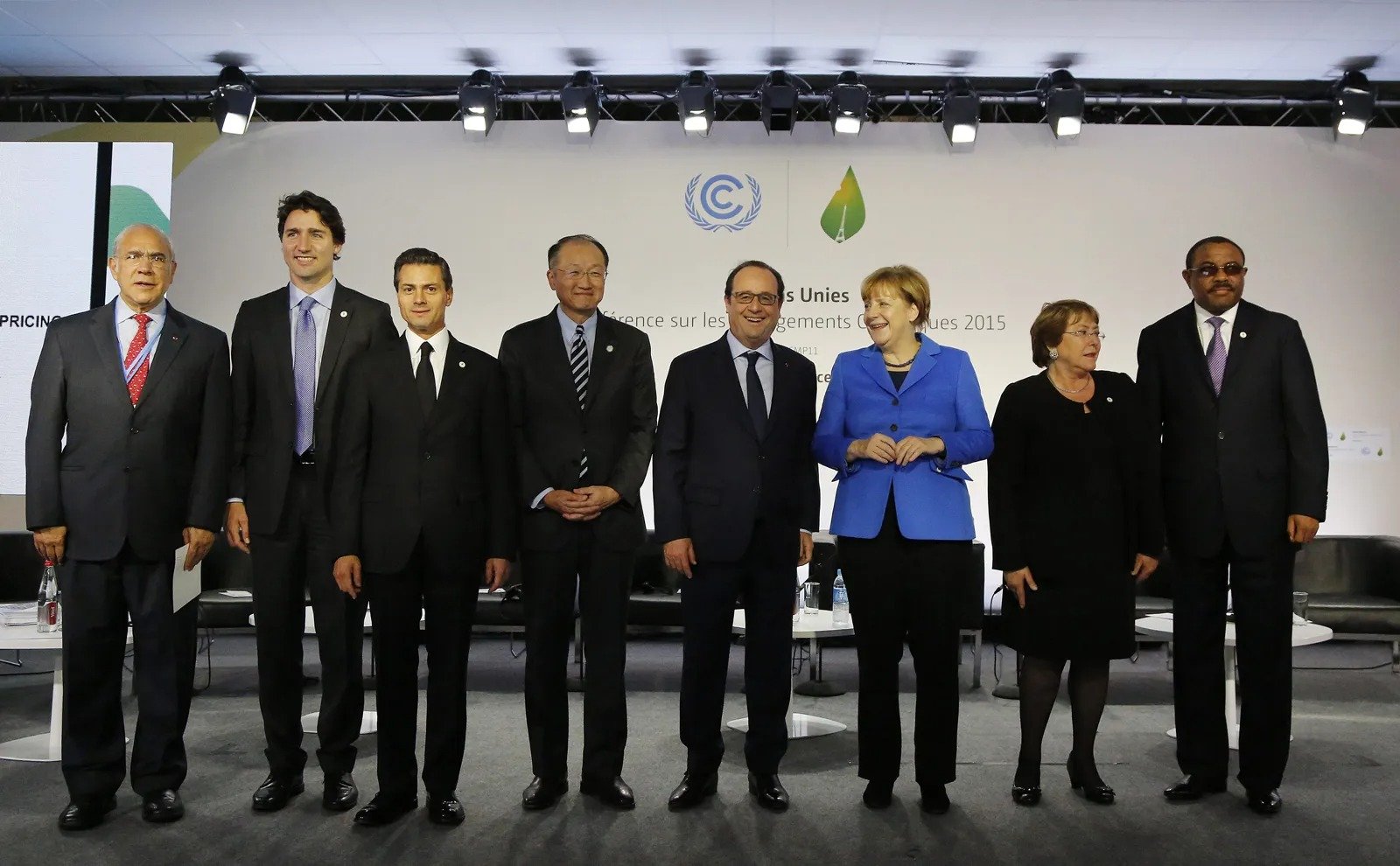
The Paris Climate Agreement is one of the most significant global efforts to address climate change. Adopted in December 2015 during the United Nations Climate Change Conference (COP21) in Paris, France, the agreement marked a historic moment when nearly 200 countries committed to work together to limit global warming and reduce greenhouse gas emissions. The agreement officially came into force in November 2016, setting a framework for international cooperation in the fight against climate change.
The primary goal of the Paris Climate Agreement is to keep the global average temperature rise well below 2 degrees Celsius compared to pre-industrial levels. The agreement also encourages countries to strive to limit warming to 1.5 degrees Celsius, recognizing that this lower target would significantly reduce the risks and impacts of climate change. To achieve this, the agreement asks countries to set voluntary targets called nationally determined contributions (NDCs), which detail how each country plans to reduce its greenhouse gas emissions. These NDCs are to be updated every five years, with the expectation that each update will be more ambitious than the last.
A key feature of the Paris Climate Agreement is its bottom-up approach. Unlike previous international agreements that imposed mandatory targets, the Paris Agreement allows countries to determine their own emission reduction goals based on national circumstances. This flexibility was essential to secure broad participation and to encourage countries with different economic conditions and development levels to join the effort. The agreement also emphasizes transparency by requiring countries to regularly report on their emissions and progress toward their commitments, helping to build trust and accountability.
Besides reducing emissions, the Paris Climate Agreement places great importance on adaptation and resilience. It recognizes that climate change impacts such as extreme weather, rising sea levels, and changing rainfall patterns pose serious risks, especially to vulnerable countries. Therefore, the agreement promotes support for nations to build resilience and adapt to these effects. This is especially important for developing countries that often lack the resources and infrastructure to handle climate-related disasters.
Climate finance is another critical component of the Paris Climate Agreement. Wealthier nations committed to providing financial resources to help poorer countries transition to low-carbon economies and adapt to climate change. The Green Climate Fund, established under the UNFCCC, plays a vital role in channeling this support. However, climate finance has been a contentious issue, with ongoing debates about the scale of funding and the responsibilities of developed countries.
The United States played a complex role in the Paris Climate Agreement. Initially, the U.S. pledged to reduce its emissions by 26 to 28 percent below 2005 levels by 2025 and committed $3 billion to the Green Climate Fund. However, in 2017, under President Donald Trump, the U.S. announced its withdrawal, citing concerns that the agreement would harm the American economy and disadvantage U.S. businesses. This move was widely criticized by other countries and environmental groups, as the U.S. is one of the world’s largest emitters of greenhouse gases and a major contributor to climate finance. The withdrawal raised concerns about weakening global efforts and potentially encouraging other countries to step back from their commitments.
Despite the U.S. withdrawal, the Paris Climate Agreement continued to drive international climate action. Many countries reaffirmed their commitments and increased their climate ambitions. In 2021, the United States rejoined the agreement under President Joe Biden, signaling renewed leadership and commitment to global climate efforts. This re-engagement boosted hopes for stronger international cooperation and accelerated action to meet climate goals.
The Paris Climate Agreement also highlights the importance of addressing loss and damage caused by climate change. It acknowledges that vulnerable countries often suffer from the consequences of climate-related disasters and that more needs to be done to support them. However, detailed mechanisms for loss and damage remain a topic of ongoing negotiation among parties.
While the Paris Climate Agreement provides a solid foundation, it faces challenges in ensuring that countries meet their commitments and increase their ambitions. Many experts warn that current pledges are not sufficient to keep global warming within the targeted limits. The success of the agreement depends largely on political will, technological innovation, and financial support. International climate conferences continue to be crucial venues where countries discuss progress, share knowledge, and negotiate new measures.
The agreement remains a cornerstone of global climate policy and has changed the way nations approach climate action. It has created a platform for cooperation that balances environmental protection with economic and social development needs. Countries continue to work within this framework to find solutions that can safeguard the planet while supporting growth and prosperity. The Paris Climate Agreement represents both a commitment and a challenge for the world to unite in addressing one of the most pressing issues of our time.