
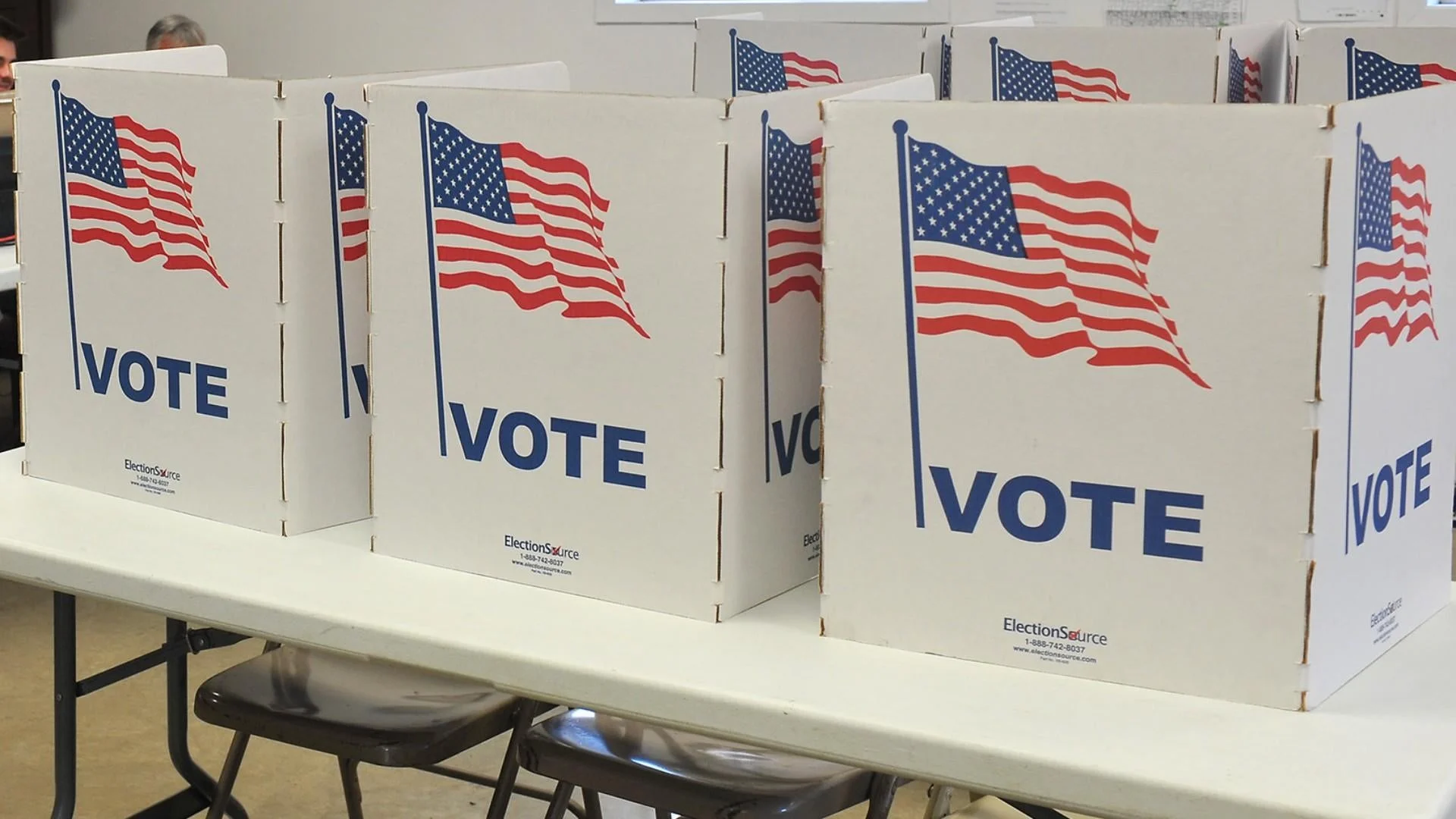
Democrat Chasity Verret Martinez captured a Louisiana state House seat in a special election Saturday, winning by a wide margin in a district President Trump carried by 13 points in 2024. Martinez secured 62% of the vote to 38% for Republican Brad Daigle, according to unofficial results.
According to Daljoog News analysis, the victory signals that local issues and campaign strategy can override presidential-level voting patterns. Despite being outspent nearly three-to-one, Martinez leveraged a focus on affordability and community concerns to connect with voters.
The result comes amid a string of Democratic gains in special elections, highlighting potential vulnerabilities for Republicans even in districts that lean heavily toward Trump at the national level.
What Happened?
The special election was triggered when the former Democratic representative vacated the seat after being appointed commissioner of Louisiana’s Department of Alcohol & Tobacco by Republican Governor Jeff Landry.
Martinez, a former Iberville Parish councilwoman, ran a campaign emphasizing local priorities, including the cost of living and the stability of rural hospitals. Her opponent, Brad Daigle, sought to capitalize on the district’s Trump-aligned voting record, but Martinez’s message resonated with voters at the state and local level.
While the district has historically elected Democrats in state and local races, Republicans viewed the seat as a prime pickup opportunity, particularly given Trump’s repeated victories there. Martinez’s win represented a 37-point swing from the 2024 presidential results.
Why This Matters
Martinez’s victory illustrates that local dynamics can outweigh national partisan leanings. In a state where Republicans dominate federal elections, Democrats continue to hold sway at the local level when campaigns address practical, community-focused issues.
The election also underscores a broader trend: Republicans have yet to secure a legislative special election pickup during Trump’s second term, while Democrats have flipped eight previously GOP-held seats since 2021. Special elections now serve as barometers of both party engagement and voter priorities beyond presidential politics.
What Analysts or Officials Are Saying
Political analysts note that Martinez’s campaign strategy—grounded in affordability, health care, and local services—effectively countered the national partisan tilt. Outspent 3-to-1, her campaign emphasized door-to-door outreach and community engagement over expensive media buys.
The Democratic Legislative Campaign Committee highlighted the missed opportunity for Republicans, framing the loss as a squandered chance to flip a seat in a district they had considered favorable.
Democratic National Committee Chair Ken Martin praised Martinez for focusing on issues directly affecting families, including rising costs and at-risk rural hospitals, positioning her win as a model for future Democratic campaigns in red-leaning areas.
Daljoog News Analysis
Martinez’s win reflects more than just a strong campaign; it signals a potential recalibration of voter behavior in districts traditionally seen as safely Republican at the presidential level. Her success shows that candidates who engage on local issues can outperform national partisan expectations.
The results in Louisiana follow a similar pattern to last week’s Texas 9th state Senate special election, where Democrat Taylor Rehmet flipped a long-held GOP seat. Taken together, these victories suggest that Democrats may be able to chip away at Republican dominance in state legislatures by targeting community concerns rather than national politics.
Daljoog News analysis indicates that Republicans may need to reassess how they approach local contests in Trump-leaning districts. While national messaging remains important, effective local campaigns that connect to voters’ immediate needs are proving decisive.
What Happens Next
Martinez will assume her seat in the Louisiana state House, likely prioritizing initiatives on affordability, healthcare access, and support for rural communities. Her win may encourage the Democratic Party to invest more heavily in similarly competitive districts during upcoming elections.
For Republicans, the loss is likely to trigger internal reviews of candidate selection, messaging, and ground operations in districts previously considered secure. How the party adapts could influence the outcome of future special elections and broader state legislative contests.