


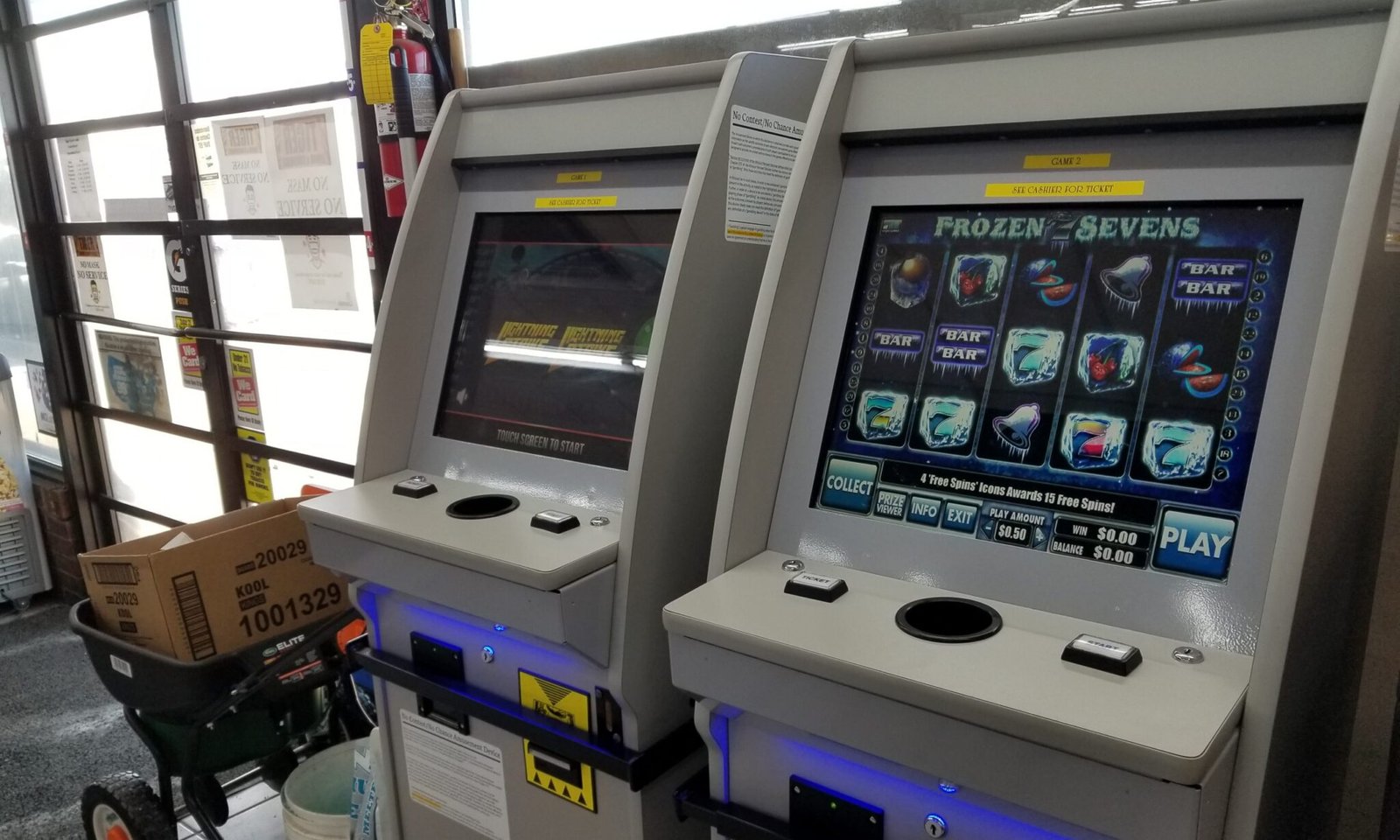
Missouri’s long-running dispute over slot-style machines in gas stations and bars reached a decisive moment Friday when a federal judge declared the devices illegal under state law. The ruling targets machines that have operated for years in convenience stores and restaurants across the state.
According to Daljoog News analysis, the decision dramatically shifts the balance in an already heated debate at the Missouri Capitol, where lawmakers are weighing whether to legalize and regulate the devices instead of banning them outright.
The timing is critical. Missouri’s attorney general has stepped up enforcement actions, while legislators consider creating a state-run video lottery system to replace the controversial machines. The court’s decision now adds legal weight to calls for a crackdown.
What Happened?
U.S. District Judge John Ross issued a 25-page ruling concluding that the slot-style machines meet Missouri’s statutory definition of gambling devices. That classification makes them illegal when operated outside licensed casinos.
The case centers on Torch Electronics, a Wildwood-based company that has placed thousands of machines in retail locations across Missouri. A federal jury in October ordered Torch to pay $500,000 to a competitor that argued it lost business after Torch claimed its games were lawful.
Judge Ross pointed to the jury’s findings in reaching his conclusion. He wrote that the machines qualify as gambling devices and therefore violate Missouri law when installed in unlicensed venues.
Torch maintains its games comply with state law. Company spokesman Gregg Keller said the firm plans to appeal once the court enters final judgment. Torch insists its machines follow both the letter and spirit of Missouri statutes.
The legal fight unfolds as Attorney General Catherine Hanaway pushes to shut down what she describes as illegal gambling operations. Her office recently filed lawsuits against retail stores in Dunklin County, accusing them of operating unlawful machines.
Hanaway also told lawmakers earlier this month that her office is assisting with a federal investigation into slot-style machines in Missouri. She cited concerns involving financial practices and potential money laundering issues.
Judge Ross noted that he initially avoided issuing a sweeping declaration after the October jury verdict. However, he later concluded that inconsistent outcomes and delays in the state system required a clearer judicial determination.
Why This Matters
The ruling affects a multimillion-dollar industry that has grown rapidly in Missouri’s convenience stores and small businesses.
Operators argue that the machines provide critical revenue for retailers. Critics say they exploit a legal gray area to run unregulated gambling outside casinos approved by voters.
Missouri casinos operate under strict licensing rules and pay significant fees and taxes. Gas station and bar machines, by contrast, have functioned without a statewide regulatory framework.
The decision strengthens enforcement efforts by state authorities. If upheld on appeal, it could force hundreds or even thousands of machines off the market.
At the same time, lawmakers in Jefferson City are debating whether to replace the unregulated devices with a state-run video lottery system. The Missouri House recently gave initial approval to legislation that would authorize the Missouri Lottery to oversee such machines.
Under the proposal, licensed video lottery terminals would have to pay out at least 80 percent of wagers as prizes. Roughly one-third of profits would support public education programs.
The bill would also impose a 3 percent tax on video lottery profits to assist local governments. Additionally, casinos would see the per-patron entry fee double from $2 to $4.
In short, Missouri now faces a policy crossroads: enforce an outright ban or formalize and regulate the activity.
What Analysts or Officials Are Saying
Attorney General Hanaway has argued consistently that the machines fall squarely within Missouri’s definition of illegal gambling devices. She has dismissed claims that the law leaves room for interpretation.
Some lawmakers echo that view. State Rep. Dean Van Schoiack, a Republican from Savannah, cited the judge’s ruling during debate and argued the state should not rely on gambling to solve budget pressures.
Others frame the issue differently. State Rep. Bill Hardwick, who sponsors the legalization bill, says the goal is clarity. He argues Missouri law currently allows confusion, leaving businesses unsure of what is permitted.
The House also adopted amendments aimed at channeling additional revenue toward public services. One change adds a $250 annual fee per machine, directing funds to disability services. Lawmakers said the measure could help offset proposed budget cuts to programs that support individuals with disabilities.
The political backdrop adds another layer. Torch Electronics has invested heavily in lobbying and political contributions. Over the past year, the company donated $650,000 to political action committees run by its lobbyist, former House Speaker Steve Tilley. Warrenton Oil, which hosts many Torch machines, contributed an additional $135,000 to those committees.
In 2023, then-Attorney General Andrew Bailey withdrew from defending the Missouri State Highway Patrol in litigation brought by Torch after receiving campaign contributions from committees linked to the company. Bailey later left office for a federal role, and Hanaway succeeded him.
Daljoog News Analysis
Judge Ross’s ruling does more than settle a dispute between competitors. It reshapes the policy landscape in Missouri.
For years, Torch and similar operators operated in a space between enforcement and ambiguity. Some local prosecutors declined to act. Others took a harder line. The result was a patchwork system that benefited companies willing to test the limits.
The federal court’s decision reduces that ambiguity. By explicitly stating the machines meet the statutory definition of gambling devices, the ruling undercuts arguments that the issue remains unsettled.
Yet the legal clarity may accelerate, not end, the political debate.
Lawmakers now face pressure from both sides. Retailers and operators want regulation rather than prohibition. Anti-gambling advocates argue that legalization would reward companies that exploited loopholes.
Missouri voters have historically supported casino gambling under regulated conditions. Whether they would support thousands of lottery-style terminals in neighborhood stores remains an open question.
The broader concern involves public trust. When large political donations intersect with enforcement decisions, skepticism grows. Transparent rules and consistent enforcement will matter more than ever.
What Happens Next
Torch Electronics is expected to appeal once the ruling becomes final. That process could take months and potentially reach higher federal courts.
Meanwhile, the Missouri House bill must clear additional legislative hurdles. The Senate could revise or stall the proposal, especially now that a federal judge has weighed in.
If the legalization measure passes, unregulated machines would have one year to leave the market. The Missouri Lottery would then oversee licensed video lottery terminals in retail locations statewide.
Enforcement actions may also intensify. With a federal ruling in hand, the attorney general’s office could move more aggressively against businesses hosting the machines.