
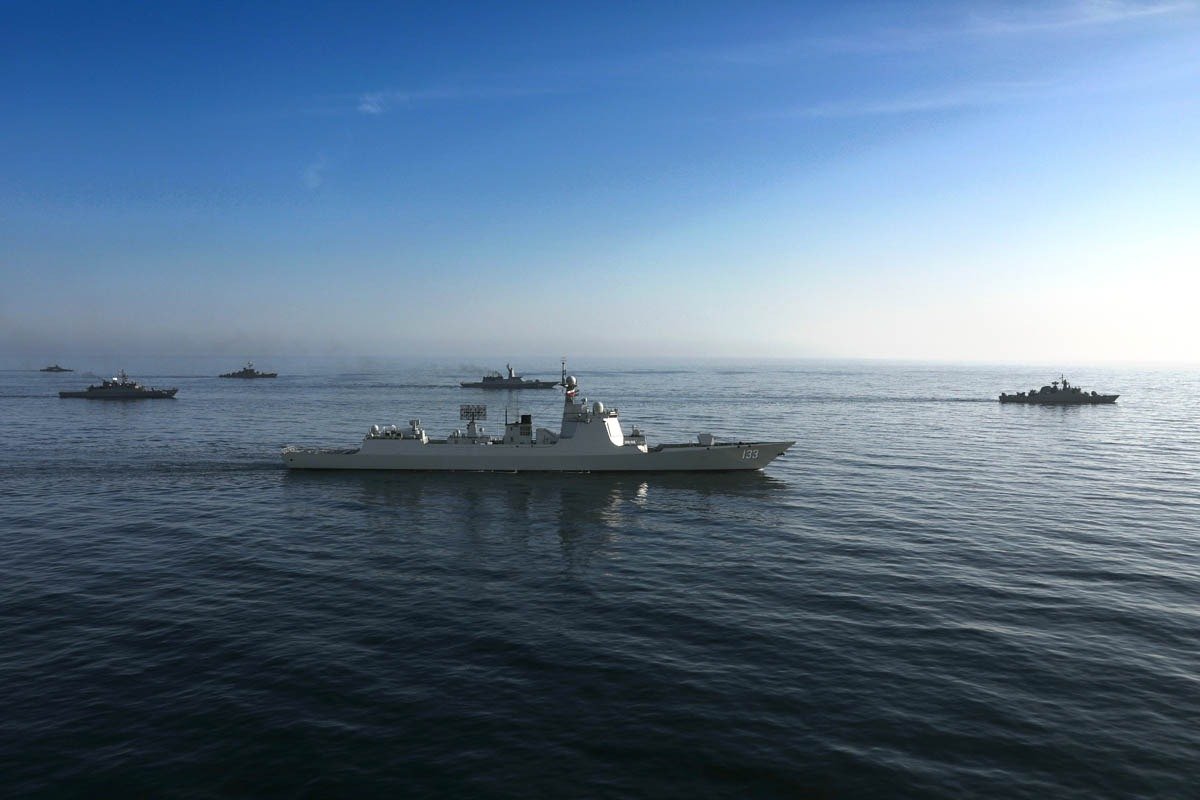
China has intensified surveillance activities over the Persian Gulf as the United States reinforces its military presence near Iran. Newly circulated satellite imagery and defense reports suggest both powers are sharpening their posture in a region already strained by mistrust and strategic rivalry.
According to Daljoog News analysis, the developments point to a deeper intelligence contest unfolding behind the scenes. Washington appears focused on strengthening deterrence against Iran, while Beijing signals it is closely monitoring American movements from space and sea.
The timing is significant. Tensions between Washington and Tehran have risen again, and any visible shift in force posture risks triggering countermeasures. China’s growing involvement adds a new dimension to what was once largely a US-Iran standoff.
What Happened?
Recent satellite imagery indicates that the United States has deployed a Terminal High Altitude Area Defense system, known as THAAD, to Jordan’s Muwaffaq Salti Air Base. The system is designed to intercept ballistic missiles at high altitudes.
THAAD is manufactured by Lockheed Martin and forms a core element of American missile defense strategy. Its deployment near Iran’s vicinity signals a move to reinforce regional air defense against potential missile threats.
At the same time, reports suggest increased Chinese naval activity in waters near the Persian Gulf. While Beijing has not officially confirmed combat deployments, defense observers point to tracking data and satellite analysis indicating a stronger Chinese maritime footprint.
China has steadily expanded its blue-water naval capabilities through the People’s Liberation Army Navy, enabling longer-range patrols and intelligence gathering far from its home waters.
US officials have not publicly detailed the scale of reinforcements. However, Pentagon sources indicate that force protection measures are being reviewed in light of evolving regional risks.
Why This Matters
The Persian Gulf remains one of the world’s most sensitive energy corridors. Any military escalation could disrupt shipping lanes and affect global oil markets.
The deployment of THAAD in Jordan enhances US missile interception capacity, particularly against threats originating from Iran. Jordan’s geographic position makes Muwaffaq Salti Air Base a strategic node for monitoring and rapid response.
China’s expanded surveillance suggests Beijing does not intend to remain a passive observer. As Washington increases pressure on Tehran, Beijing appears keen to gather intelligence and protect its own regional interests.
This dynamic shifts the narrative from a bilateral US-Iran confrontation to a broader geopolitical competition. It reflects how global rivalries increasingly intersect with Middle Eastern security.
What Analysts or Officials Are Saying
Defense analysts describe the THAAD deployment as precautionary rather than offensive. The system is defensive in nature, designed to neutralize incoming missile threats rather than initiate strikes.
However, some experts warn that visible reinforcement may heighten perceptions of imminent conflict. Iran could interpret the move as preparation for a broader campaign.
Strategic observers also note that China’s growing naval patrols signal confidence in operating near US military assets. By positioning advanced sensors and surveillance systems, Beijing can monitor troop movements and naval activity in real time.
Pentagon officials have emphasized the need for layered defense. They argue that deterrence requires visible readiness, especially in volatile theaters.
Chinese officials, for their part, frame their regional activities as routine maritime presence and cooperative security engagement. Yet the scale and timing suggest careful calculation.
Daljoog News Analysis
The current posture reflects a contest of visibility and signaling. Washington strengthens missile defense near Iran. Beijing responds by expanding surveillance reach. Each move carries both strategic and symbolic weight.
China’s involvement underscores how Middle Eastern flashpoints now operate within the wider framework of US-China rivalry. Intelligence sharing or maritime coordination with Iran, even if informal, complicates American calculations.
For Washington, the challenge lies in balancing deterrence without triggering escalation. For Beijing, the objective appears to be safeguarding regional interests while demonstrating global reach.
The Persian Gulf is no longer just a regional arena. It has become a testing ground for great-power competition.
Daljoog News assesses that the interplay between surveillance, missile defense, and naval positioning will define the next phase of tension. Misinterpretation remains the greatest risk in such an environment.
What Happens Next
Attention will focus on whether US reinforcements expand beyond defensive systems. Additional carrier strike groups or air assets would signal deeper preparation.
Observers will also monitor Chinese naval movements. Sustained patrols could indicate long-term strategic positioning rather than temporary observation.
Iran’s response will be equally critical. Tehran may adjust its own missile deployments or air defense readiness in reaction to perceived threats.
Diplomatic channels remain open but fragile. Any incident—whether maritime interception, drone encounter, or missile test—could accelerate escalation.