
Israeli airstrikes on Lebanon on Friday killed at least 12 people and wounded 24, including three children, marking one of the deadliest days in the ongoing low-level conflict between Israel and Lebanese militants. Strikes hit the eastern Bekaa Valley, and a Palestinian refugee camp in Sidon, Lebanon’s Health Ministry reported.
According to Daljoog News analysis, the attacks reflect Israel’s ongoing campaign against Hezbollah and allied Palestinian groups, amid mounting regional tensions linked to Iran’s nuclear negotiations and its support for both Hezbollah and Hamas.
The strikes come more than a year after the Hamas-led attack on Israel in October 2023 triggered full-scale war in Gaza. While the subsequent ceasefire reduced large-scale hostilities, Israel has continued near-daily strikes targeting Hezbollah positions, fearing the group is rebuilding its military capabilities.
What Happened?
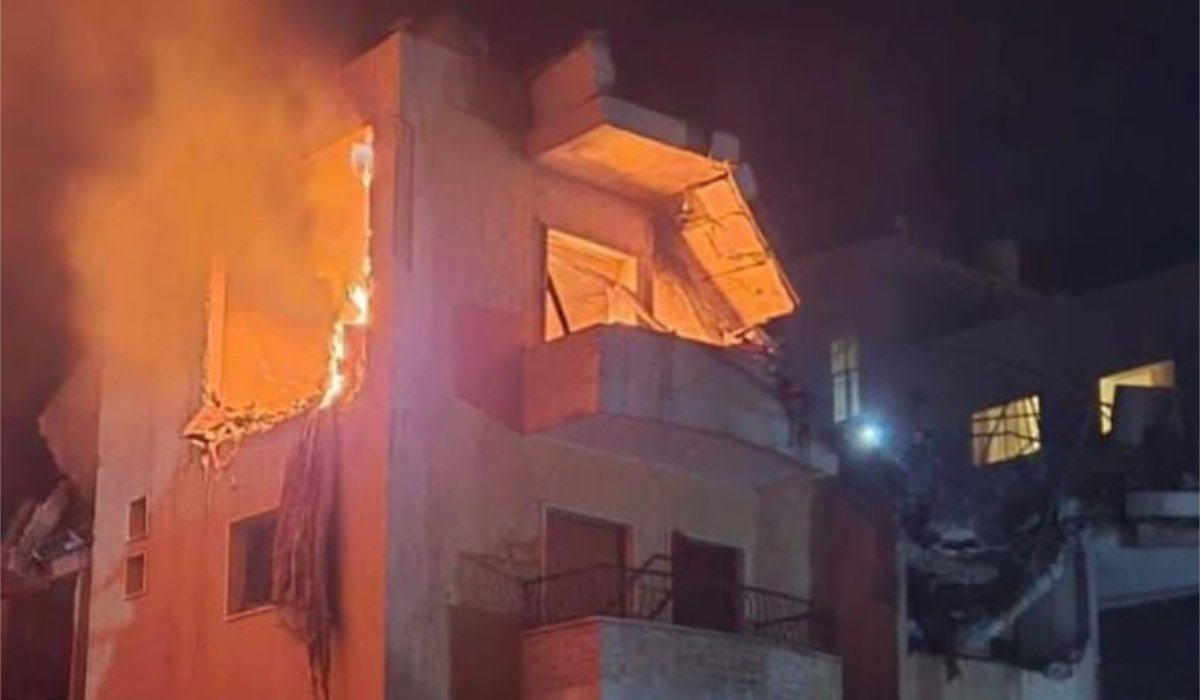
In the Bekaa Valley, Israeli forces targeted what they described as Hezbollah command centers. Local footage showed an apartment building reduced to rubble, with emergency crews searching for survivors. Ten people were confirmed killed and 24 were injured in this strike alone.
Earlier in the day, Israeli jets struck the Ein el-Hilweh Palestinian refugee camp in Sidon, killing two people. Israel claimed the building was a Hamas command center. Hamas disputed this, saying the targeted site belonged to a joint security force maintaining internal camp order and criticized Israel’s justification as a “flimsy pretext.” Two Hamas members were among the casualties.
Since the October 2023 conflict, Hezbollah has occasionally fired rockets into northern Israel in support of Hamas, while Israel has repeatedly retaliated with airstrikes across southern Lebanon and the Bekaa Valley. Friday’s death toll is unusually high compared with previous strikes.
Why This Matters
The strikes raise fears that the region could spiral into broader conflict. Hezbollah, backed by Iran, has largely remained on the sidelines since last year’s Israel-Iran war. However, analysts warn that continued Israeli attacks may provoke retaliation, potentially drawing Lebanon deeper into hostilities.
The timing is particularly sensitive as the United States has signaled readiness to strike Iran if nuclear negotiations fail. Any escalation could destabilize Lebanon, Israel, and the wider Middle East, affecting energy markets and international security.
What Analysts or Officials Are Saying
Regional experts highlight the fragile nature of Lebanon’s security. Many Lebanese civilians fear being caught in the crossfire should Israel and Hezbollah engage in a more sustained conflict. Analysts note that repeated Israeli strikes could increase anti-Israel sentiment, embolden Hezbollah’s allies, and further strain the already fragile Lebanese state.
Israeli officials maintain that the strikes target legitimate military objectives, citing Hezbollah’s efforts to rebuild its arsenal. Hezbollah has so far responded minimally, but its history of retaliation suggests potential escalation if civilian casualties continue to rise.
Daljoog News Analysis
Friday’s airstrikes underscore the precarious balance in southern Lebanon. Israel’s military campaign appears aimed at deterring Hezbollah’s rearmament, but the human toll risks inflaming local and regional anger, making broader conflict more likely.
The strikes also illustrate how local conflicts are intertwined with wider geopolitical issues, including Iran’s influence, U.S. policy in the Middle East, and ongoing Hamas-Israel hostilities. Any miscalculation could trigger a chain reaction involving multiple actors across the region.
The humanitarian impact is severe. With residential buildings hit and civilians among the dead and wounded, the strikes may further destabilize already vulnerable communities in Lebanon’s Bekaa Valley and refugee camps.
What Happens Next
Observers expect continued Israeli airstrikes targeting Hezbollah infrastructure, while regional actors monitor the potential for retaliation. The U.S. and other powers may intervene diplomatically to prevent escalation, but the risk of a wider military confrontation remains high.
For Lebanon, the key questions will be whether Hezbollah retaliates and how civilians and political authorities respond. The international community will be watching closely, as any escalation could have far-reaching consequences for security, energy markets, and the fragile stability of the eastern Mediterranean.