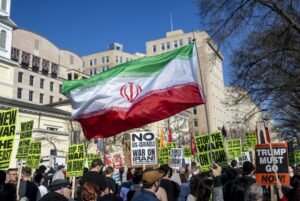
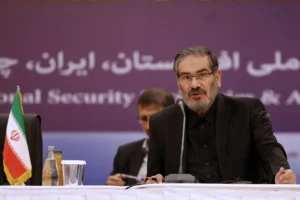

The United States has placed its counterterrorism and intelligence agencies on maximum alert amid ongoing military operations in Iran. Officials issued the directive on Saturday local time, citing the need to detect and prevent any potential threats on U.S. soil.
According to Daljoog News analysis, the heightened alert reflects Washington’s concern over potential retaliatory actions by Iran or its proxies. The move underscores the domestic security implications of foreign military escalation.
The alert comes as U.S. forces and Israel carry out targeted operations in Iran, while Tehran has launched missile and drone strikes against regional bases. The domestic security apparatus is now preparing for any spillover effects within the United States.
What Happened?
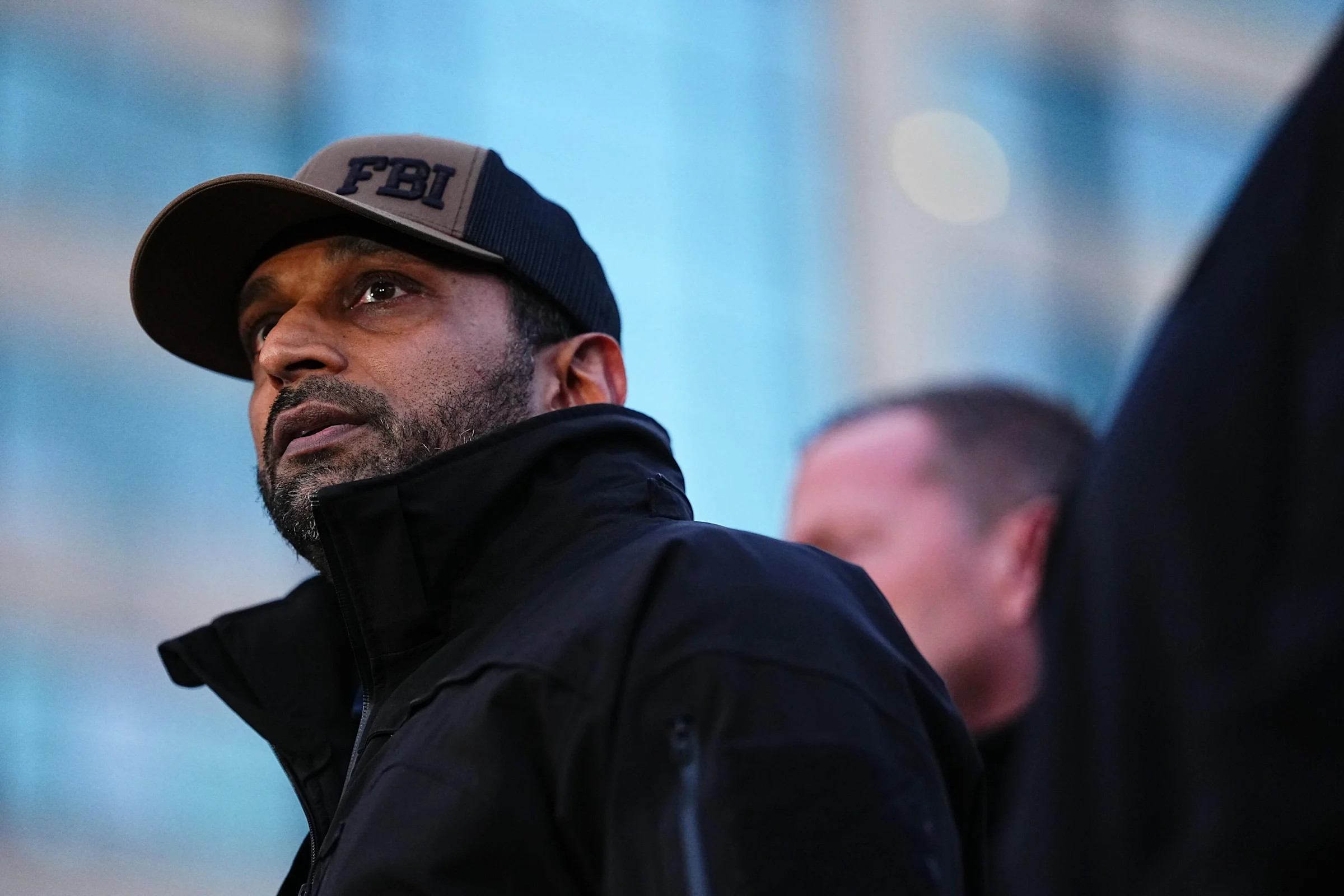
FBI Director Kash Patel directed federal counterterrorism units to intensively monitor potential threats and maintain readiness for immediate response. Homeland Security Secretary Kristjen Nielsen (acting at the time) emphasized inter-agency coordination, instructing intelligence and law enforcement teams to work closely to identify risks.
Secret Service officials confirmed that protective measures are being heightened, particularly around key government buildings and officials. Local police in several states have also increased patrols and safety measures for citizens and travelers.
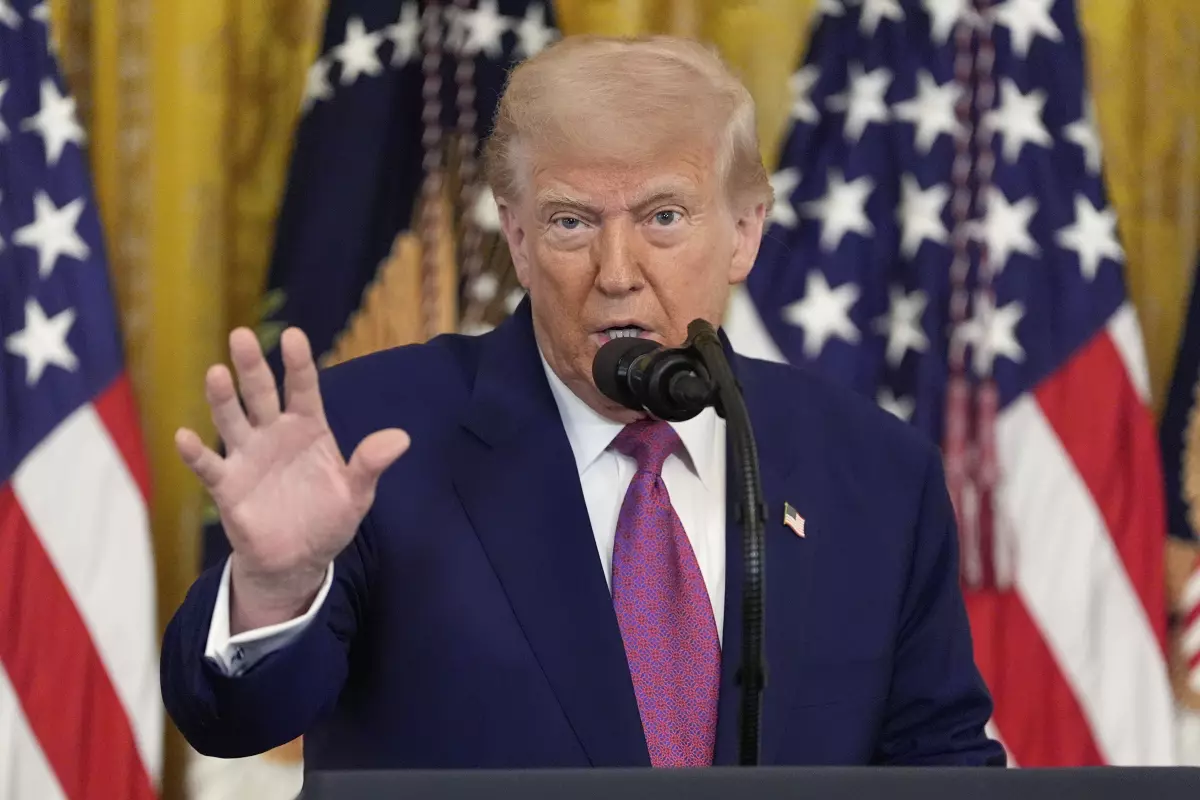
Meanwhile, U.S. President Donald Trump’s recent military operations in Iran have sparked domestic debate. Senator Edward J. Markey criticized the strikes as unconstitutional and warned that they endanger American civilians while increasing the risk of wider regional conflict.
Markey, 79, a Democrat, argued that the military action lacked Congressional authorization and could provoke serious threats to U.S. personnel and civilians stationed abroad, especially in the Gulf region.
Why This Matters
The alert signals that foreign conflicts can have immediate domestic security implications. Any escalation between the U.S., Israel, and Iran could trigger threats to American citizens, infrastructure, or federal installations.
Intelligence agencies are monitoring for potential cyberattacks, extremist activity, or other forms of retaliatory action. The domestic security network is coordinating in real time to mitigate risks before they materialize.
The situation also raises legal and political questions. Congressional oversight of military actions, constitutional checks, and public safety measures are all under scrutiny, reflecting a tension between executive military authority and legislative approval.
What Analysts or Officials Are Saying
Security experts note that while the risk of direct attacks on U.S. soil remains low, proxy networks and sympathizers of Iran could attempt minor incidents. Analysts emphasize the importance of inter-agency cooperation, rapid intelligence sharing, and public awareness.
Officials have urged citizens to stay alert, follow local guidance, and report suspicious activity. Federal agencies continue to review threat assessments daily, adjusting security posture as events unfold in the Middle East.
Politically, reactions remain divided. Supporters of the Trump administration frame the operations as decisive measures to deter Iran, while critics caution about the potential for unintended consequences both abroad and domestically.
Daljoog News Analysis
The U.S. intelligence alert demonstrates how overseas military operations can quickly ripple back home. Even absent a direct threat, the perception of vulnerability can compel heightened readiness and public warnings.
The balance between maintaining national security and avoiding public panic is delicate. Agencies must navigate intelligence accuracy, civil liberties, and coordination with local authorities simultaneously.
Senator Markey’s critique also highlights the political stakes: if attacks provoke domestic incidents, the administration could face scrutiny for authorizing military action without legislative approval.
Monitoring ongoing Iranian strikes, U.S. bases in the Gulf, and regional developments will be critical for domestic agencies over the coming days. This is a period of elevated risk and uncertainty that underscores the interconnected nature of foreign conflicts and homeland security.
What Happens Next
Federal intelligence and law enforcement agencies will continue operations under the highest alert status until the threat level decreases. Coordination between the FBI, DHS, and local law enforcement remains crucial to prevent any potential incidents.
Officials will monitor Iranian activity, including missile, drone, and cyber operations, while assessing risks to U.S. personnel, facilities, and civilians. Travel advisories may be updated as necessary, and domestic readiness measures are expected to remain stringent.