


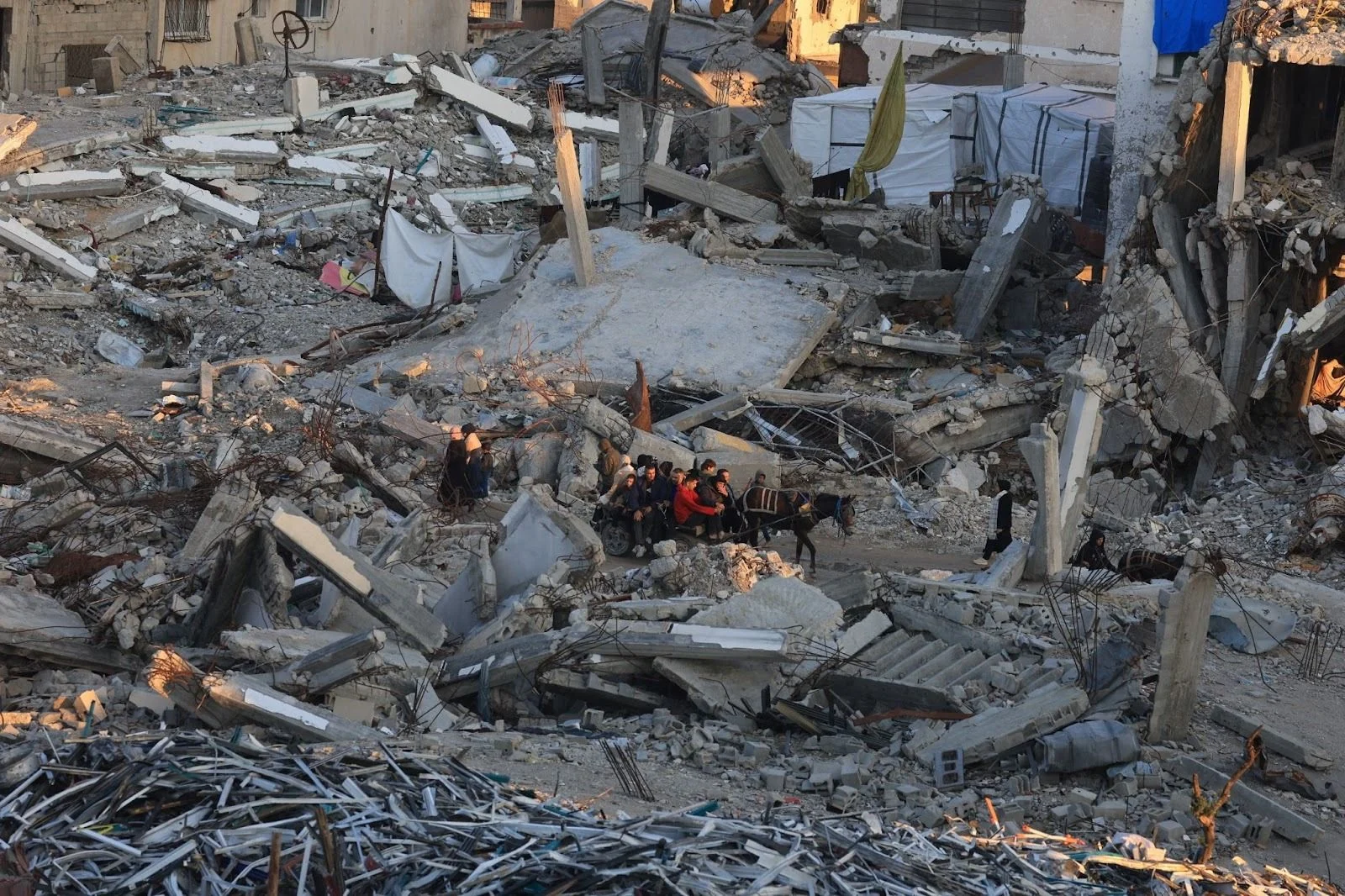
Countries will need to pay $1 billion for a permanent seat on U.S. President Donald Trump’s new “Board of Peace,” documents reveal. The international body, chaired by Trump, was designed to oversee Gaza’s reconstruction, with U.S. officials announcing the start of phase two of the territory’s peace plan.
However, the Board’s charter suggests it could have a broader global role, potentially creating overlap or conflict with the United Nations, which Trump has frequently criticized.
The proposal has already sparked concern from Israel, which questioned the committee’s composition. The Gaza-focused committee includes a Turkish minister but no Israeli officials, raising potential diplomatic tensions.
Critics warn that charging $1 billion per permanent seat could limit participation to wealthier nations, potentially undermining the Board’s legitimacy. Supporters argue that the funding would provide essential resources for peace-building and reconstruction in Gaza and other regions.
Trump’s initiative comes amid ongoing debates about U.S. involvement in global peacekeeping and reconstruction projects. The Board of Peace appears to merge diplomatic oversight with financial contributions, setting a new precedent for international governance structures led by a single nation.
Some analysts have suggested that the structure and funding requirements could lead to friction with established multilateral organizations. While the Board aims to support post-conflict recovery, questions remain about its authority, representation, and relationship with regional stakeholders.
The U.S. administration has not clarified whether countries can participate without buying permanent seats or what influence temporary members would have. The lack of transparency has drawn criticism from diplomats and policy experts concerned about equitable decision-making and inclusivity.
Trump has positioned the Board of Peace as a high-profile initiative to expand U.S. influence in global reconstruction efforts. By placing financial contributions at the center of permanent membership, the Board reflects a model where funding equates to influence.
The plan’s rollout will be closely watched by the international community, particularly in the Middle East, where tensions over Gaza’s governance, reconstruction, and political representation remain sensitive. Israel, in particular, is likely to monitor developments carefully, given its strategic interests in the region.
The Board of Peace initiative signals an ambitious U.S. approach to international diplomacy, linking leadership, funding, and oversight under a single administration. Critics, however, remain concerned about fairness, global buy-in, and potential conflicts with existing organizations such as the UN.