

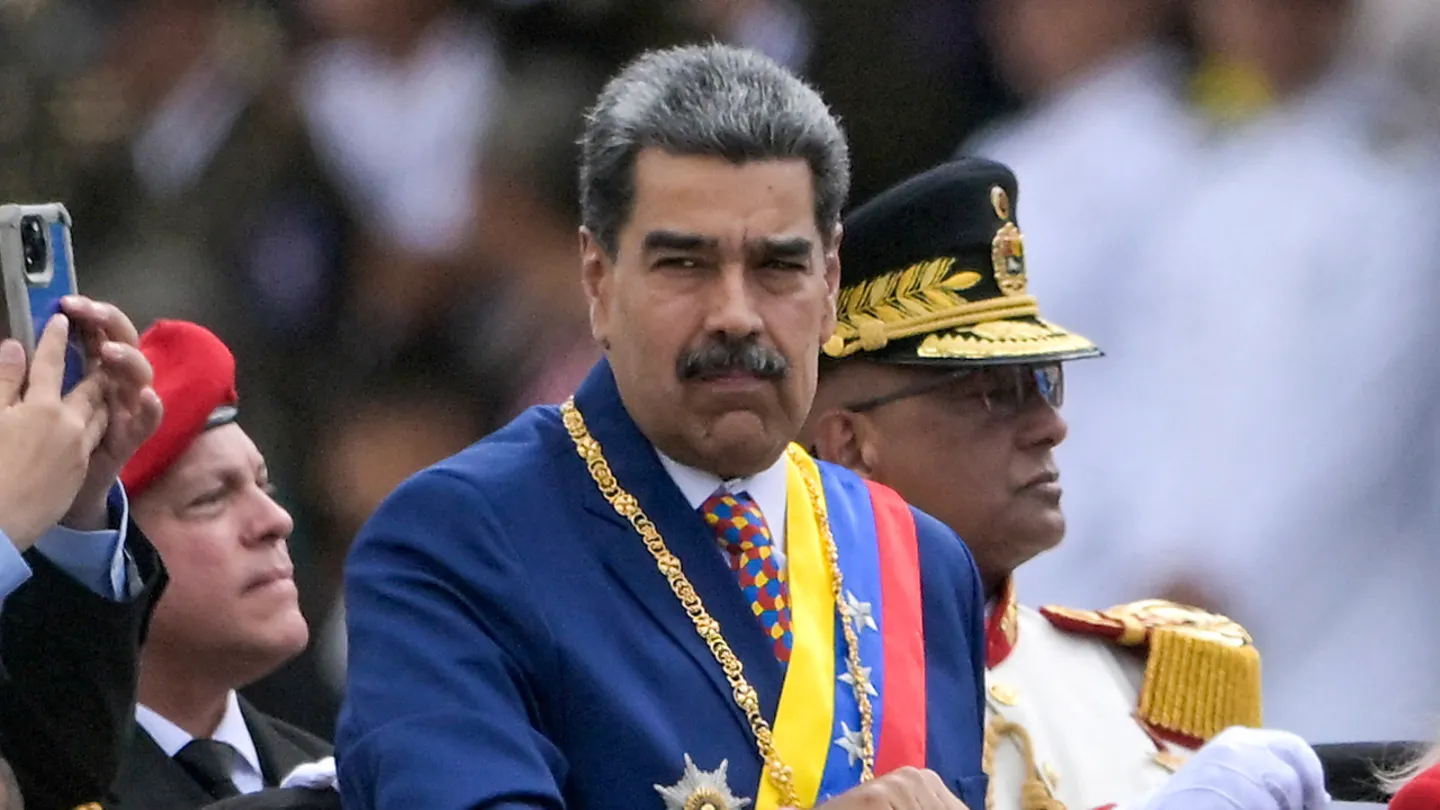
Venezuela faces rising tensions as President Nicolás Maduro arms millions of citizens and prepares militias while the Trump administration reportedly plans military strikes against the country.
Analysts say Maduro is training over three million Venezuelans to resist foreign intervention. In a strategy reminiscent of Saddam Hussein’s Fedayeen forces before the 2003 Iraq war, Maduro is organizing and preparing his militias in advance, though on a much larger scale. The Venezuelan president has also sought support from Russia, China, and Iran to strengthen the country’s weak defense system.
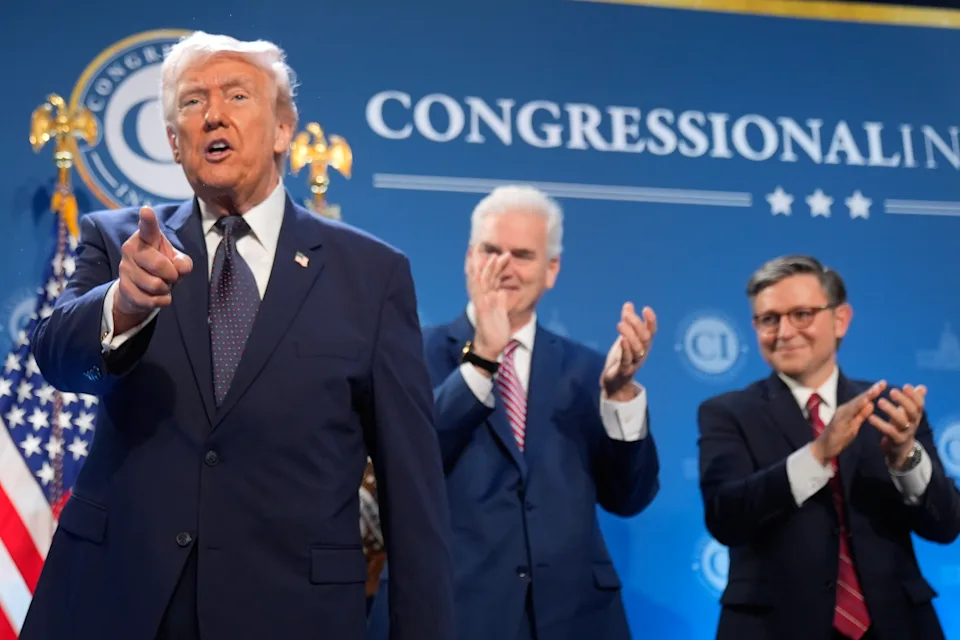
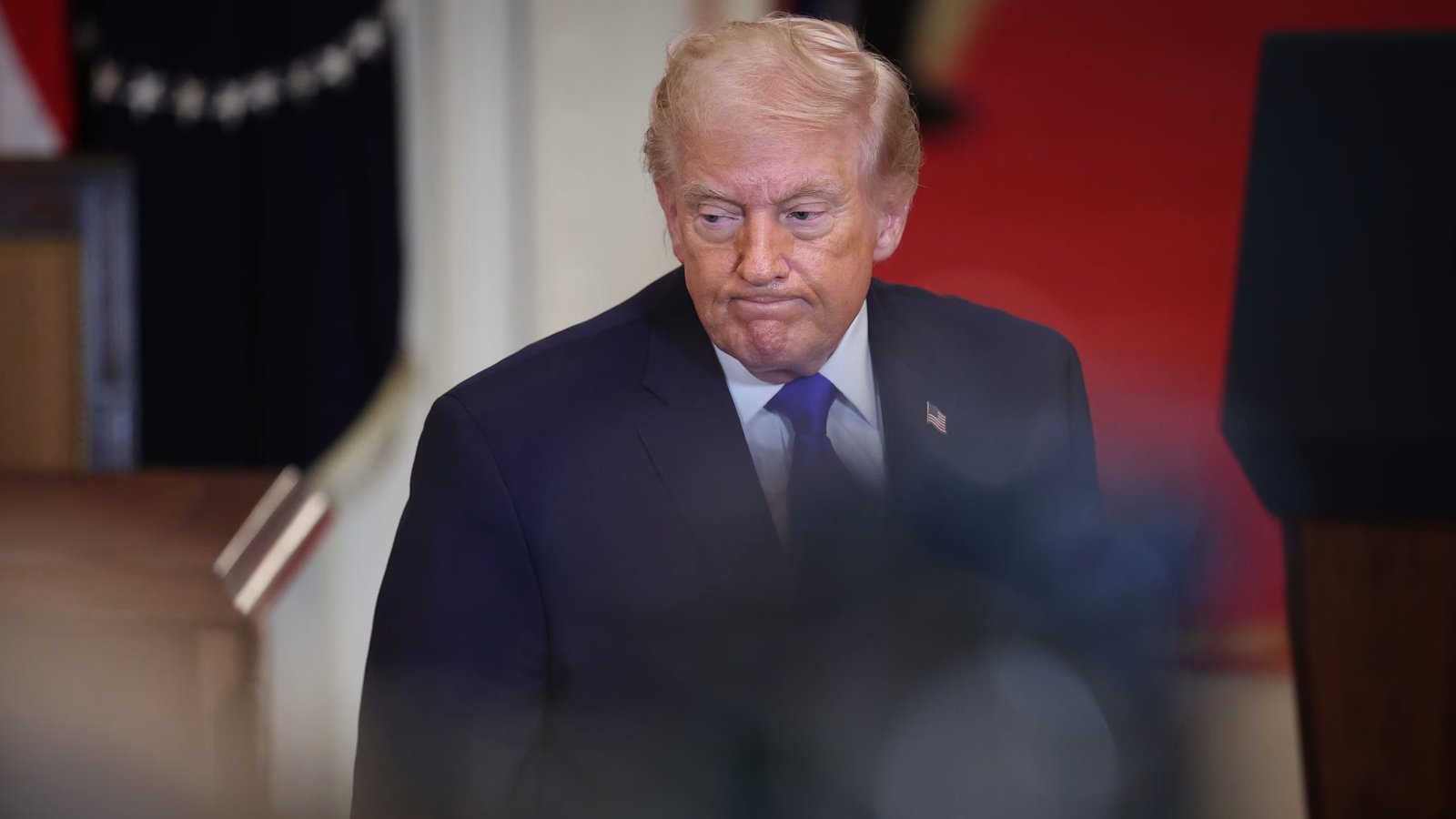
Meanwhile, U.S. media reports claim the Trump administration has decided to target Venezuelan military facilities linked to the drug cartel Cartel de los Soles. U.S. Secretary of State Marco Rubio alleges that Maduro himself is involved with the cartel.
The Pentagon has deployed eight warships, a nuclear submarine, and 10,000 troops in the Caribbean. In recent weeks, U.S. forces destroyed nine speedboats suspected of drug trafficking from Venezuela. These measures indicate Washington is preparing for imminent action, possibly within days or hours.
Maduro is actively mobilizing support from international allies. Documents reviewed by U.S. media show he has requested assistance in radar systems, fighter jet maintenance, and missile supplies from Russia. A senior aide reportedly delivered a letter to Russian President Vladimir Putin during a recent Moscow visit. Maduro has also sent a letter to Chinese President Xi Jinping.
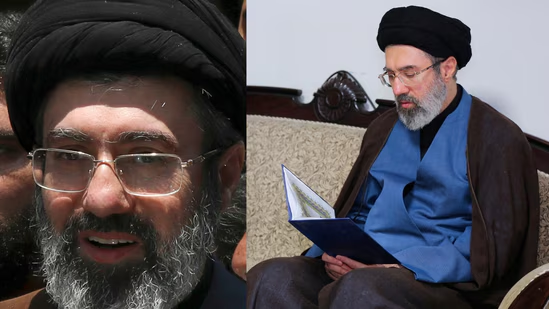
In addition, a shipment of military equipment and drones recently arrived from Iran, further reinforcing Venezuela’s defenses. Maduro’s moves aim to counter the increased U.S. military presence in the Caribbean and safeguard the country from potential intervention.
The situation has heightened concerns across the region, as Venezuela faces a possible military confrontation while tens of thousands of citizens remain vulnerable amid growing instability. Experts warn that the escalating Venezuela US tensions could have wider geopolitical implications for Latin America and global security.