
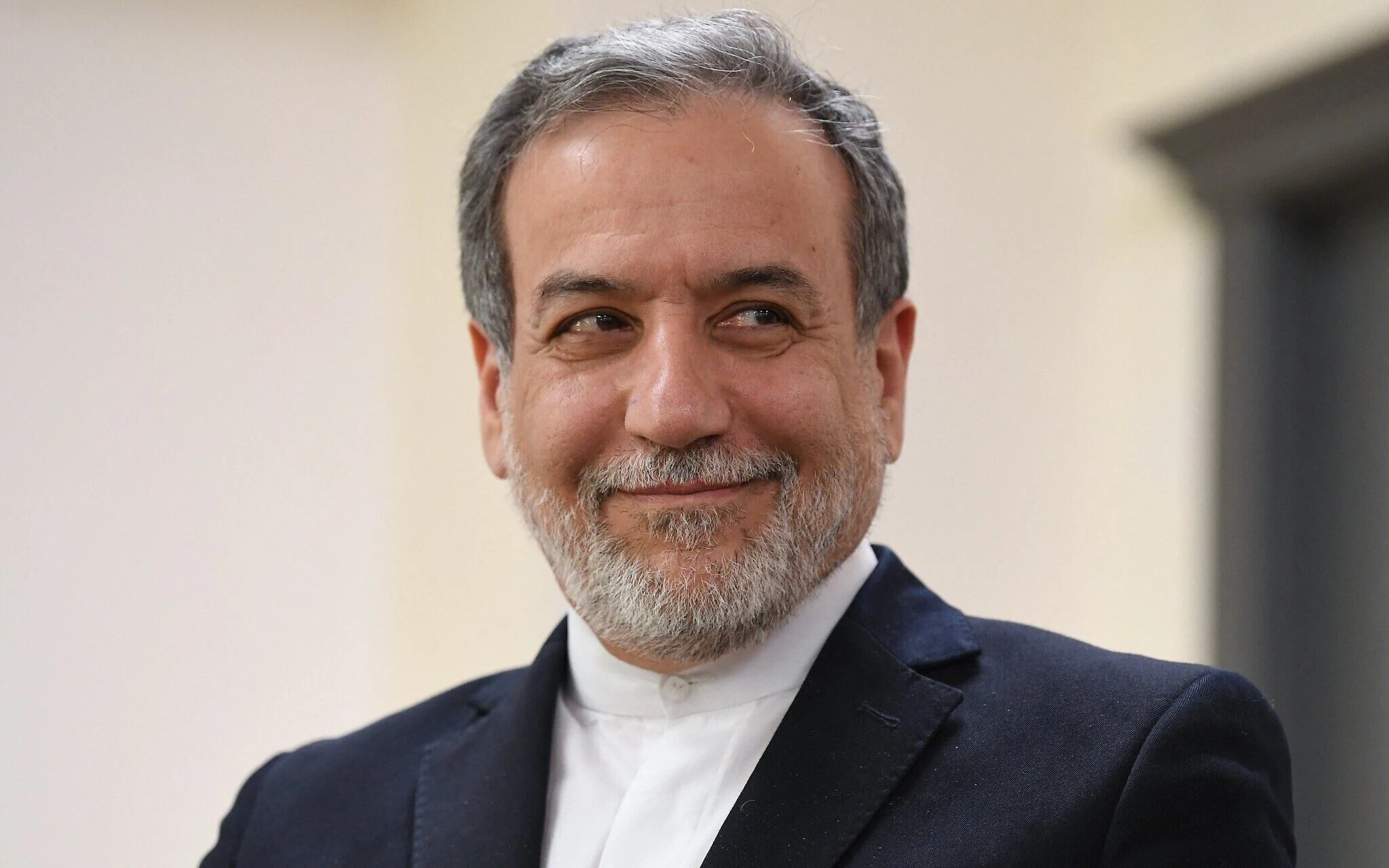
Abbas Araghchi has become one of the most recognizable figures shaping Iran’s foreign policy. As Iran’s foreign minister, he now represents Tehran in some of the most sensitive diplomatic discussions in the world.
According to Daljoog News analysis, Araghchi’s path to power reflects a unique blend of battlefield experience, academic training, and years of diplomatic negotiations. These elements have helped him earn deep trust from Iran’s political leadership.
His leadership role comes at a critical moment for Iran. The country faces complex challenges ranging from regional tensions to nuclear negotiations and international sanctions, making Araghchi’s diplomatic strategy increasingly important.
What Happened?
Abbas Araghchi was appointed Iran’s foreign minister on August 21, 2024, by President Masoud Pezeshkian. The appointment placed him at the center of Tehran’s global diplomatic efforts during a period of heightened geopolitical tension.
Araghchi was born on December 4, 1962, in Tehran. His family roots trace back to the historic Iranian city of Isfahan, where his family maintained a long tradition in the carpet trade. Both his father and grandfather were involved in the business.
His life changed significantly when his father died while he was still a teenager. At the same time, Iran was undergoing a major political transformation following the 1979 Islamic Revolution.
As a young man, Araghchi joined the Islamic Revolutionary Guard Corps. He spent nearly a decade serving in the force and participated in the Iran-Iraq War during the 1980s. That conflict remains one of the most defining events in modern Iranian history.
The experience exposed him to the realities of conflict and national security. Later in life, those lessons influenced his approach to diplomacy and international negotiations.
After leaving military service, Araghchi turned toward higher education. He eventually earned a doctorate in political science from a university in the United Kingdom. His academic work helped shape his understanding of international relations and diplomacy.
Why This Matters
Araghchi’s career reflects a larger trend within Iran’s leadership structure, where officials often move between military, academic, and diplomatic roles.
His global recognition increased significantly during negotiations surrounding Iran’s nuclear program. He served as one of Tehran’s leading negotiators in the 2015 Joint Comprehensive Plan of Action, the landmark nuclear agreement between Iran and several world powers.
The deal aimed to limit parts of Iran’s nuclear program in exchange for relief from economic sanctions. Although the agreement later faced political challenges, Araghchi’s role in the negotiations placed him firmly on the international diplomatic map.
Today, as the foreign minister, he bears responsibility for defending Iran’s policies in a complex international environment. Issues such as sanctions, regional conflicts, and nuclear diplomacy all fall within his portfolio.
His decisions and diplomatic style, therefore, influence how Iran communicates with the rest of the world.
What Analysts or Officials Are Saying
Diplomatic observers often describe Araghchi as a calculated and disciplined negotiator. His background allows him to understand both the strategic concerns of Iran’s security institutions and the technical complexities of international diplomacy.
Before becoming foreign minister, he built a long career within Iran’s diplomatic service.
Araghchi served as Iran’s ambassador to Finland and later to Japan. These assignments allowed him to manage relations with both European and Asian governments while gaining experience in bilateral diplomacy.
He later became Iran’s deputy foreign minister for legal and international affairs. In that position, he handled negotiations involving international agreements, legal frameworks, and diplomatic coordination with global organizations.
These roles strengthened his reputation inside Iran’s government and made him a logical choice for the country’s top diplomatic position.
Daljoog News Analysis
Abbas Araghchi represents a generation of Iranian officials shaped by revolution, war, and decades of geopolitical tension.
His career path highlights a transition from military service to international diplomacy. That shift reflects Iran’s efforts to balance hard power with negotiation and political strategy.
His experience in the Iran-Iraq War likely gave him a deep understanding of national security concerns. Meanwhile, his academic training and diplomatic work prepared him to operate within complex international institutions.
For Iran’s leadership, this combination makes him a valuable envoy capable of navigating global political pressure while protecting Tehran’s strategic interests.
However, the environment he faces is increasingly difficult.
Sanctions remain a major economic challenge for Iran. At the same time, tensions with Western governments and regional rivals continue to shape the country’s diplomatic agenda.
Araghchi must therefore maintain a delicate balance between defending national priorities and keeping diplomatic channels open.
What Happens Next
Several developments will determine how influential Araghchi becomes in shaping Iran’s future foreign policy.
The future of nuclear negotiations remains one of the most important issues. Any attempt to revive or replace previous agreements will likely require intense diplomatic engagement.
Regional tensions also remain a constant concern. Conflicts and political rivalries across the Middle East continue to influence Iran’s strategic decisions.
In the coming years, Araghchi will likely remain at the center of these diplomatic efforts. His ability to navigate complex international relationships may play a major role in determining how Iran positions itself on the global stage.