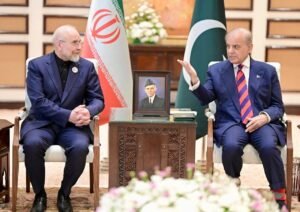
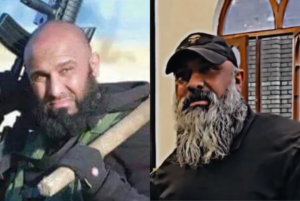

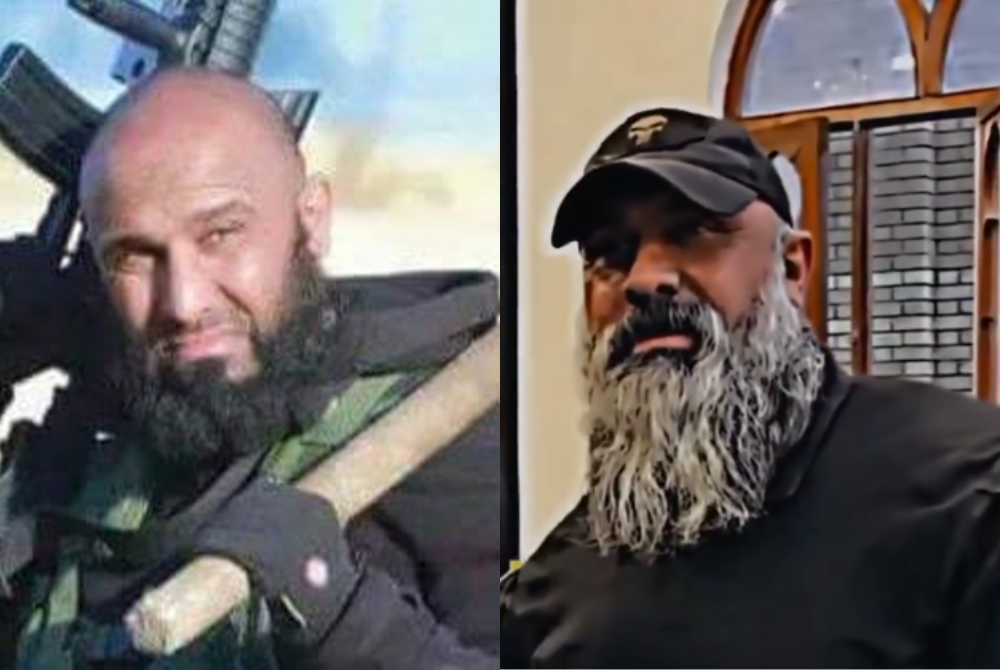
Abu Azrael Tehran rumors: social media claims suggesting the Iraqi militia commander known as “Angel of Death” has arrived in Tehran have gone viral amid heightened Middle East tensions.
According to Daljoog News analysis, the Abu Azrael Tehran rumors highlight how quickly unverified battlefield narratives and symbolic figures can shape public perception during periods of regional instability, especially in an already volatile Iran-Israel-US environment.
The Abu Azrael Tehran rumors have circulated alongside escalating conflict rhetoric in the Middle East, where ongoing strikes, political warnings, and diplomatic uncertainty continue to fuel speculation across online platforms.
What Happened?
The Abu Azrael Tehran rumors began spreading on social media, where users claimed that the Iraqi militia figure known as Abu Azrael had appeared in Iran’s capital, allegedly seen alongside military personnel and local supporters.
Viral posts and video clips circulated widely, showing an individual resembling the commander interacting with people and posing for photographs. However, no verified official confirmation has been provided by Iranian authorities or independent international media outlets regarding his presence in Tehran.
Abu Azrael, widely known by his battlefield nickname “Angel of Death,” is a well-known Iraqi militia commander associated with anti-ISIS operations. His real identity is commonly reported as Ayoub Faleh Hassan al-Rubaie, a figure who gained prominence during the Iraq conflict against ISIS.
The Abu Azrael Tehran rumors gained traction at a time when tensions in the region remain high, particularly involving Iran, Israel, and the United States, creating fertile ground for misinformation and symbolic wartime narratives.
Why This Matters
The Abu Azrael Tehran rumors matter less for their verified accuracy and more for what they reveal about the information environment during geopolitical crises.
Figures like Abu Azrael have become symbolic in regional conflicts, often portrayed as fearsome anti-terror commanders. As a result, even unverified sightings can trigger strong emotional and political reactions online.
In conflict zones such as the Middle East, viral claims often spread faster than official clarifications, influencing public sentiment and sometimes even shaping early diplomatic or security perceptions.
This also highlights how social media has become a parallel battleground, where reputation, symbolism, and psychological messaging can be as impactful as physical events.
What Analysts or Officials Are Saying
Security analysts note that the Abu Azrael Tehran rumors fit a broader pattern of misinformation and exaggerated battlefield narratives circulating during periods of heightened Iran-related tensions.
Experts emphasize that while Abu Azrael is a real and widely documented militia figure, claims about his current location or operational role require official verification before being treated as fact.
Regional observers also point out that such viral stories often emerge during moments of diplomatic uncertainty, when military activity and political messaging overlap across multiple fronts.
So far, no credible government or military source has confirmed the presence of Abu Azrael in Tehran, and officials have not issued any statement addressing the circulating claims.
Daljoog News Analysis
The Abu Azrael Tehran rumors demonstrate how modern conflicts are increasingly shaped by perception warfare as much as real-world developments.
In today’s digital environment, symbolic figures tied to past wars can re-emerge in viral narratives that serve emotional or psychological purposes, even without factual grounding. This makes verification increasingly difficult during fast-moving geopolitical events.
The timing of these rumors—amid ongoing Iran-Israel-US tensions—suggests how quickly online speculation can merge with real security fears, amplifying uncertainty in an already fragile regional climate.
Ultimately, whether or not the claims are true, their rapid spread shows how information ecosystems now play a central role in shaping conflict narratives across the Middle East.
What Happens Next
In the coming days, attention will likely focus on whether any official confirmation emerges regarding the Abu Azrael Tehran rumors.
If verified, such a development could have symbolic implications for regional political messaging, particularly in relation to Iran’s internal and external security posture. If unverified, the story will likely fade into the broader cycle of wartime misinformation.
Observers expect continued monitoring of social media narratives as tensions remain high across the Middle East, where even unconfirmed claims can quickly influence public discourse.