

A citizen has publicly refused to leave a dangerous area, calling instead for active resistance, even as family and friends urged them to seek safety immediately. Their stance has drawn attention on social media and sparked wider debate.
According to Daljoog News analysis, this position reflects more than personal bravery. It embodies the tension between civic duty, moral responsibility, and self-preservation during moments of crisis.
The timing is critical. As instability and insecurity grow, this act highlights how some individuals prioritize principle and human values over immediate safety, signaling a broader social mindset emerging under pressure.
What Happened?
The individual stated that despite repeated warnings from relatives and friends to move to a safer location, they chose to stay. Their reasoning is rooted in a sense of personal responsibility and accountability. They believe that failing to act now would leave them with lifelong regret.
Once a vocal critic of the government and its policies, the person now finds themselves taking a direct stance in opposition to actions they consider inhumane. They have openly requested arms to defend themselves if necessary.
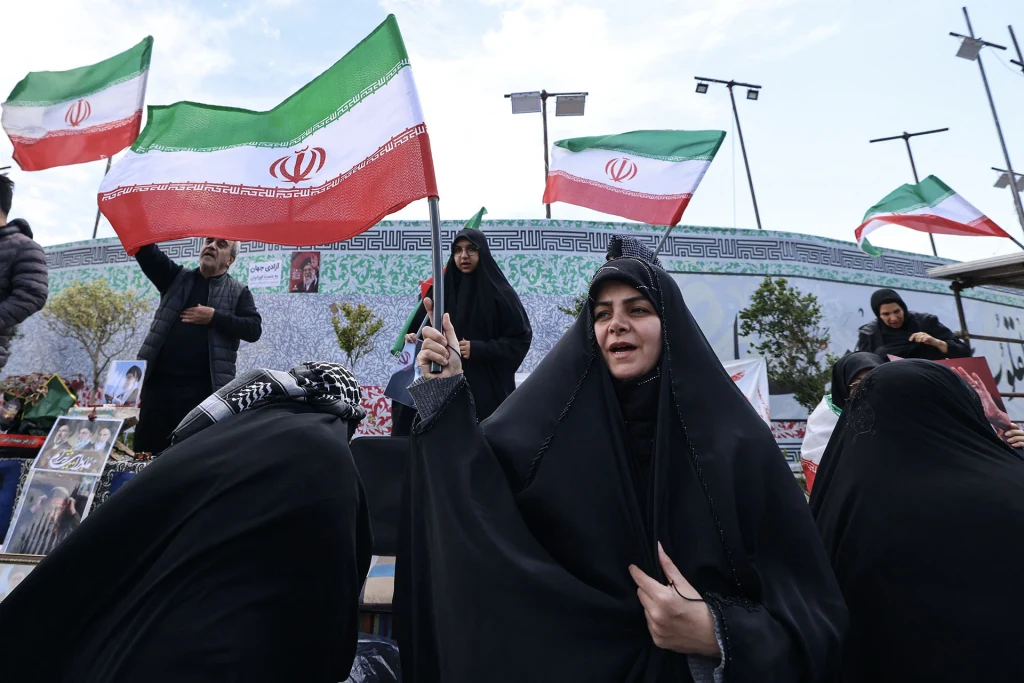
They also emphasized that women are equally capable in this struggle. If permitted, women could stand at checkpoints and participate in defense, demonstrating that gender does not determine courage or capacity in times of crisis.
Why This Matters
This situation illustrates the complex role of citizens during crises. The decision to resist rather than retreat underscores the tension between personal safety and collective responsibility.
It also reflects societal values and norms. When individuals prioritize ethical or moral duty over self-preservation, it can influence broader community behavior and the dynamics of conflict.
Highlighting women’s participation is particularly significant. It challenges traditional gender assumptions and sends a clear message that everyone has a role to play, regardless of gender, in responding to critical situations.
What Analysts or Officials Are Saying
Analysts note that such declarations are becoming more visible in areas experiencing prolonged instability. They signal a growing mindset where some people view active engagement as a moral obligation rather than a choice.
Experts suggest that this kind of stance could inspire others to take action, potentially increasing civic involvement in defense or humanitarian efforts. At the same time, it carries inherent risks, as it may escalate tensions and lead to further danger.
The emphasis on women’s participation has drawn positive attention as well. Observers see it as an important social signal that promotes equality and expands the understanding of who can contribute in crises.
Daljoog News Analysis
This statement is more than an emotional appeal; it represents a deeper conflict between safety and moral responsibility. It illustrates how, in some communities, citizens may feel compelled to take action despite personal risk.
Such choices demonstrate the intensity of current conditions, yet they also raise questions about sustainability. How these acts of resistance affect long-term societal stability remains uncertain.
Encouraging women to participate is a powerful social message. It reinforces equality and underscores that collective responsibility in crisis transcends gender roles.
What Happens Next
The outcomes of this stance are still uncertain. It may inspire wider civic engagement or trigger increased tensions in the area.
In the coming days, observers will watch whether these calls for resistance translate into organized action and how local communities respond.
Women’s participation may gain greater visibility, becoming a key point of discussion in future social and political conversations, potentially influencing both policy and community dynamics.