
Cuba is grappling with severe electricity shortages, widespread food scarcity, and rising economic uncertainty. Once celebrated for its healthcare and education systems, the Caribbean island now faces daily hardships for its citizens.
According to Daljoog News analysis, the root of the crisis lies in decades-long U.S. economic sanctions, compounded by outdated infrastructure and dependence on imported fuel. Efforts to ease restrictions under the Obama administration offered brief hope, but those gains were reversed during the Trump presidency.
The crisis has intensified in recent years due to strained relations with Venezuela, a key energy partner, leaving Cuba struggling to meet basic needs and maintain essential services.
What Happened?
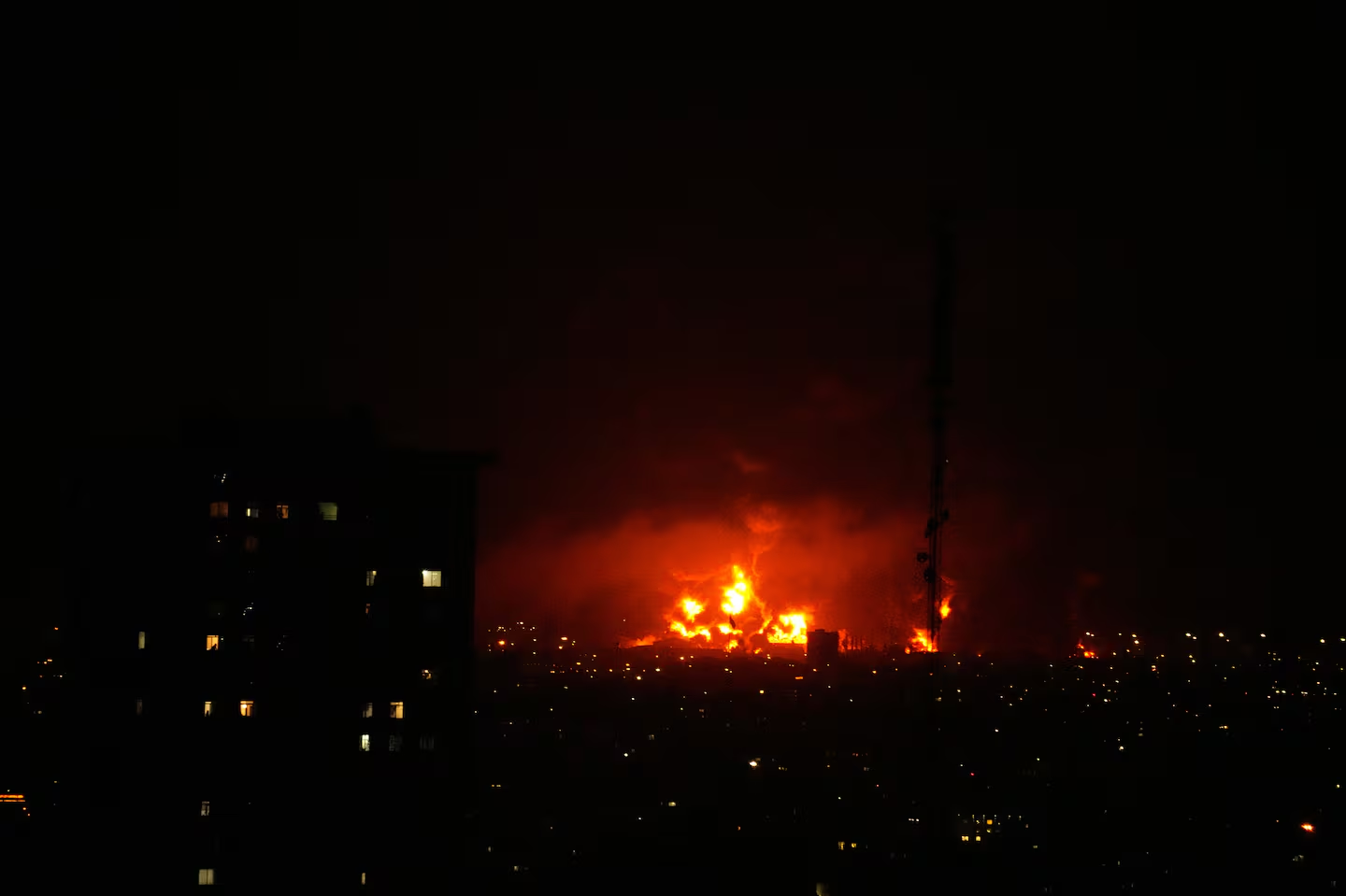
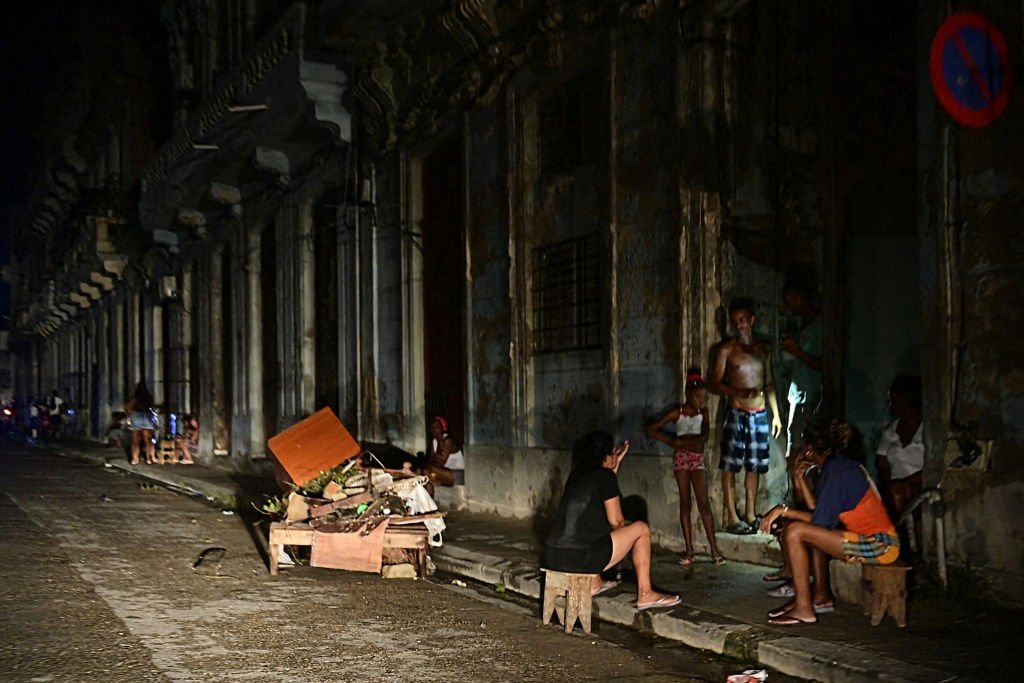
Cuba’s nationwide electricity supply has become highly erratic. Government reports indicate that power outages last eight to twelve hours daily in many regions, including the capital, Havana. Hospitals depend on generators, but ongoing shortages have forced the postponement of surgeries and disrupted vaccine storage.
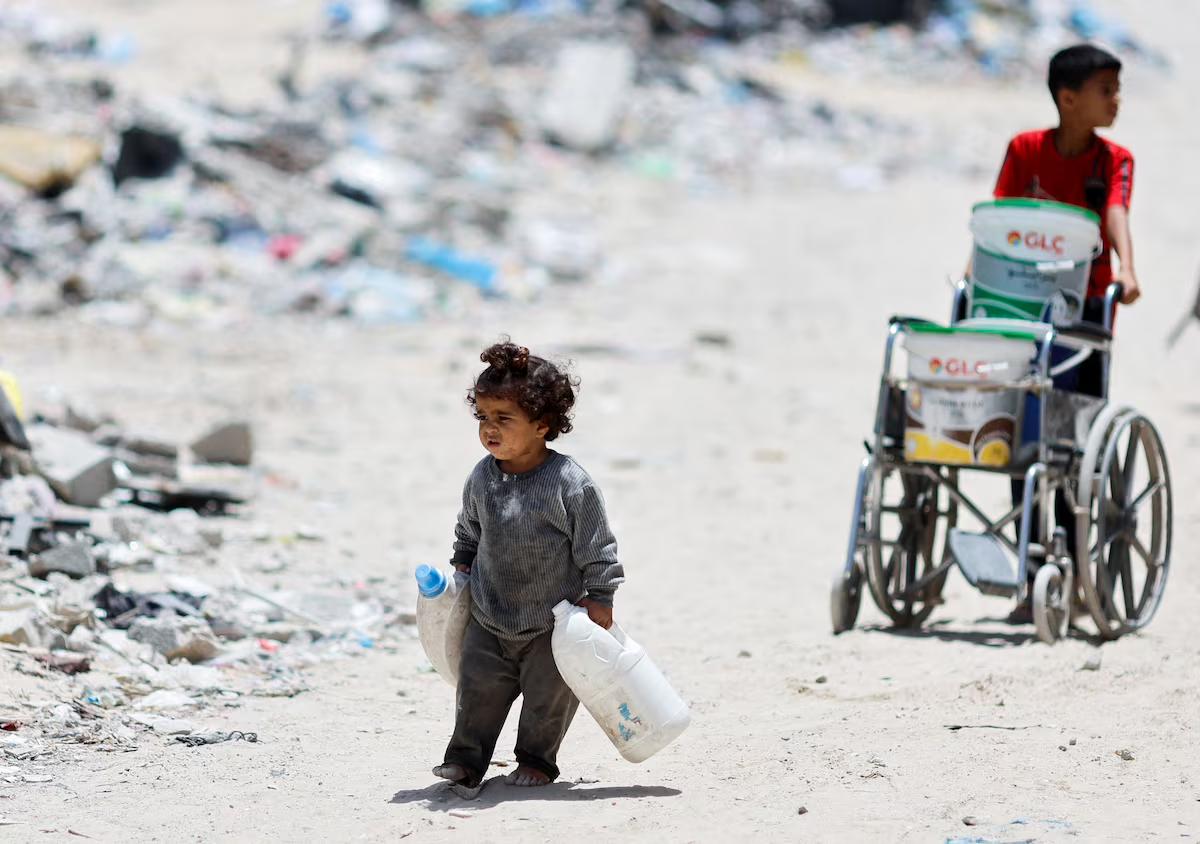
The lack of electricity also hampers food preservation. Refrigeration failures have worsened shortages, while factories and production facilities operate at reduced capacity. Citizens spend hours waiting in long queues for necessities such as water and food. Public transportation, including buses, trucks, and ambulances, faces operational difficulties due to fuel scarcity. Rural residents struggle to travel to urban centers, while city dwellers confront unemployment and limited mobility.
The Cuban government attributes the crisis to U.S. sanctions that restrict access to fuel, spare parts, and essential technology. Analysts, however, also cite long-term structural weaknesses, including aging power plants, a shortage of foreign currency, and a fragile economy heavily dependent on imports.
Why This Matters
The situation in Cuba highlights the human cost of prolonged economic sanctions. The lack of electricity, fuel, and food affects millions, impacting daily life, healthcare, and economic productivity. For example, hospitals cannot reliably operate medical equipment, and vaccine preservation is compromised, posing public health risks.
For the international community, the crisis is a warning about the broader effects of sanctions on vulnerable populations. United Nations officials have repeatedly urged the U.S. to ease restrictions, but little progress has been made. Rising fuel prices globally further exacerbate the island’s energy challenges.
What Analysts or Officials Are Saying
Experts note that while U.S. sanctions play a central role, Cuba’s infrastructure and currency shortages amplify the crisis. The aging electrical grid, limited access to foreign technology, and dependency on imported fuel create vulnerabilities that sanctions intensify.
Cuban officials insist that sanctions are the primary cause, arguing that the restrictions not only cripple the economy but also directly affect citizens’ quality of life. International observers agree that while internal inefficiencies matter, external pressures are decisive in the current hardship.
Daljoog News Analysis
Daljoog News analysis suggests that Cuba’s crisis represents a convergence of political, economic, and structural challenges. While sanctions are often discussed in geopolitical terms, their tangible effects—extended blackouts, halted production, and food scarcity—hit ordinary citizens hardest.
The situation underscores a broader question: to what extent should economic sanctions be applied when they directly endanger civilian livelihoods? In Cuba, the consequences are immediate and visible, revealing a gap between political strategy and humanitarian impact.
What Happens Next
Unless there is a significant policy change, Cuba is likely to face continued energy shortages and food insecurity. International calls for easing sanctions may increase, but progress depends on U.S. political decisions and global diplomatic pressure.
Meanwhile, Cuban citizens will continue to navigate daily hardships, with limited access to electricity, basic services, and fuel. Observers will be monitoring whether internal reforms or international assistance can mitigate the crisis, but the path to relief remains uncertain.