


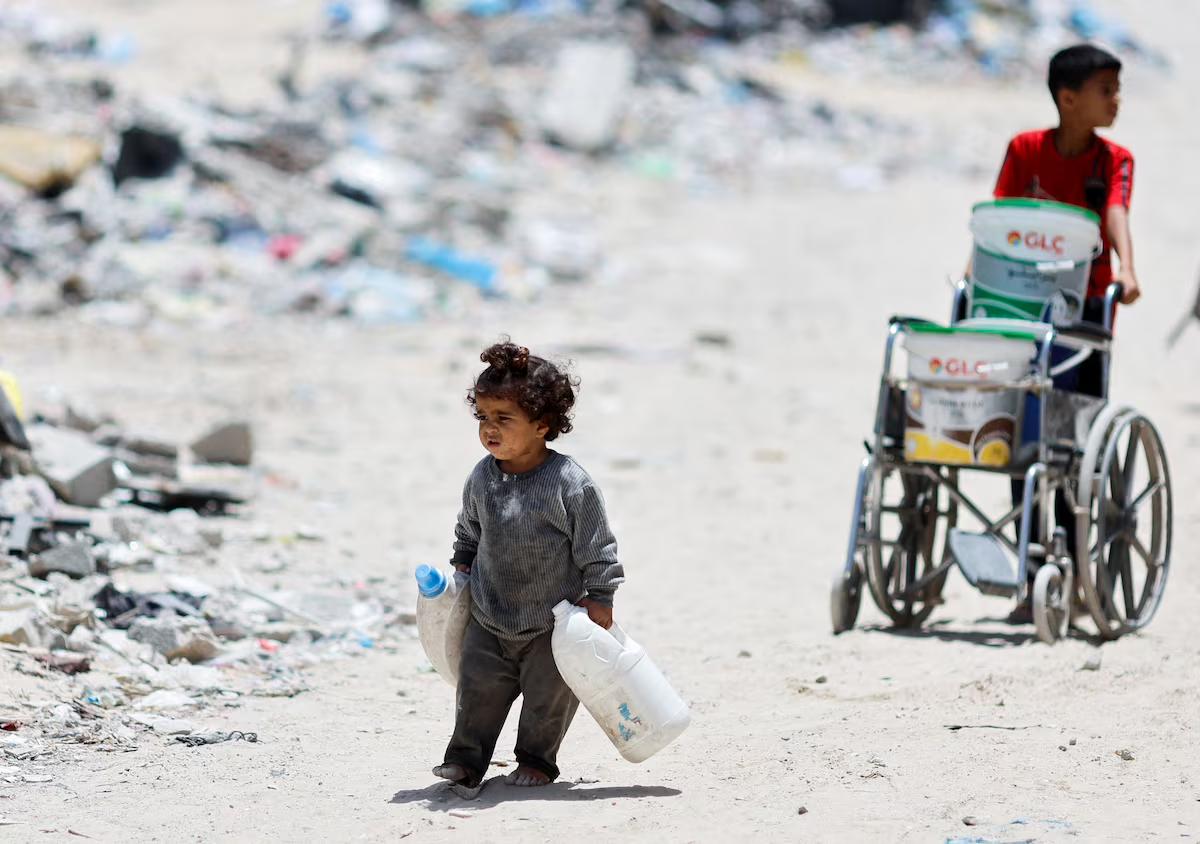
A viral video from Gaza shows a young child walking alone through rubble and sand, carrying large water containers for a thirsty family. The child wears tattered clothing and moves determinedly amid destruction.
According to Daljoog News analysis, this footage reflects a larger humanitarian crisis where children are forced into adult responsibilities simply to secure basic survival needs.
The scene underlines the stark contrast between childhood as it should be and the harsh reality in Gaza, where war has consumed normal life and made even water a dangerous quest.
What Happened?
The footage, widely shared on social media, captures a small child navigating debris-strewn streets in Gaza to fetch water for a family. The child appears exhausted yet resolute, highlighting the dire circumstances civilians face in the blockaded territory.
This child is among thousands forced to leave the relative safety of their homes to meet basic needs, including water, under constant threat of bombardment and environmental hazards.
The video’s stark imagery—rubble, dust clouds, and destroyed buildings—contrasts sharply with the child’s singular focus on survival. It offers a human face to statistics that often dominate news reports on Gaza.
Why This Matters
The video sheds light on the acute vulnerability of Gaza’s youngest residents. Children, who should be focused on school and play, are instead bearing the burdens of adult survival.
Lack of access to clean water is one of the region’s most pressing crises, worsened by ongoing conflict, infrastructure damage, and blockades. This scarcity directly threatens health, nutrition, and safety.
Beyond immediate survival, these conditions have long-term consequences for mental and physical development. Every trip to collect water exposes children to trauma and injury, reinforcing a cycle of vulnerability and hardship.
What Analysts or Officials Are Saying
Humanitarian organizations emphasize that the situation is unsustainable. Experts note that water scarcity combined with conflict intensifies risks for children and families, creating a humanitarian emergency.
Some analysts stress that international aid, infrastructure repair, and safe access corridors are critical to prevent worsening crises. Without such interventions, the daily struggle for survival will continue to claim the attention and energy of Gaza’s youngest population.
Officials and advocacy groups also point to the psychological toll, highlighting that exposure to destruction at such an early age can have lasting consequences.
Daljoog News Analysis
The video exemplifies how war transforms ordinary responsibilities into life-threatening tasks for children. It serves as a poignant reminder that civilian suffering often goes unseen, even as media coverage documents broader geopolitical developments.
Daljoog News analysis suggests that each image of a child risking life for water should inform global understanding of the conflict’s human toll. Beyond statistics, these moments reveal resilience and vulnerability in equal measure.
The footage also reinforces the urgency for humanitarian access and international engagement to address basic needs before prolonged deprivation leads to irreversible consequences.
What Happens Next
Immediate priorities include ensuring safe water delivery and protecting children from exposure to conflict zones. International agencies may need to expand emergency operations and coordinate with local authorities to minimize risks.
Long-term solutions require infrastructure repair, access guarantees, and sustained international support to prevent repeated crises.
Meanwhile, public attention to such viral videos can pressure policymakers and aid organizations to act, highlighting the role of awareness in driving relief efforts.
While the path to stability remains uncertain, the child’s journey captured in the video underscores the human cost of conflict and the need for urgent intervention.