


Israel faces escalating attacks as Iran and allied groups, including Hezbollah, launch multi-front strikes targeting key locations across the country.
According to Daljoog News analysis, the scale and coordination of these attacks reveal a deliberate strategy to pressure Israel while highlighting vulnerabilities in both civilian and industrial areas.
The assault comes amid growing regional instability, with the potential to impact not only local security but also broader Middle Eastern geopolitics and global markets sensitive to conflict in the region.
What Happened?
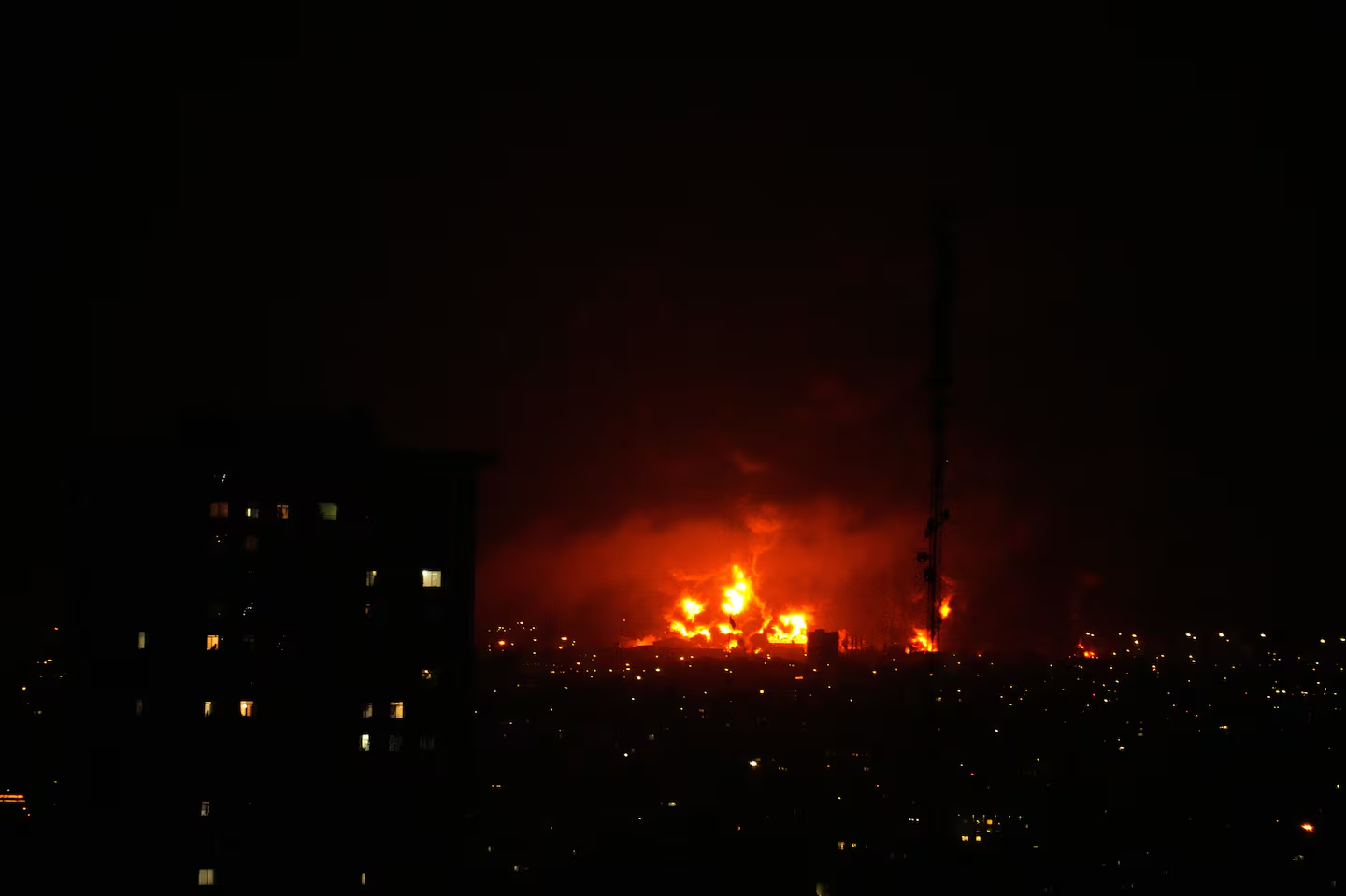
On Monday, Iran’s Islamic Revolutionary Guard Corps (IRGC) targeted a chemical facility in Israel, raising fears of toxic exposure. The factory, located in the industrial area near Be’er Sheva, about nine kilometers south of the city, caught fire during the attack. Local authorities evacuated residents as a precaution, though no immediate casualties were reported.
Simultaneously, multiple cities across Israel experienced drone and ballistic missile strikes launched by the IRGC. Northern Israel also faced rockets fired from Lebanon, attributed to Hezbollah involvement. Air raid sirens were activated in Jerusalem, central Israel, and areas bordering the Red Sea and northern regions.
Over the past 24 hours, at least five waves of ballistic missile strikes targeted Israel, intensifying after midday. In southern cities like Be’er Sheva, reports indicate at least 11 people were injured. Past attacks, including a strike on Saudi Arabia’s Prince Sultan Airbase last Friday, injured 12 US personnel and destroyed several refueling aircraft.
The IRGC has coordinated these attacks with Hezbollah, creating a joint operational front that has sent sirens across more than a hundred Israeli cities, forcing civilians to seek bunkers and safe shelters.
Why This Matters
These attacks underscore Israel’s growing exposure to asymmetric warfare, particularly targeting both industrial and civilian hubs. The assault on a chemical facility signals a risk of secondary hazards, including toxic chemical dispersal, potentially affecting public health and local infrastructure.
Israel’s defense forces are managing the immediate response, but repeated missile and drone attacks strain national security and emergency systems. The geographic spread, from northern border areas to the south, demonstrates the IRGC and Hezbollah’s operational reach and coordination.
Beyond immediate security concerns, these strikes could destabilize regional markets, affecting energy flows and investor confidence. They also highlight the potential for escalation between Iran, its allied militias, and Israeli forces.
What Analysts or Officials Are Saying
Security analysts note that the multi-front nature of the attacks indicates a strategic approach aimed at both physical and psychological pressure. Targeting industrial infrastructure like chemical factories is designed to amplify civilian anxiety and operational disruption.
Officials from Israel’s Israel Defense Forces confirm that while many rockets were intercepted or landed in open areas, some resulted in injuries and property damage. Analysts suggest that repeated waves of attacks could push Israel to expand defensive measures or escalate retaliatory operations.
Experts also warn that without a resolution, continued strikes could provoke wider regional conflict, involving neighboring countries and international forces.
Daljoog News Analysis
The coordinated attacks by Iran and its allies reflect a calculated escalation that tests Israel’s military readiness and civilian preparedness.
Daljoog News analysis highlights the dual challenge Israel faces: defending key infrastructure while safeguarding civilian populations. Industrial zones, particularly chemical facilities, remain highly vulnerable to missile strikes, illustrating that modern conflict increasingly targets economic and urban centers rather than purely military sites.
The IRGC and Hezbollah strategy appears to leverage psychological pressure as much as physical impact, forcing mass civilian mobilization, emergency responses, and potential disruption of economic activity.
While Israel maintains defensive capabilities, repeated strikes over multiple fronts could gradually erode public confidence and test the limits of emergency response systems. This scenario illustrates the broader regional tension, where asymmetric warfare blurs the line between military and civilian targets.
What Happens Next
Observers expect Israel to continue intercepting missile and drone attacks while evaluating potential countermeasures against both the IRGC and Hezbollah.
Heightened vigilance across northern, central, and southern regions will persist, especially around industrial and densely populated areas. Continued escalation could draw in additional regional actors, increasing the risk of broader conflict.
The next 48–72 hours are critical for monitoring civilian safety, potential infrastructure damage, and international responses. How Israel balances military retaliation with risk management will likely influence both immediate outcomes and longer-term regional stability.