

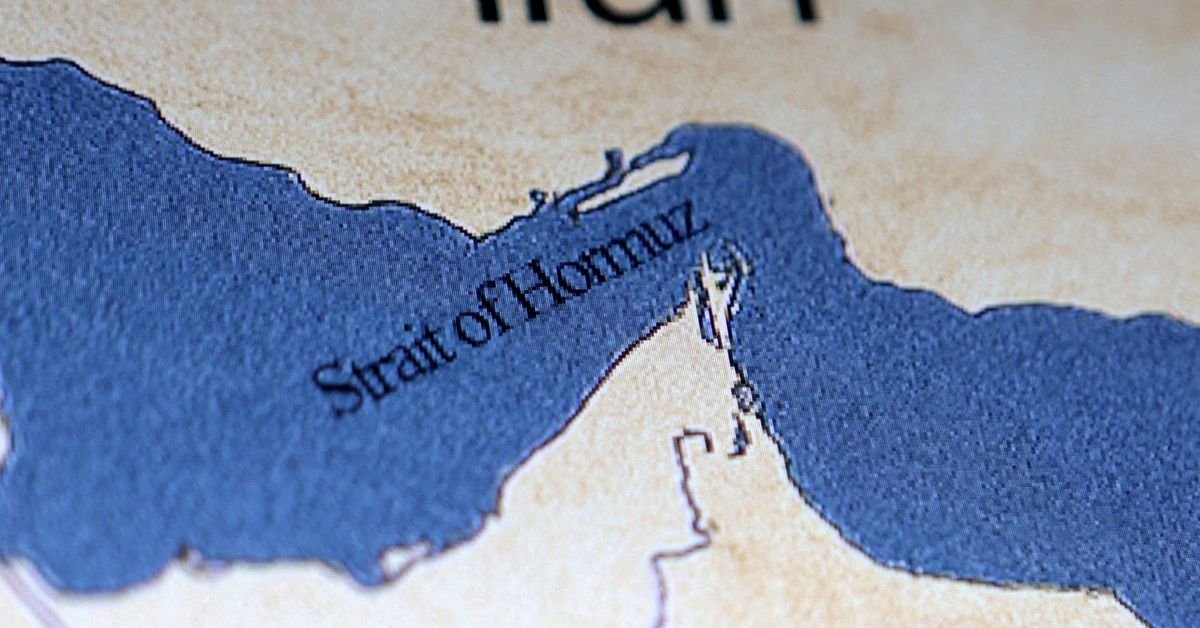
Iran has announced that vessels can safely transit the Strait of Hormuz over the next two weeks, signaling a potential easing of tensions in the strategically vital waterway. The announcement comes amid ongoing diplomatic efforts to maintain regional stability.
According to Daljoog News analysis, the statement reflects Tehran’s willingness to cooperate during the temporary truce brokered with the involvement of Pakistan and the United States, highlighting the interplay between diplomacy and military coordination in high-stakes maritime security.
The update is particularly significant as the Strait of Hormuz serves as a critical route for global oil shipments, and any disruptions could have immediate repercussions on international trade and energy markets.
What Happened?
Iranian Foreign Minister Abbas Araghchi confirmed that over the next two weeks, shipping through the Strait of Hormuz can continue safely. He emphasized that vessels must coordinate with Iran’s armed forces to ensure secure passage and that certain technical limitations must be observed to avoid incidents.
The announcement follows a truce declaration facilitated by Pakistan and the United States. Iran has agreed to suspend any preventive military operations as long as attacks against it are halted. The commitment to pause defensive action signals Tehran’s support for the truce and a willingness to reduce tensions in the Gulf.
Global markets, which had been jittery over the possibility of conflict disrupting one of the world’s most important maritime routes, showed signs of relief following the Iranian statement.
Why This Matters
The Strait of Hormuz is a vital artery for global energy supplies, with a significant portion of the world’s oil exports passing through it. Any conflict in this corridor could lead to sharp spikes in oil prices and disrupt international trade.
Iran’s assurance of safe navigation, even if temporary, provides relief to shipping companies, traders, and energy markets. It also reflects the importance of diplomatic channels and negotiated truces in averting broader regional crises.
The situation demonstrates how military posturing and diplomacy are intertwined in the Gulf region, with even short-term agreements influencing global economic stability.
What Analysts or Officials Are Saying
Regional analysts suggest that the two-week safe passage agreement indicates a pragmatic approach by Tehran, balancing military readiness with the need to avoid international escalation.
Diplomatic experts highlight the role of Pakistan and the United States as mediators, noting that their involvement has been crucial in securing temporary stability. Observers also caution that the arrangement relies heavily on adherence to coordination protocols with Iran’s armed forces.
Energy market analysts welcomed the announcement, pointing out that even a limited guarantee of safe passage can help stabilize oil prices and reassure global supply chains.
Daljoog News Analysis
Iran’s message underscores the continuing interplay between military power and diplomacy in the Gulf. While the truce is temporary, it demonstrates Tehran’s capacity to influence international trade dynamics and regional security through careful signaling.
The two-week safe passage also highlights the importance of multilateral mediation. Involving neutral parties like Pakistan has enabled both Iran and the United States to reduce immediate tensions while maintaining strategic positioning.
For international stakeholders, this development illustrates how short-term agreements can buy crucial time for negotiation and crisis management, even in high-stakes environments like the Strait of Hormuz.
What Happens Next
The coming two weeks will be critical in testing the truce’s durability. Coordination with Iran’s armed forces will remain essential for safe maritime navigation.
Diplomatic channels are expected to continue working on longer-term agreements to maintain stability in the Strait. Meanwhile, global markets will monitor developments closely, as any signs of renewed tension could impact oil prices and trade flows.