


Iran fired multiple drones toward Saudi Arabia and Kuwait early Tuesday, escalating a war in the Middle East that shows no signs of slowing.
According to Daljoog News analysis, these attacks highlight Tehran’s strategy of targeting critical Gulf States to pressure both regional governments and global energy markets, amid increasingly conflicting statements from U.S. leadership.
The strikes come as oil prices and U.S. markets fluctuate sharply, reflecting uncertainty over how long the conflict might last and the potential for further disruption to global energy supplies.
What Happened?
Saudi Arabia’s Defense Ministry confirmed it shot down two Iranian drones over the country’s oil-rich eastern region. In Kuwait, the National Guard intercepted six drones targeting the northern and southern parts of the country.
These attacks followed days of airstrikes and drone operations by Iran in response to ongoing U.S. and Israeli military actions in the region. Iranian state media highlighted remarks from Revolutionary Guard officials emphasizing that Tehran will determine the duration of the war.
The strikes have added to mounting casualties and infrastructure damage. In Iran, at least 1,230 people have died, while Lebanon reports 397 deaths and Israel 11, with seven U.S. service members also killed.
Why This Matters
The drone attacks directly threaten Gulf oil infrastructure, sending oil prices near $120 per barrel before fluctuating, the highest since 2022. Disruptions in the Strait of Hormuz, a key shipping lane carrying roughly a fifth of the world’s oil, are driving global energy uncertainty.
Markets reacted violently on Monday, swinging from steep losses to gains as investors weighed the possibility of a short-term conflict versus a prolonged escalation. U.S. energy supply chains, international shipping, and regional security are all at heightened risk.
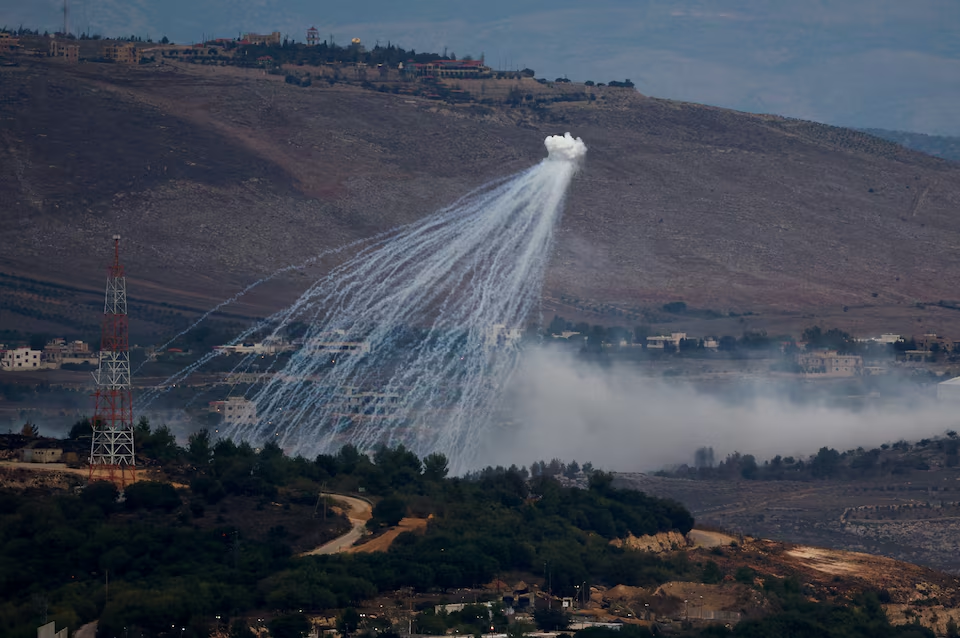
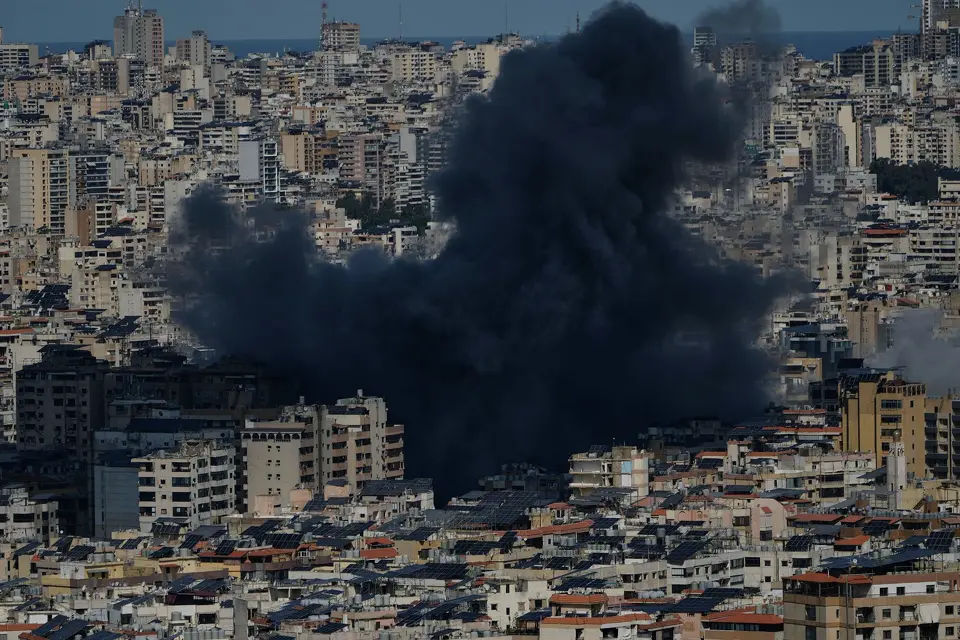
The strikes also increase civilian vulnerability. Bombs and missiles have targeted military bases, government buildings, hotels, and at least one school, forcing evacuations and displacing residents across affected regions.
What Analysts or Officials Are Saying
U.S. President Donald Trump has offered mixed signals on the war’s duration, describing it both as a likely “short excursion” and warning that any disruption to oil flow in the Strait of Hormuz would prompt a forceful U.S. response “twenty times harder than so far.”
Iranian officials, including Supreme Leader adviser Kamal Kharazi, stated that Tehran is prepared for a long war unless economic and diplomatic pressure compels other nations to intervene. Analysts warn that such rhetoric increases the potential for further escalation and prolongs uncertainty in global markets.
Daljoog News Analysis
The drone strikes demonstrate Iran’s tactical use of asymmetric warfare to influence Gulf security and global energy dynamics. By targeting Saudi and Kuwaiti infrastructure, Tehran signals both military capability and political resolve.
The mixed messaging from Washington adds to volatility. U.S. investors and energy markets must now weigh potential supply disruptions against the unpredictable trajectory of the conflict. Regional stability hangs in the balance, and collateral impacts on civilians continue to rise.
What Happens Next
Gulf States are expected to maintain heightened air defense readiness as further drone or missile attacks are likely. The U.S. may increase military support for Saudi Arabia and Kuwait, while Iran could expand strikes or target additional shipping lanes.
Global energy markets will continue to react to disruptions and the uncertainty surrounding the war’s duration. Tracking casualties, infrastructure damage, and diplomatic efforts will be critical as the situation unfolds. Updates and detailed coverage are available on the Daljoog News.