

Tensions in the Persian Gulf have escalated sharply as Iran’s Revolutionary Guard fully closed the Strait of Hormuz, turning the region into a flashpoint for a global energy crisis. Multiple ships attempting to pass through are being turned back, raising alarm among international trade and energy sectors.
According to Daljoog News analysis, the closure highlights the region’s extreme vulnerability: with no alternative routes, energy supplies from Gulf nations face unprecedented disruption, threatening markets worldwide.
The move comes amid ongoing conflicts in the region and coincides with rising global oil demand. With the Strait only 20 miles wide, the timing and scale of the blockade make this one of the most critical energy chokepoints in modern geopolitics.
What Happened?
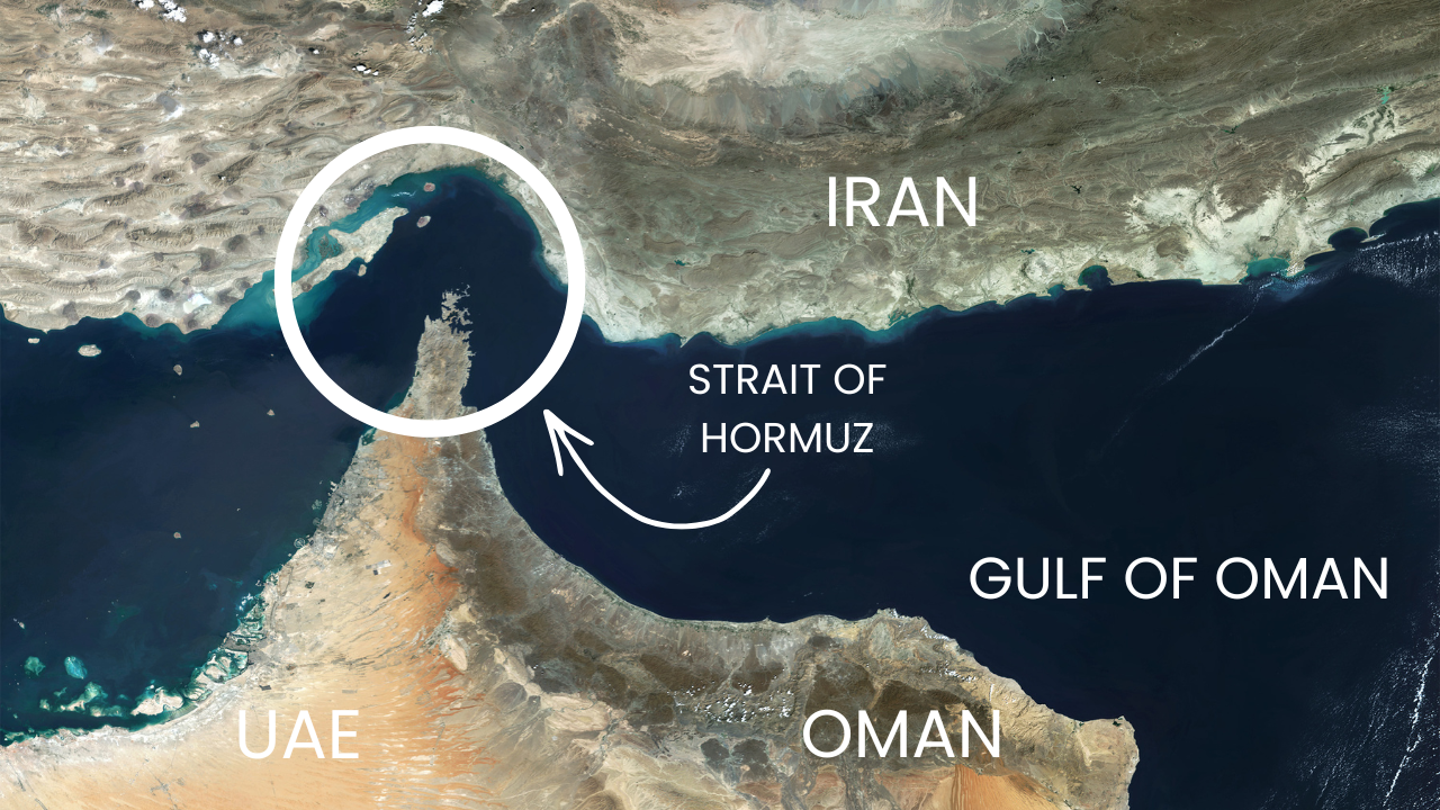
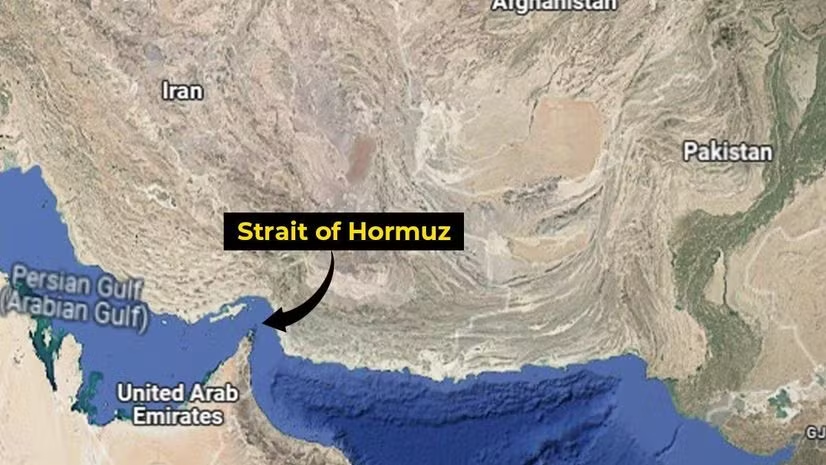
The Strait of Hormuz, which connects Oman and the United Arab Emirates, is a vital corridor for global energy shipments. Nearly all oil from the Gulf passes through this narrow passage. On Friday, Iran’s Revolutionary Guard explicitly warned that ships attempting transit would face strict consequences, effectively enforcing a blockade.
This action forces all vessels to halt or turn back, creating immediate logistical and economic headaches for both regional and global stakeholders. Analysts note that Iran lacks the naval capacity of Western powers, but its strategic use of coastal defenses, small warships, missiles, and drones gives it a significant deterrent against foreign vessels.
The blockade also comes with heightened risks. Any oil tanker or cargo ship trying to navigate the Strait could face direct targeting, escalating the potential for conflict in an already volatile area. Western nations and shipping companies must weigh operational risks against commercial imperatives.
Why This Matters
The Strait of Hormuz accounts for roughly one-fifth of global oil trade. A full closure sends shockwaves through energy markets, raising prices and threatening the stability of economies reliant on Gulf oil. Even short-term disruptions can ripple through supply chains, affecting transportation, manufacturing, and regional economic security.
For countries like France and other European states, which depend on uninterrupted Gulf oil shipments, the blockade poses both immediate and long-term strategic challenges. Beyond energy prices, nations risk recalibrating diplomatic ties and regional alliances to secure alternative supply routes.
This crisis also highlights the strategic importance of the Persian Gulf. Even minor incidents can have outsized global consequences due to the Strait’s geography: with Iran on one side and Oman and the UAE on the other, there is literally no alternative maritime path for these shipments.
What Analysts or Officials Are Saying
Military experts point out that Iran’s current strategy relies less on sheer firepower and more on tactical deterrence. Small vessels, coastal missile batteries, and drone deployments create asymmetric risks that can complicate Western naval responses. Analysts describe the combination of conventional and unconventional forces as a credible threat to shipping in the Strait.
Energy and trade analysts warn that even temporary closures can trigger price volatility, logistical bottlenecks, and insurance hikes for tanker operators. Officials in affected countries are reportedly exploring contingency plans, but alternatives to Hormuz remain extremely limited, forcing high-stakes diplomacy alongside military readiness.
Daljoog News Analysis
The closure of the Strait of Hormuz underscores a stark geopolitical reality: global energy flows remain highly concentrated in vulnerable regions. Iran’s ability to leverage this chokepoint demonstrates how regional actors can exert disproportionate influence on worldwide markets, even without matching Western military strength.
For shipping companies, this event emphasizes the need for strategic risk management, including insurance adjustments, alternate routing considerations, and diplomatic engagement. For global policymakers, it is a reminder that energy security is inseparable from geopolitical stability.
The situation also reflects a growing trend of energy as a tool of power projection. Nations controlling critical infrastructure—whether pipelines, straits, or ports—can disrupt global markets, forcing international stakeholders to navigate both political and economic pressures simultaneously.
What Happens Next
International attention will now focus on potential negotiations to reopen the Strait. Western powers may consider naval escorts or coordinated diplomatic pressure, while regional actors could leverage alliances to mitigate economic fallout.
Energy markets are expected to remain volatile, with crude prices likely to spike until a clear resolution emerges. Shipping firms may delay or reroute shipments, further complicating logistics for oil and gas exporters.
Long-term, this incident could accelerate the search for alternative energy sources or routes, including pipeline expansion, LNG shipments, and strategic reserves. Meanwhile, the Persian Gulf remains a high-stakes arena where military readiness, economic strategy, and diplomacy intersect under extreme pressure.