


Missile and drone exchanges between Iran and Israel have sharply intensified, with both sides reporting strikes on strategic locations across multiple regions. The confrontation is no longer confined to direct engagements and is now spreading across the wider Middle East.
According to Daljoog News analysis, the pattern of attacks shows a shift toward broader regional pressure, where allied groups and critical infrastructure are increasingly targeted to gain leverage.
This escalation comes at a sensitive moment for global trade and energy markets, especially as tensions disrupt movement through the Strait of Hormuz, a vital global shipping route.
What Happened?
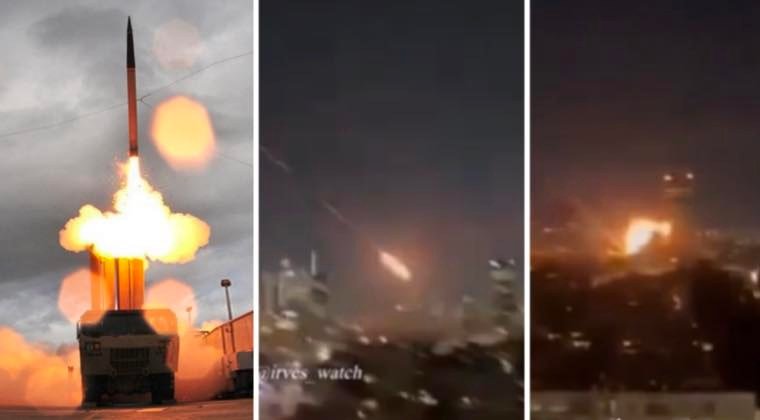
Iran claims its missiles penetrated Israeli defense systems and struck key sites, including Dimona and Haifa. Tehran has reported heavy damage, though independent verification remains limited.
At the same time, Hezbollah launched rocket attacks on northern Israeli towns such as Metula, Dafna, and Nahariya, opening an additional фронт along the Lebanon border.
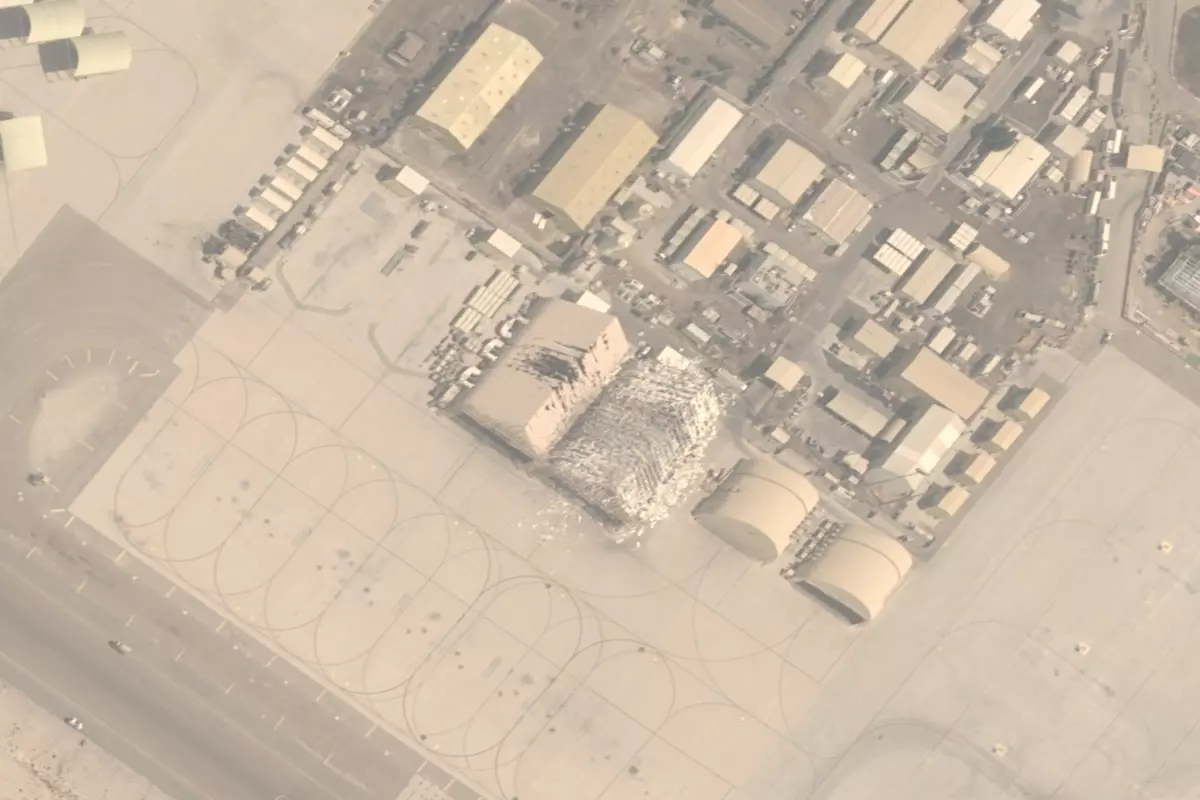
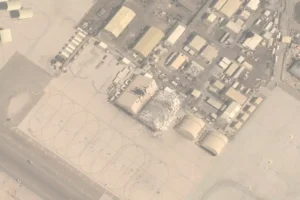
Iran has also expanded its response beyond Israel. A drone strike reportedly hit a fuel facility at Kuwait International Airport, causing a large fire. Explosions were also reported near Al Dhafra Air Base in the United Arab Emirates and around Dubai airport.
Iran’s Revolutionary Guard further claimed it downed a U.S. warplane near Chabahar. The United States rejected this claim and denied any such loss.
Israel responded with airstrikes targeting Iranian صنعتی areas, including facilities linked to drone and weapons production. U.S. Central Command confirmed it is continuing operations aimed at weakening Iran’s military capabilities.
Israeli military activity has also increased along the southern Lebanon border, where operations have intensified significantly.
Why This Matters
The situation now extends far beyond a bilateral conflict. It is evolving into a wider regional crisis with the potential to draw in multiple countries and armed groups.
One of the most immediate concerns is the disruption in the Strait of Hormuz. Reports indicate that around 2,000 ships and 20,000 sailors are stranded, creating a serious bottleneck in global trade flows.
This route is critical for the global oil and gas supply. Any prolonged blockage could drive up energy prices and trigger wider economic instability.
There are also growing humanitarian concerns. Crews stuck at sea for extended periods are facing food shortages and mental stress, adding pressure to an already volatile situation.
What Analysts or Officials Are Saying
Iranian officials have warned of alleged foreign-backed plans targeting their territory, signaling heightened alert levels and readiness for further escalation.
U.S. officials have indicated that military pressure will continue if Iran does not shift its position, while also suggesting that diplomatic options remain under consideration.
However, Iran’s foreign minister has denied that any direct negotiations with Washington are taking place. Tehran maintains that messages are being passed indirectly and insists that accountability and reconstruction commitments must come first.
Analysts note that both sides are maintaining hard public positions while possibly keeping limited indirect communication channels open. This mixed approach increases uncertainty and reduces the chances of quick de-escalation.
Daljoog News Analysis
This phase of the conflict shows a clear expansion in both scale and intent. What was once a largely indirect confrontation is now unfolding in more visible and coordinated ways.
The involvement of multiple مناطق and actors suggests a strategy aimed not only at military targets but also at disrupting economic and logistical systems. This significantly raises the overall risk level.
The pressure on global trade routes, especially the Strait of Hormuz, highlights how quickly regional tensions can affect the wider world. Energy markets and supply chains are now directly exposed.
There is also a visible gap between military actions and diplomatic messaging. While some signals point to possible talks, the intensity of strikes suggests that both sides are preparing for a longer confrontation.
Without a clear framework for de-escalation, the احتمال of miscalculation remains high, which could push the conflict into a more dangerous phase.
What Happens Next
Further strikes and counter-strikes are likely as both sides seek to strengthen their positions. Proxy groups may also increase their involvement, widening the scope of the conflict.
Disruptions in the Strait of Hormuz are expected to continue, prompting possible intervention from international maritime organizations to stabilize shipping.
Diplomatic efforts may proceed through intermediaries, but major progress appears unlikely in the near term unless there is a significant shift in strategy from either side.
The coming days will be critical in determining whether the conflict stabilizes or escalates into a broader regional conflict.