


In a striking display of cultural defiance, Iranian artist Ali Khamsari performed traditional music at the Damavand power plant, directly confronting US missile threats. The performance took place as the facility remained on a potential target list from Washington.
According to Daljoog News‘ analysis, Khamsari’s act symbolizes peaceful resistance, transforming a site of military tension into a stage for artistic expression and national resilience.
The viral video capturing the performance has ignited global discussion, highlighting how symbolic acts can resonate in international crises and challenge narratives of aggression.
What Happened?
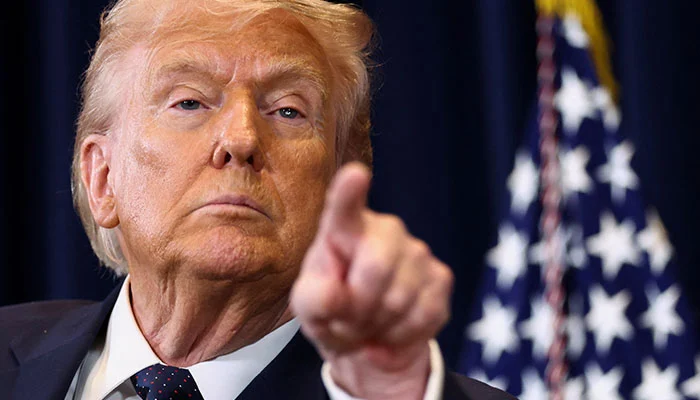
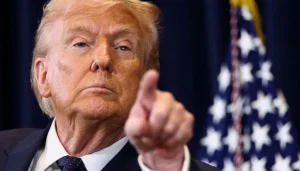
Amid warnings from US President Donald Trump targeting Iranian power plants and bridges, Khamsari stood at the forefront of the Damavand power plant, which featured prominently in American threat assessments. With no protective bunker or shield, he positioned himself on the ground with his traditional instrument, playing melodies meant to signify peace.
The timing was dramatic: Trump had set a countdown for potential strikes, yet Khamsari’s performance proceeded uninterrupted, attracting attention from citizens and international media alike. His intent was clear—art as a response to intimidation, a call for calm in the shadow of military threats.
Online footage shows Khamsari addressing viewers, noting that he was standing directly at the potential target site. He invited audiences to witness the act, expressing hope that no violence would occur and that music could deliver a message of harmony instead of conflict.
Why This Matters
The event underscores the role of symbolic resistance in geopolitics. By confronting threats through culture rather than force, Iran projects resilience and signals that intimidation alone cannot break national resolve.
For global observers, this performance is more than art—it is a statement on the intersection of civilian courage and international power dynamics. It demonstrates how nonviolent actions can carry weight in situations where military options dominate discourse.
The Damavand plant, critical for Iran’s energy infrastructure, represents a potential flashpoint. Khamsari’s act reframes this site, turning it into a platform for psychological and cultural resistance rather than merely a strategic target.
What Analysts or Officials Are Saying
Analysts note that such symbolic acts can shape public perception, both domestically and internationally. By converting a potential scene of destruction into one of music and unity, Iran sends a message that it will respond to threats creatively and peacefully.
Experts highlight that while the performance does not neutralize military risk, it bolsters national morale and communicates resolve without resorting to force. International observers emphasize that cultural diplomacy and symbolic gestures often complement formal diplomatic channels, especially in tense conflicts.
Social media reactions amplify the effect, with netizens describing Khamsari’s act as a testament to national courage, framing it as an emblem of resistance and dignity in the face of intimidation.
Daljoog News Analysis
Khamsari’s performance exemplifies the power of symbolic acts in modern geopolitical crises. While military threats can dominate headlines, cultural expressions offer an alternative narrative, one where courage and creativity intersect.
This incident also reflects broader dynamics in the Middle East, where psychological and symbolic gestures can influence perception, morale, and diplomacy. The performance reinforces the idea that soft resistance—through music, art, or public acts—can hold strategic significance alongside traditional defense measures.
What Happens Next
The viral video of Khamsari’s performance is likely to inspire similar acts across Iran and potentially the region, blending culture with resistance. International audiences will continue to monitor how symbolic acts influence diplomatic and security calculations.
In the short term, US-Iran tensions remain high, but the incident demonstrates that Iran can leverage unconventional responses, sending a message that threats may be met with resilience rather than retaliation.