

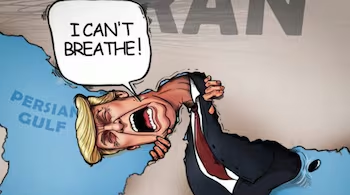
Iran has responded to strong threats from U.S. President Donald Trump not with military escalation, but with a wave of viral online mockery. State media outlets and official diplomatic channels have shared memes, edited videos, and satirical content targeting Trump and his administration.
According to Daljoog News analysis, the response reflects a calculated shift toward digital confrontation, where narrative control and public perception are as critical as traditional military strength.
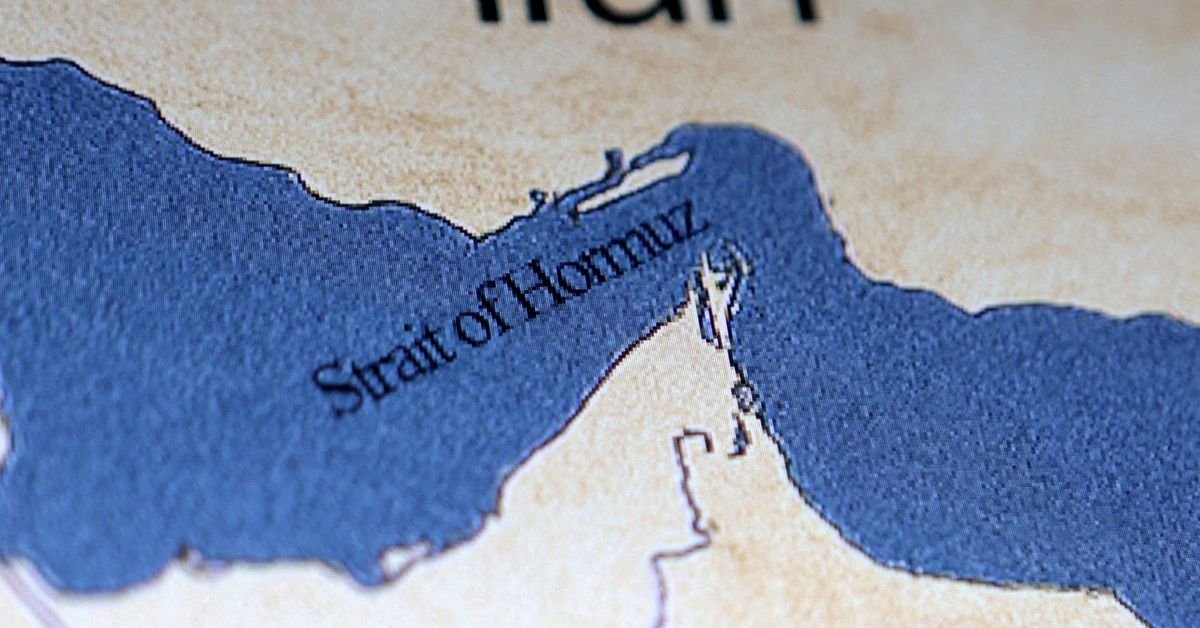
The developments come at a time of heightened tension over the Strait of Hormuz, a key global shipping route. As rhetoric intensifies, both sides appear to be engaging not only in strategic posturing but also in a broader information war.
What Happened?
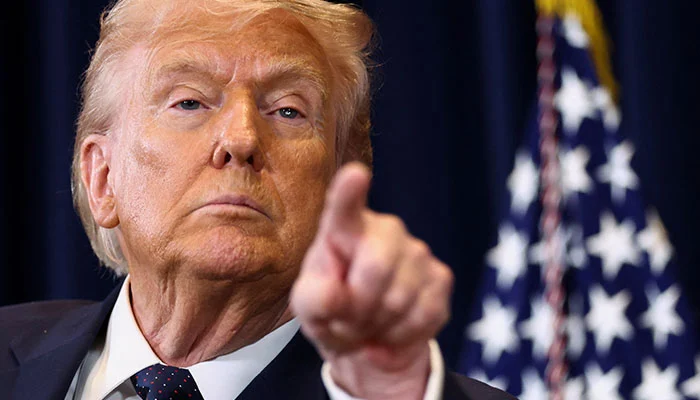
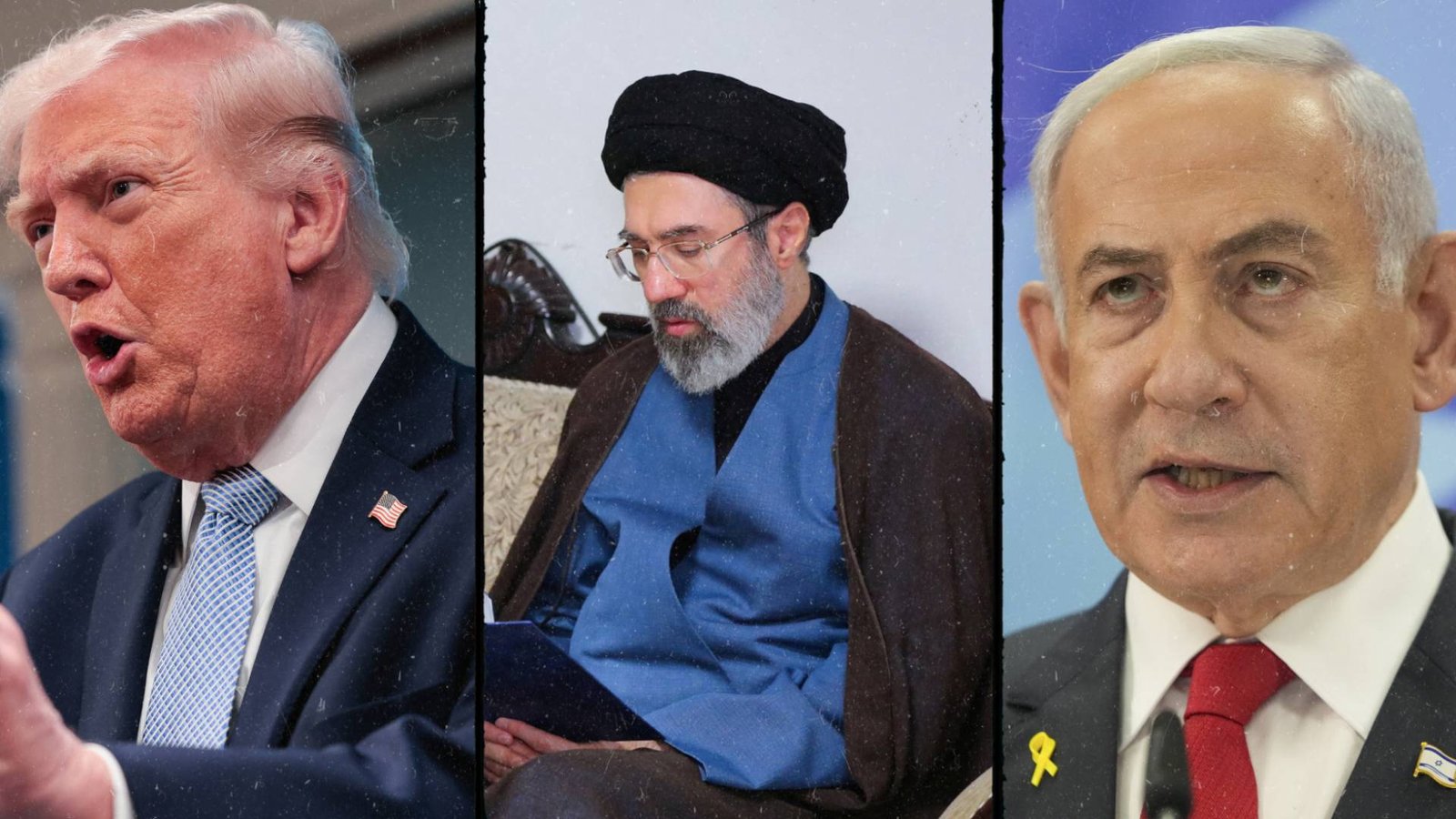
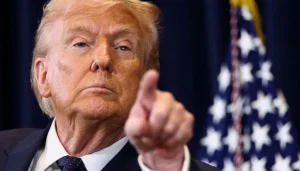
The latest exchange began after Donald Trump issued a warning on his social media platform, threatening severe consequences for Iran if it did not comply with demands related to the Strait of Hormuz. His remarks included strong language suggesting the country could face devastating retaliation.
Iran’s response was immediate but unconventional. Instead of matching the tone with official military statements, Iranian state media and affiliated groups began circulating humorous and critical content online.
These posts included edited videos combining music with footage of U.S. military operations, as well as AI-generated images portraying Trump in exaggerated or satirical scenarios. Iranian embassies in multiple countries amplified the content through their official social media accounts.
Diplomatic missions in the United Kingdom, South Africa, Zimbabwe, and Bulgaria were among those that engaged publicly. Some posts mocked Trump’s statements directly, while others used symbolic imagery related to the Strait of Hormuz to undermine the U.S. position.
The campaign quickly gained traction online, with many of the videos and images attracting large audiences and spreading rapidly across platforms.
Why This Matters
Iran’s approach highlights the increasing importance of digital platforms in modern geopolitical conflicts. Instead of relying solely on traditional diplomatic or military responses, states are now using online tools to shape narratives and influence global audiences.
The use of humor and satire serves multiple purposes. It allows Iran to challenge U.S. messaging without escalating tensions directly, while also appealing to younger, digitally active audiences worldwide.
This strategy may also help Iran position itself as a defensive actor in the conflict, framing U.S. threats as aggressive while presenting its own response as restrained and clever.
For global observers, the situation underscores how information warfare has become a central element of international relations. Public opinion, once shaped mainly by official statements and news coverage, is now heavily influenced by viral content.
What Analysts or Officials Are Saying
Analysts believe the campaign is a deliberate effort to weaken the credibility of U.S. messaging. By using humor and viral content, Iran can reach audiences that might not engage with traditional political communication.
Some experts argue that this tactic reflects a broader understanding of modern media dynamics. Short videos, memes, and AI-generated images can spread quickly and create lasting impressions, often more effectively than formal statements.
Officials in Western countries have largely avoided direct engagement with the content, focusing instead on maintaining diplomatic channels and monitoring the situation. However, the widespread circulation of the material has not gone unnoticed.
Observers also note that the involvement of official embassies adds a layer of legitimacy to the campaign, suggesting it is coordinated rather than spontaneous.
Daljoog News Analysis
Iran’s use of memes as a political tool marks a notable evolution in state-level communication. What might once have been dismissed as informal or trivial is now being deployed as part of a broader strategic effort.
The decision to respond to threats with satire rather than escalation indicates a calculated attempt to control the narrative without increasing the risk of confrontation. It allows Iran to challenge its adversary while avoiding immediate military consequences.
At the same time, this approach carries risks. Humor can be effective in shaping perception, but it may also be interpreted as dismissive or provocative. In a tense geopolitical environment, even indirect messaging can contribute to misunderstandings.
The situation also reflects a larger trend in global politics, where digital influence campaigns are becoming as important as traditional forms of power. Countries that can effectively use these tools may gain an advantage in shaping international opinion.
What Happens Next
The online exchange is likely to continue as tensions remain high. Both sides may increase their use of digital platforms to influence public perception and reinforce their positions.
Monitoring the Strait of Hormuz will remain critical, as any disruption could have significant global economic consequences. Diplomatic efforts may also intensify to prevent the situation from escalating further.
Analysts expect other countries to watch closely, as the use of memes and viral content in international disputes could set a precedent for future conflicts.
In the short term, the focus will remain on whether digital confrontation stays separate from military actions or becomes a stepping stone to more serious escalation.