


Iran has tabled a comprehensive 10-point proposal ahead of upcoming talks with the United States, signaling a high-stakes diplomatic maneuver in the Middle East. The plan covers security guarantees, sanctions relief, and control over strategic areas.
According to Daljoog News analysis, the Iran-US 10-point proposal reflects Tehran’s effort to reshape regional dynamics while testing Washington’s willingness to make concessions after weeks of military tensions.
The proposal arrives as both sides navigate a fragile ceasefire. The timing could influence broader geopolitical calculations, including U.S. presence in the region, nuclear program oversight, and alliances across the Middle East.
What Happened?
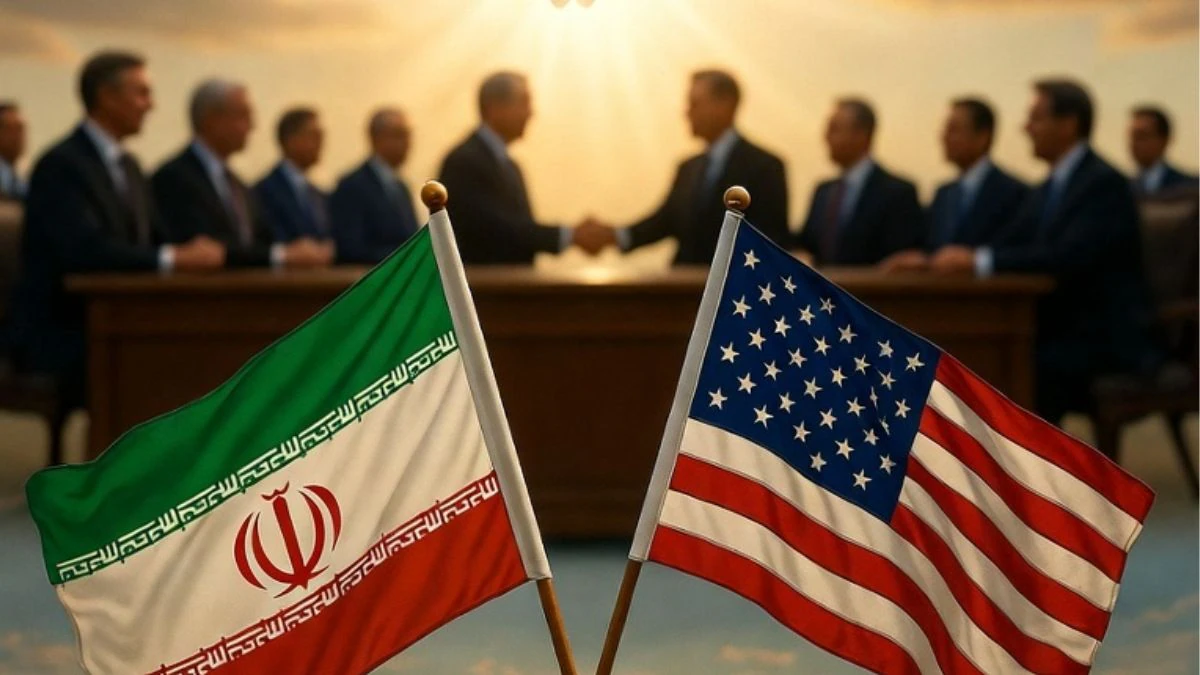
Iran’s National Security Council confirmed that talks with the U.S. will begin on April 10 in Islamabad, Pakistan. The Iran-US 10-point proposal outlines conditions Tehran wants before fully committing to diplomacy.
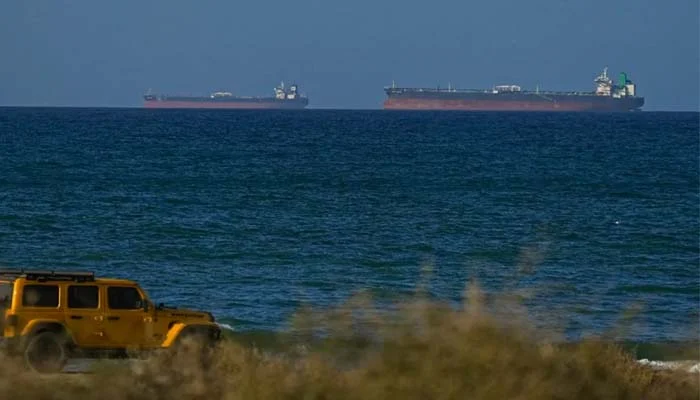
Key demands include assurances against attacks on Iran and its allies, maintaining Iranian control over the Strait of Hormuz, and the continuation of its nuclear enrichment programs without interference.
The proposal also calls for lifting all direct and indirect sanctions, repatriating Iranian assets frozen abroad, canceling all UN Security Council resolutions against Iran, and revoking recommendations from the International Atomic Energy Agency.
Additionally, Iran seeks compensation for past damages, the withdrawal of U.S. forces from the Middle East, and the establishment of ceasefire arrangements across all conflict fronts, including Lebanon. Tehran has requested that these terms be formally approved through a United Nations Security Council resolution.
Why This Matters
The Iran-US 10-point proposal marks a potential turning point in Middle Eastern diplomacy. If Washington agrees to even part of the plan, it could reshape power balances, influence U.S. military posture, and redefine the region’s nuclear oversight.
The proposal also signals Iran’s strategic intent to assert regional influence and secure international recognition for its military and nuclear activities. Such a comprehensive demand package tests U.S. flexibility while highlighting Tehran’s long-term objectives.
These negotiations could determine whether temporary ceasefires evolve into lasting stability or simply reset tensions for future conflict. The outcome may also affect Iran’s relations with its neighbors and key global powers.
What Analysts or Officials Are Saying
Experts note that while Iran has agreed to engage in talks, the Iran-US 10-point proposal shows deep mistrust toward Washington. Analysts see this as a calculated move to maximize leverage before discussions formally begin.
Officials have indicated the two-week ceasefire could be extended if both sides agree, signaling cautious optimism. Observers highlight that Tehran’s firm warning about “full-force” retaliation underscores the high stakes and potential volatility of the negotiations.
Some analysts suggest that the 10-point plan is as much a signal to regional and global actors as it is a framework for dialogue, emphasizing Iran’s insistence on international legitimacy and security assurances.
Daljoog News Analysis
The Iran-US 10-point proposal represents a bold diplomatic gamble. By combining security, economic, and political demands into one package, Tehran aims to secure maximum concessions while controlling the narrative in the Middle East.
This approach carries risks. Any perceived inflexibility from Washington could quickly destabilize the fragile ceasefire. Conversely, partial acceptance of the terms might empower Iran regionally, influencing U.S. and allied policy calculations for years.
Daljoog News observes that the proposal illustrates Tehran’s confidence in its regional leverage and strategic patience. The coming talks will test whether diplomacy can outpace long-standing distrust and entrenched geopolitical rivalries.
What Happens Next
Diplomatic teams from Iran and the U.S. are expected to convene in Islamabad starting April 10. The negotiations will focus on the Iran-US 10-point proposal, with both sides likely to negotiate terms, timelines, and verification mechanisms.
Attention will be on whether the ceasefire is maintained, whether sanctions are discussed, and whether regional security arrangements are addressed. The outcome could redefine U.S.-Iran relations, regional military deployments, and international oversight of nuclear activities.
Both parties have indicated flexibility in timing, but any misstep could provoke heightened tensions. Observers will closely watch for signs of compromise, concessions, or escalation as these high-stakes talks unfold.